
Cetyl Alcohol
A fatty alcohol that thickens and softens creams — moisturising, not drying, despite the scary-sounding "alcohol" name
INCICetyl Alcohol
- Category
- Emollient
- Risk level
- low
- Not a drying alcohol
- A fatty alcohol (like stearyl/cetearyl) — moisturising and waxy, the opposite of ethanol/alcohol denat.
- What it does
- Emulsifier, thickener, and emollient in a large share of creams and conditioners
- Comedogenicity
- Rated ~2/5 — low-to-moderate; may contribute to breakouts in some acne-prone users
- Reaction type
- Usually mild irritation if anything; true contact allergy is uncommon
Look for these names on ingredient lists
This ingredient may appear under any of these names:
Commonly found in
Possible reactions
- Mild redness or itch in rare cases (usually irritant, not allergic)
- Possible clogged pores in very acne-prone skin
- A heavy/greasy feel some dislike
- Contact allergy is uncommon
Top picks with Cetyl Alcohol
Highly rated products that feature Cetyl Alcohol in their ingredient list.
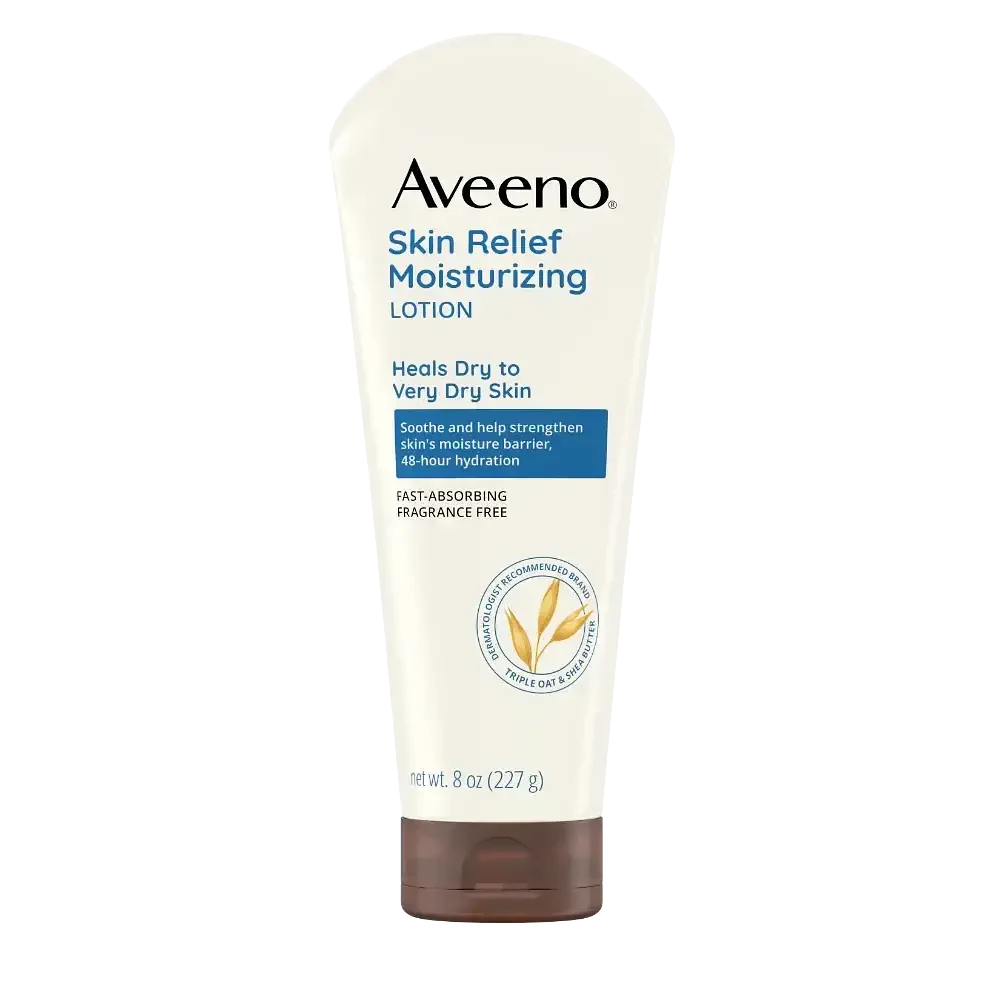
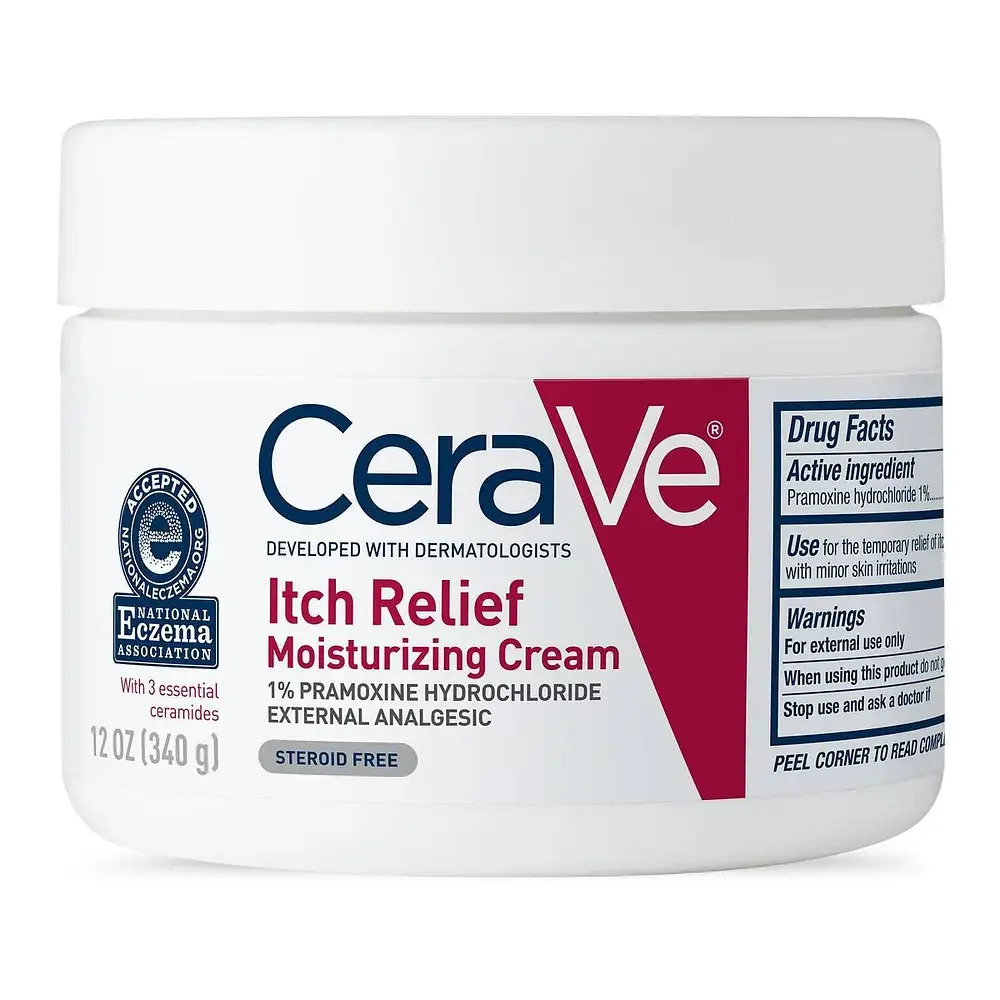
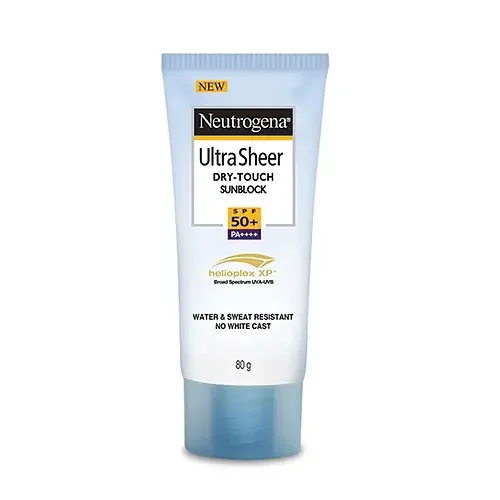
As an Amazon Associate, AllerNote earns from qualifying purchases.
Always scan the actual label before use — formulations change.
Scan a product for this concern
What is cetyl alcohol?
Cetyl alcohol is a fatty alcohol — a long-chain alcohol derived from plant or synthetic fats. Despite the word "alcohol," it is not the drying kind: fatty alcohols are oily, waxy substances that thicken creams, stabilise emulsions, and soften skin. Cetyl alcohol is one of the most common ingredients in moisturisers, conditioners, and creams, usually appearing alongside relatives like stearyl, cetearyl, or behenyl alcohol.
It's a structural workhorse: a huge share of lotions and creams would separate or feel thin without a fatty alcohol doing the thickening.
Why it rarely causes problems
Cetyl alcohol is rarely allergenic — true allergic contact dermatitis to it is uncommon. The occasional issues are:
- Mild irritation on very sensitive or damaged skin (usually irritant, not allergic, and often dose-dependent).
- Comedogenicity — rated ~2/5; fine for most, but rich, fatty-alcohol-heavy creams may contribute to breakouts in very acne-prone skin.
The biggest "problem" is actually a misunderstanding: people see "alcohol" and assume it's drying. Cetyl alcohol is the opposite — it supports the skin barrier. The drying ones to recognise are ethanol, alcohol denat., and isopropyl alcohol, which are entirely different.
Fatty alcohols (cetyl, stearyl, cetearyl, behenyl) = waxy, moisturising, barrier-friendly. Simple/drying alcohols (ethanol, alcohol denat., isopropyl) = volatile, can be drying on sensitive skin. Same word, opposite behaviour — don't avoid a good moisturiser because it lists "cetyl alcohol."
How to handle it
- Don't fear it — for dry/sensitive skin it's helpful, not drying.
- Acne-prone? If rich creams clog you, choose lighter gel/fluid textures.
- Reacting to many creams? Cetyl alcohol is an unlikely culprit — check fragrance/preservatives first; patch test to confirm if needed.
Alternatives (if you genuinely react)
- Acne-prone skin: gel moisturisers thickened with carbomer, xanthan gum, or sodium hyaluronate.
- Confirmed fatty-alcohol sensitivity: silicone-based (dimethicone) or squalane/oil-based light textures.
The bottom line
Cetyl alcohol is a benign, near-ubiquitous fatty alcohol that thickens and softens your creams — moisturising, not drying, and only rarely a problem. Don't confuse it with the drying alcohols; if a cream bothers you, the fragrance or preservative is a far likelier cause.
Was this article helpful?
One tap tells us what to write more of. No account needed.
Is this ingredient in your products?
Scan any cosmetic product to check for Cetyl Alcohol and 30+ other allergens instantly.