
Cholesterol
A natural skin lipid, not the heart-disease villain — and a quiet essential in barrier-repair creams
INCICholesterol
- Category
- Barrier
- Risk level
- low
- Bricks and mortar
- One of the three core barrier lipids — with ceramides and free fatty acids — in the stratum corneum
- No effect on your heart
- Topical cholesterol doesn't absorb into the bloodstream in meaningful amounts
- Best in a stack
- Works synergistically with ceramides and fatty acids — the classic ~1:1:1 barrier ratio
- Vegan note
- Cosmetic cholesterol is usually derived from lanolin (sheep's wool); phytosterols are a plant-based substitute
Look for these names on ingredient lists
This ingredient may appear under any of these names:
Commonly found in
Possible reactions
- No meaningful record of allergic reactions
- No irritation at cosmetic concentrations
- Safe for infants and atopic (eczema-prone) skin
- Topical cholesterol does not raise blood cholesterol
Top picks with Cholesterol
Highly rated products that feature Cholesterol in their ingredient list.
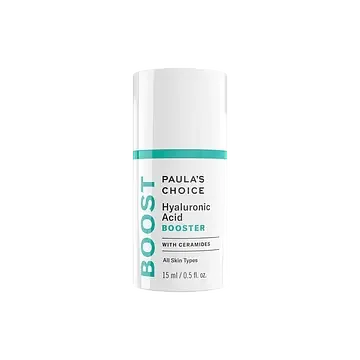
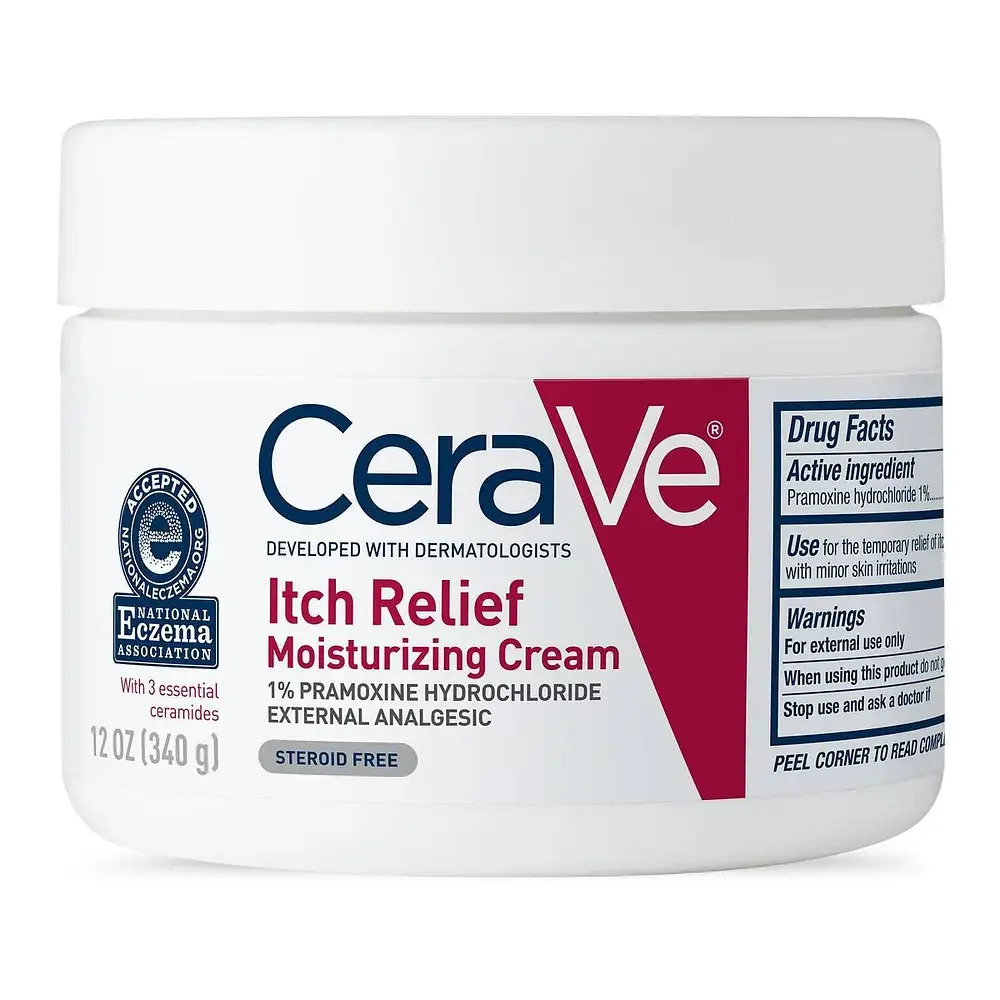
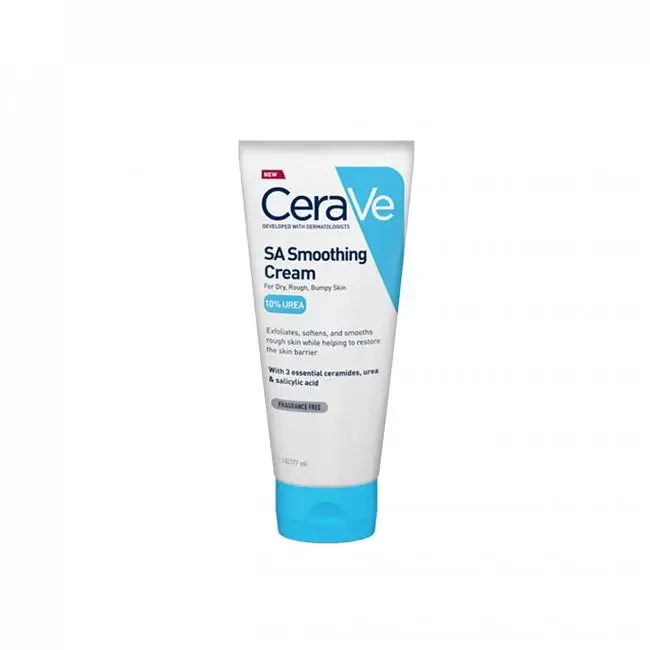

As an Amazon Associate, AllerNote earns from qualifying purchases.
Always scan the actual label before use — formulations change.
What is cholesterol in skincare?
Say "cholesterol" and most people think blood tests and heart disease. In skincare it's something entirely different — and entirely beneficial. Cholesterol is one of the three main lipids (with ceramides and free fatty acids) that make up the mortar between the "bricks" of your stratum corneum. Healthy skin holds roughly balanced amounts of all three; damaged or aging skin is often short of cholesterol specifically, which is exactly why it appears in barrier-repair moisturisers.
Topical cholesterol has no effect on blood cholesterol — it doesn't absorb past the stratum corneum in any meaningful way. It simply slots into the existing lipid matrix and helps patch the gaps, the same way the cholesterol your own skin cells make does.
Why it's almost never a problem
Allergy to cholesterol is essentially unheard of — your skin produces it constantly — and the Cosmetic Ingredient Review rates it safe at cosmetic levels. The only real "issues" are a misconception and a values question:
- The heart myth — there's no evidence any topical cosmetic ingredient affects blood lipids.
- The vegan consideration — cosmetic cholesterol is usually derived from lanolin (sheep's wool), so those avoiding animal-derived ingredients may prefer plant phytosterols, which perform similarly.
It also works best in a stack: the roughly 1:1:1 ceramides + cholesterol + free fatty acids approach (popularised by Dr Peter Elias's work) underpins modern barrier-repair creams. A formula listing cholesterol alone, without ceramides, will be less effective.
I like cholesterol as a teaching example: it's the ingredient people instinctively distrust for completely the wrong reason. A barrier cream isn't going to touch your cholesterol numbers — it's replacing a lipid your skin is missing. The thing actually worth checking on the label isn't "is there cholesterol?" but "is it paired with ceramides and fatty acids?" — Snehal
How to use it well
- Look for it in a ceramide stack — "ceramides + cholesterol + fatty acids" beats cholesterol alone.
- Apply to damp skin — like all lipids, it seals in water best with water present.
- Twice daily for barrier repair — for eczema, retinoid dryness or post-procedure skin, give it at least two weeks.
- Ignore the heart myth — topical cholesterol doesn't affect blood cholesterol.
- Pair with niacinamide — it prompts skin to make more of its own ceramides and cholesterol.
Alternatives & substitutes
- Vegan: phytosterols (plant sterols) instead of lanolin-derived cholesterol.
- Simpler/cheaper barrier care: petrolatum + glycerin (heavier feel, much of the benefit).
- Oily skin nervous about rich creams: a cholesterol-containing gel or lotion.
- Severe eczema: barrier cream is supportive care — see a dermatologist for prescription treatment too.
The bottom line
Cholesterol is a natural, near-inert skin lipid that's essential to barrier repair — not the dietary villain its name suggests, and with no effect on your blood cholesterol. It shines as part of a ceramide + cholesterol + fatty-acid stack; the only real caveats are the persistent heart-health myth (untrue) and its usual lanolin origin (a vegan, not a safety, issue).
Was this article helpful?
One tap tells us what to write more of. No account needed.
Is this ingredient in your products?
Scan any cosmetic product to check for Cholesterol and 30+ other allergens instantly.