
Cocamidopropyl Betaine (CAPB)
The coconut-derived "gentle" surfactant that became ACDS Allergen of the Year 2004 — and the impurities that are usually the real culprit
INCICocamidopropyl Betaine
- Category
- Surfactant
- Risk level
- medium
- Why it's flagged
- A recognised contact allergen (ACDS Allergen of the Year 2004), common in "gentle" products
- ACDS recognition
- Named Allergen of the Year 2004 as patch-test positivity rose
- The real culprit
- Reactions are often to impurities — amidoamine and DMAPA — left from manufacturing, not pure CAPB
- The irony
- Added to "gentle" and "sulfate-free" products aimed at the very people most likely to react
- Does not cross-react with
- Sugar-based glucoside surfactants (decyl/coco-glucoside) — useful alternatives
Look for these names on ingredient lists
This ingredient may appear under any of these names:
Commonly found in
Possible reactions
- Red, itchy rash on the scalp, face, or body
- Eyelid dermatitis from shampoo/face-wash run-off
- Burning or stinging on application
- Eczema-like patches that persist after rinsing
- Worsening of pre-existing dermatitis
Top picks without Cocamidopropyl Betaine (CAPB)
Highly rated products whose ingredient lists don't include Cocamidopropyl Betaine (CAPB).
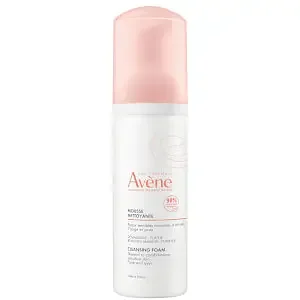
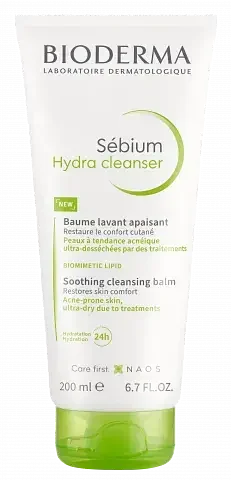
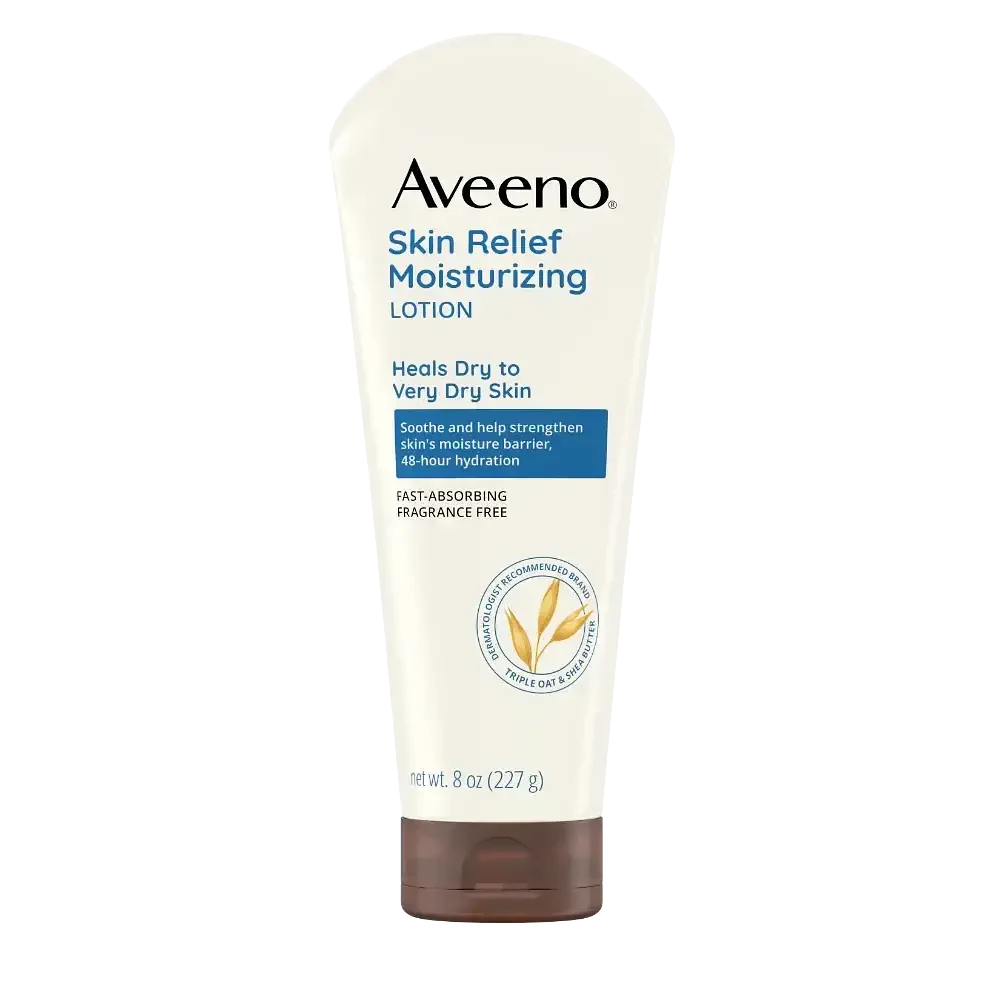
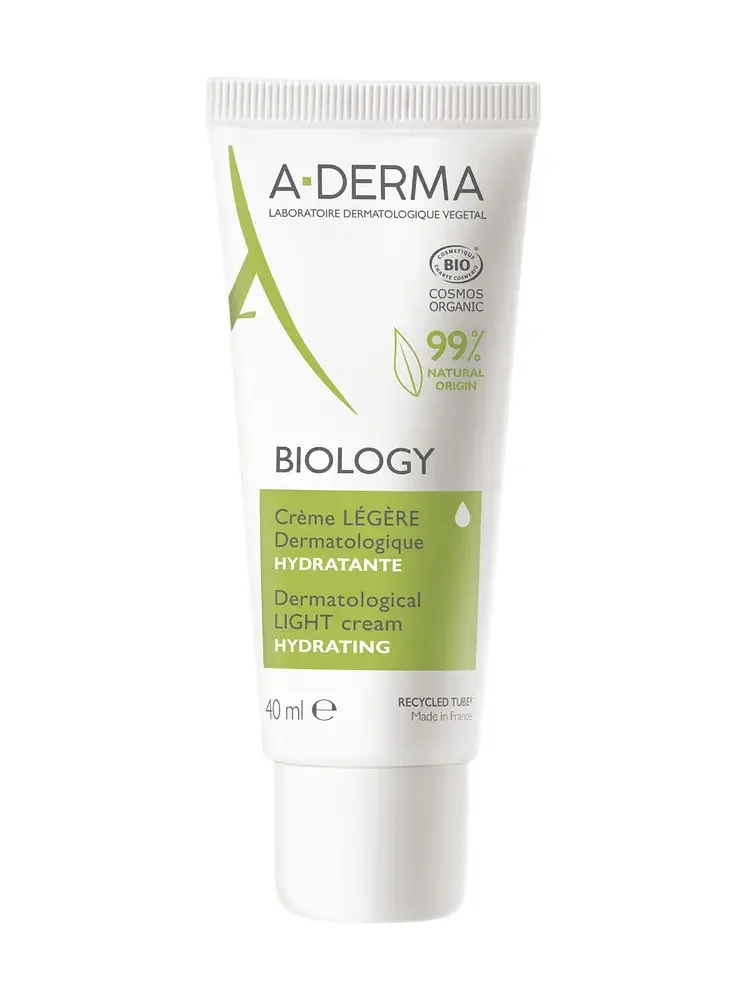
As an Amazon Associate, AllerNote earns from qualifying purchases.
Always scan the actual label before use — formulations change.
Scan a product for this concern
What is cocamidopropyl betaine?
Cocamidopropyl betaine (CAPB) is an amphoteric surfactant made from coconut oil and dimethylaminopropylamine (DMAPA). It produces a rich, creamy lather while being far gentler on the skin barrier than harsh sulfates like SLS — so as the market moved away from sulfates, formulators reached for CAPB as the "mild" replacement.
That's exactly where the trouble starts. CAPB is now everywhere in "gentle," "sulfate-free," and baby cleansers — the products specifically chosen by people with sensitive, reaction-prone skin. And CAPB, unlike the sulfates, is a genuine contact allergen.
Allergen of the Year — and the impurity twist
The American Contact Dermatitis Society named CAPB its Allergen of the Year in 2004, reflecting rising patch-test positivity. But there's an important nuance that changes how you think about it:
Much of the reactivity attributed to CAPB is actually due to impurities — amidoamine and DMAPA — formed or left behind during synthesis, rather than to pure cocamidopropyl betaine itself. Highly purified CAPB tends to be better tolerated. The practical problem is that you can't tell purified from impure material by reading a label, so once you're patch-test positive, the safe move is to avoid CAPB across the board.
This is the same pattern you see with formaldehyde releasers replacing parabens: a switch made in the name of gentleness introduced a more allergenic ingredient. If you've worked your way through several "sensitive skin," "sulfate-free," and baby washes and still react, CAPB is a prime suspect precisely because it's in all of them.
Where it hides
- Sulfate-free shampoos and "gentle" cleansers
- Baby washes and "tear-free" products
- Facial cleansers and micellar waters marketed for sensitive skin
- Occasionally eye-area and contact-lens products
Because it's so concentrated in the "sensitive skin" category, CAPB-allergic people often face a frustrating hunt — the obvious gentle options are the very ones to avoid.
How to spot and avoid it
- Read the surfactant block for Cocamidopropyl Betaine, CAPB, or Coco Betaine (often a secondary surfactant, mid-list).
- Be skeptical of "gentle"/"baby"/"sulfate-free" claims — check the actual list.
- Switch to non-cross-reacting surfactants — decyl glucoside, coco-glucoside, lauryl glucoside, sodium cocoyl isethionate.
- Patch test if you react to multiple cleansers and shampoos; CAPB (and its amidoamine/DMAPA impurities) can be tested.
When to see a dermatologist
If "switching to gentler products" keeps failing, that's a classic CAPB story and a good reason to patch test. Confirming CAPB (or amidoamine/DMAPA) allergy lets you skip the trial-and-error and go straight to glucoside-based or non-foaming cleansers.
The bottom line
Cocamidopropyl betaine is a coconut-derived, barrier-gentle surfactant that's also a real allergen — frequently via its manufacturing impurities — and it hides in exactly the "gentle" products sensitive people gravitate to. If it's your trigger, sugar-based glucoside surfactants are the reliable way out.
Was this article helpful?
One tap tells us what to write more of. No account needed.
Is this ingredient in your products?
Scan any cosmetic product to check for Cocamidopropyl Betaine (CAPB) and 30+ other allergens instantly.
References & further reading
- Cocamidopropyl betaine allergy — overview DermNet
- Cocamidopropyl betaine: Allergen of the Year 2004 Dermatitis (ACDS)