
Colophonium (Rosin)
Pine resin hiding in mascara, wax, and sticking plasters — a top-10 contact allergen you would never guess from the product
INCIColophonium
- Category
- Adhesive / Resin
- Risk level
- medium
- What it is
- A solid resin from pine sap, used to make products tacky and film-forming
- The sensitiser
- Oxidised abietic acid and related resin acids drive the allergy
- Patch-test frequency
- Consistently a top-10 contact allergen on European and North American baseline series
- "Natural" ≠ safe
- Plant-derived, but one of the more common allergens — naturalness says nothing about allergy risk
Look for these names on ingredient lists
This ingredient may appear under any of these names:
Commonly found in
Possible reactions
- Eyelid dermatitis, classically in mascara users
- A rash exactly outlining an adhesive bandage or tape
- Facial dermatitis after waxing (upper lip, brows)
- Hand dermatitis from handling sticky products
- Chronic or recurrent eyelid eczema
Top picks without Colophonium (Rosin)
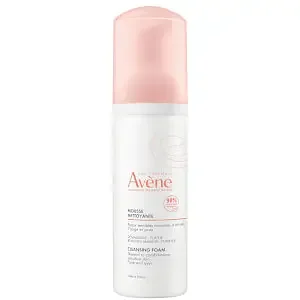
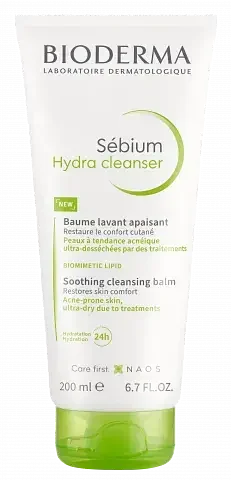
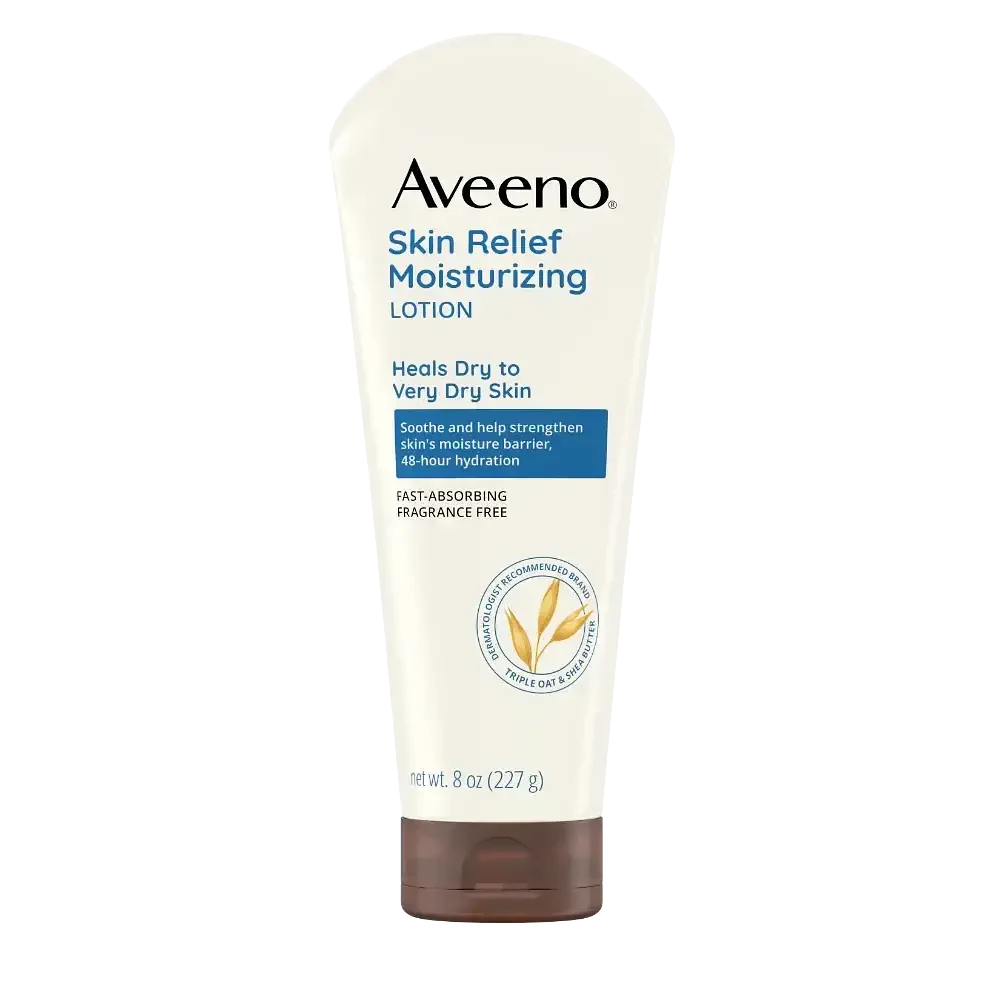
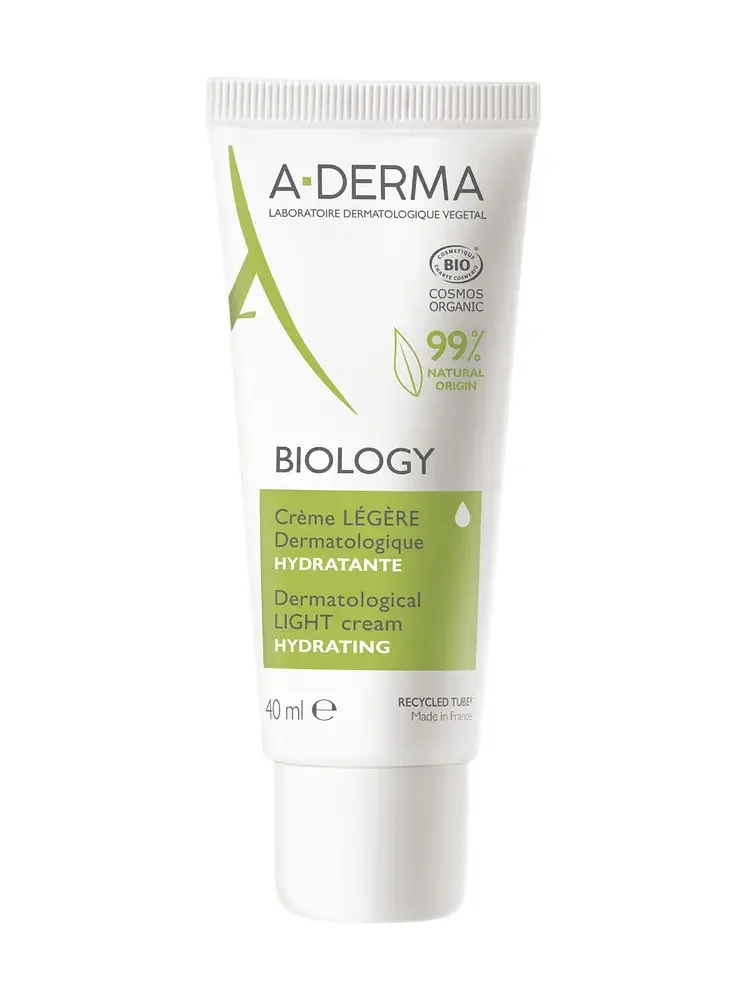
Highly rated products whose ingredient lists don't include Colophonium (Rosin).
As an Amazon Associate, AllerNote earns from qualifying purchases.
Always scan the actual label before use — formulations change.
Scan a product for this concern
What is colophonium?
Colophonium — also called rosin or colophony — is a solid resin obtained from pine trees. It's been used for centuries in sealants, varnishes, and adhesives, and in cosmetics it works as a tackifier and film former: it helps a product stick, grip, and hold its shape. That makes it quietly useful in mascara, eyeliner, depilatory wax, eyelash glue, adhesive bandages, and medical tape.
Because it's plant-derived, colophonium is sometimes assumed to be gentle. It isn't: it's one of the most common contact allergens, regularly landing in the top 10 on patch-test series. It's a textbook "hidden allergen" — present in products where no one expects pine resin.
Why it causes reactions
The sensitisers in rosin are abietic acid and related resin acids, and — importantly — their oxidation products. As rosin ages and reacts with air, it becomes more allergenic, which is part of why reactions can appear with continued use of a product that once seemed fine. Colophonium allergy is a delayed (Type IV) contact dermatitis: once sensitised, even small amounts can trigger it.
It also wears many names. On labels it may appear as Colophonium, Rosin, Colophony, Gum Rosin, Abietic Acid, or modified derivatives like Hydrogenated Rosin and Glyceryl Rosinate. If you react to one, you generally need to avoid them all.
The tell-tale patterns
Colophonium allergy often announces itself by location:
- Eyelid dermatitis in mascara users — itchy, scaly lids with no obvious cause are a classic presentation.
- A rash that exactly outlines a bandage or tape — adhesive allergy, frequently colophonium.
- Facial dermatitis after waxing — upper lip and brows, from rosin in depilatory wax.
- Hand dermatitis in people who handle sticky/resinous products.
Two of contact dermatitis's most readable clues live here: a rash that traces the precise rectangle of a plaster, or recurrent itchy eyelids in someone who wears mascara. Both should put colophonium near the top of the suspect list — it's one of the few allergens whose pattern often gives it away.
How to spot and avoid it
- Read mascara and eyeliner labels for Colophonium / Rosin / Colophony and the modified forms.
- Switch wax types — sugar (sucrose-based) wax is typically rosin-free.
- Choose silicone or hypoallergenic bandages/tape and patch-test a small area first.
- Check eyelash adhesives if you use strip or extension lashes.
- Confirm with patch testing — colophonium is on the baseline series, so it's tested routinely.
Safer alternatives
- Mascara: rosin-free or "tubing" mascaras with different film formers (verify the list).
- Hair removal: sugar wax, or rosin-free depilatory formulas.
- Wound care: silicone or paper-based hypoallergenic dressings and tapes.
- Lashes: magnetic lashes, or a mascara-only look if lash glue is a trigger.
The bottom line
Colophonium is a natural pine resin and a top-tier "hidden" allergen, slipping into mascara, wax, and sticking plasters. Its reactions often betray it by pattern — outlined-bandage rashes, recurrent eyelid eczema — so if either sounds familiar, read for rosin's many names and consider patch testing.
Was this article helpful?
One tap tells us what to write more of. No account needed.
Is this ingredient in your products?
Scan any cosmetic product to check for Colophonium (Rosin) and 30+ other allergens instantly.