
Ferulic Acid
A plant antioxidant that supercharges vitamins C and E — very low allergy, best known from the "CEF" serum stack
INCIFerulic Acid
- Category
- Antioxidant
- Risk level
- low
- Synergy with C + E
- Ferulic 0.5% + vitamin C 15% + vitamin E 1% can give several-fold more photoprotection than vitamin C alone
- Plant origin
- Found in rice bran, oats, apples, and seed oils
- Stabiliser
- Slows oxidation of vitamin C and helps hold the formula's pH
- Tolerability
- Very low allergy; the main "issue" is normal yellow colour
Look for these names on ingredient lists
This ingredient may appear under any of these names:
Commonly found in
Possible reactions
- Contact dermatitis very rare (well under 0.1%)
- Mild stinging on broken/sensitised skin (often from the low-pH vitamin C alongside it)
- Yellowish tint is normal, not a sign of damage
- Pregnancy-safe
Top picks with Ferulic Acid
Highly rated products that feature Ferulic Acid in their ingredient list.
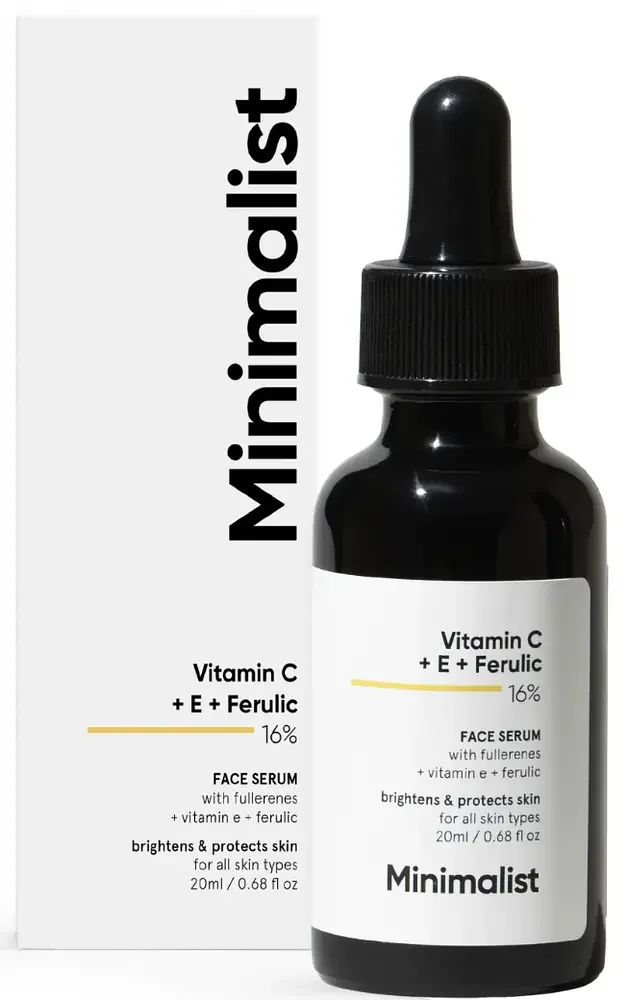

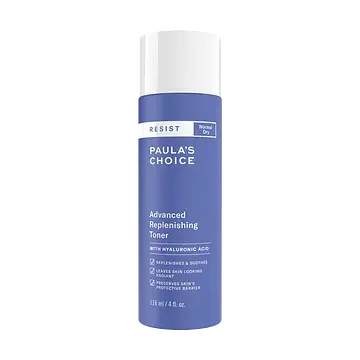
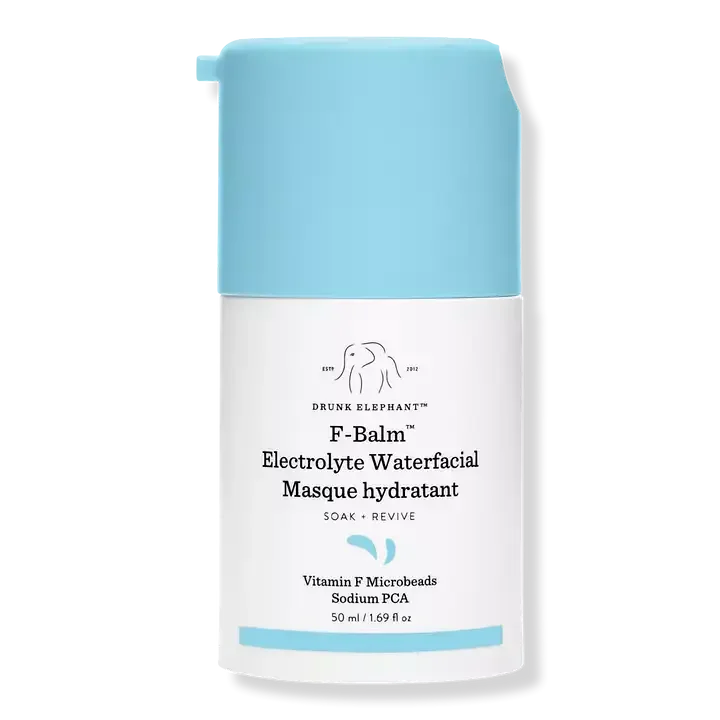
Always scan the actual label before use — formulations change.
What is ferulic acid?
Ferulic acid is a small phenolic antioxidant found in the cell walls of plants — rice bran, oats, apples, and various seeds — where it acts as both a UV defence and an antioxidant. Topically it does the same two things: it neutralises free radicals and stabilises vitamins C and E, extending their life and amplifying their benefits.
Its claim to fame is the CEF stack (vitamin C + vitamin E + ferulic acid), popularised by SkinCeuticals C E Ferulic. Peer-reviewed Duke dermatology research showed that adding ~0.5% ferulic acid to a C+E serum boosts photoprotection several-fold — a genuine, replicated finding, not marketing.
Why it's almost never a problem
Ferulic acid is one of the gentlest antioxidants in cosmetics — patch-test contact dermatitis is well under 0.1%, and it's rated safe at the levels used (0.1–1%, usually 0.5%) and is pregnancy-safe.
The main things to know are cosmetic, not safety:
- Colour. Ferulic acid is yellow-orange, so CEF serums look yellow — that's normal. Dark amber/brown means the vitamin C has oxidised and the serum should be replaced.
- Sting comes from the vitamin C. Ferulic acid lowers a C serum's working pH, so a CEF can sting slightly more than a derivative serum — that's the acidity, not the ferulic acid.
How to use it well
- Use it in a CEF serum (it's rarely sold alone).
- Apply in the morning — the whole point is daytime photoprotection.
- Pair with daily SPF — it boosts sunscreen, doesn't replace it.
- Watch the colour — yellow fine; brown = replace.
- Buy small bottles to finish before they oxidise.
Alternatives
- Non-stinging antioxidants: vitamin E alone, resveratrol, green-tea polyphenols, astaxanthin.
- Can't tolerate CEF's low pH: a vitamin C derivative (SAP, MAP, THD ascorbate) plus a separate antioxidant.
- Gentle brightening: niacinamide, alpha arbutin, azelaic acid.
The bottom line
Ferulic acid is the quiet stabiliser that makes vitamin C + E serums work harder — very low-allergy, evidence-backed, and only "quirky" in that it's meant to look yellow. If a CEF stings, the acidity (not the ferulic acid) is the cause.
Was this article helpful?
One tap tells us what to write more of. No account needed.
Is this ingredient in your products?
Scan any cosmetic product to check for Ferulic Acid and 30+ other allergens instantly.
References & further reading
- Ferulic acid stabilises a topical C+E antioxidant (Duke research) PubMed / J Invest Dermatol
- Antioxidants in skin care — overview DermNet