
Gluconolactone (PHA)
The gentlest acid family — exfoliates without the sting, hydrates as it works, and is even rosacea-friendly
INCIGluconolactone
- Category
- Exfoliant
- Risk level
- low
- What it is
- A polyhydroxy acid (PHA) — a larger-molecule cousin of AHAs, the gentlest chemical exfoliant family
- Multi-tasker
- Gently exfoliates, hydrates (humectant), and has mild antioxidant activity
- Barrier-friendly
- Strengthens rather than thins the barrier; low sun sensitivity; rosacea-safe
- Concentration
- 4–10% in toners and serums
Look for these names on ingredient lists
This ingredient may appear under any of these names:
Commonly found in
Possible reactions
- Very rare stinging
- Minimal peeling or dryness
- Almost no PIH risk on melanin-rich skin
- Very mild sun sensitivity
- Tolerated by sensitive, rosacea-prone, and post-procedure skin
Top picks with Gluconolactone (PHA)
Highly rated products that feature Gluconolactone (PHA) in their ingredient list.

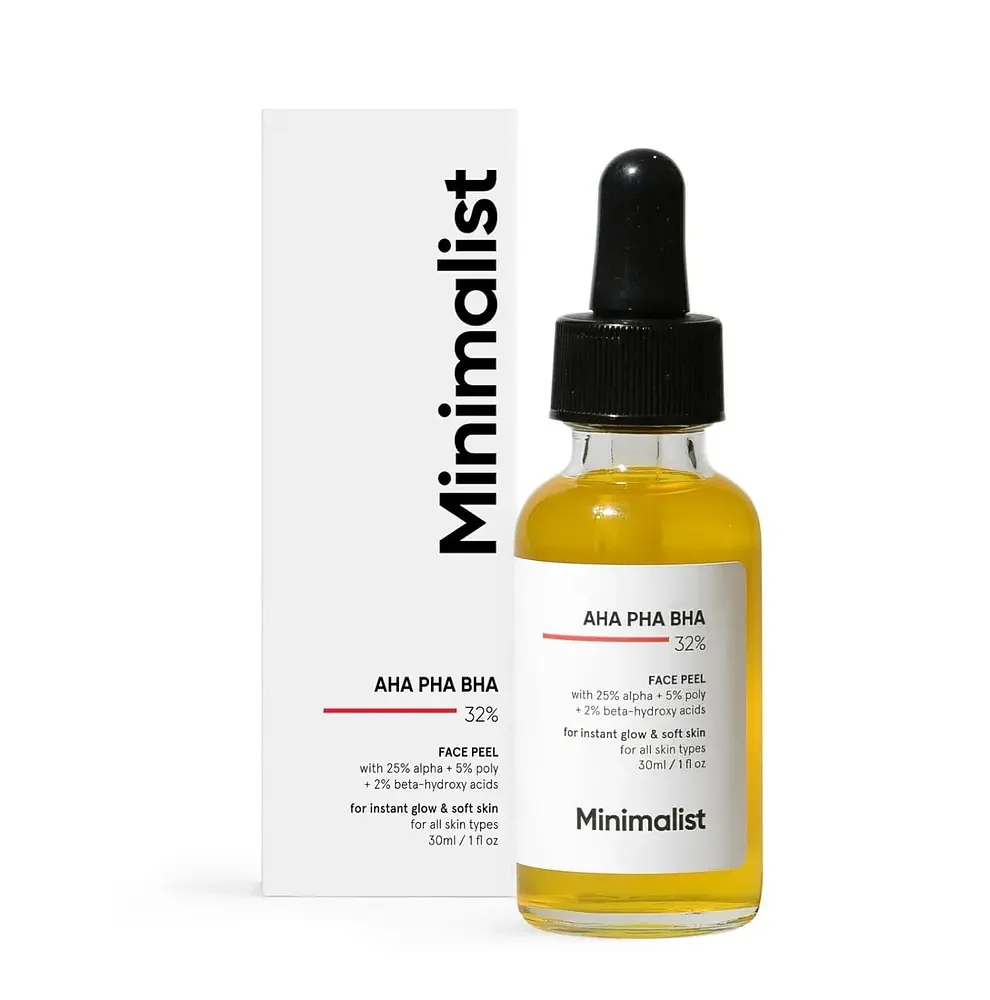
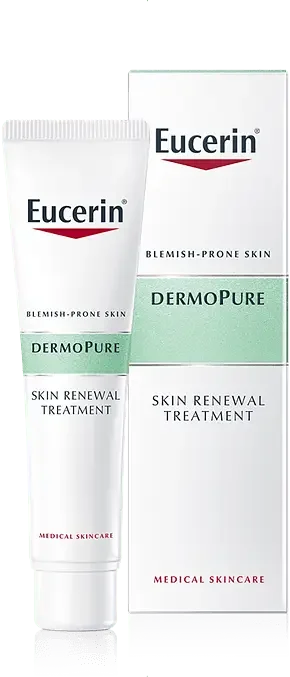
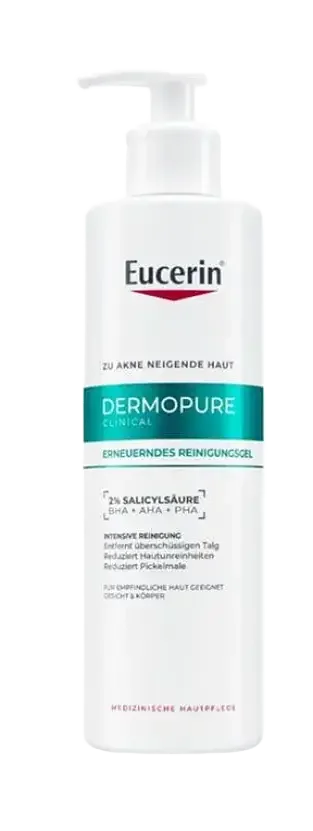
As an Amazon Associate, AllerNote earns from qualifying purchases.
Always scan the actual label before use — formulations change.
What is gluconolactone?
Gluconolactone is a polyhydroxy acid (PHA) — a newer chemical-exfoliant family (alongside lactobionic acid) that are structural cousins of AHAs like glycolic and lactic acid, but with larger molecules. That size means they penetrate even more slowly than AHAs, giving gentle, gradual exfoliation with minimal inflammation.
Gluconolactone actually does three things: it gently exfoliates the surface, acts as a humectant to bind water to the skin, and provides mild antioxidant activity. It's well tolerated even on compromised, post-procedure, or rosacea-prone skin — which is why it's so often the first exfoliant recommended to people who've reacted to glycolic or salicylic acid.
Why it's so well tolerated
The large molecule is the key: PHAs work only on the outermost layers, producing gentle surface turnover without the deeper inflammation smaller AHAs can cause. Studies consistently show little to no stinging, minimal peeling, and almost no redness even at 10%. Two further advantages set PHAs apart:
- Barrier-friendly — the humectant action tends to strengthen the barrier rather than thin it.
- Low sun sensitivity — unlike AHAs, PHAs don't meaningfully increase UV vulnerability, so they're more forgiving day-to-day.
- Rosacea-safe — one of the few exfoliants gentle enough for rosacea-prone skin.
True allergy is essentially a non-issue; what little reaction occurs is minor, transient irritation.
How to use it well
- 3–5 times a week — gentle enough for near-daily use for most people.
- Morning or night — flexible, thanks to low photosensitivity.
- Layer with ceramides, niacinamide, panthenol — PHAs pair beautifully with barrier support.
- Still wear daily SPF — less critical than with AHAs, but good practice.
- Start here if acids have burned you before.
Alternatives
- Stronger: lactic or glycolic acid.
- Pores/acne directly: salicylic acid (BHA).
- Hydration without exfoliation: hyaluronic acid, glycerin, sodium PCA.
The bottom line
Gluconolactone is the kindest chemical exfoliant there is — gentle, hydrating, barrier-friendly, low-photosensitivity, and tolerated even by rosacea-prone skin. If glycolic or salicylic acid has ever stung or marked your skin, a PHA is the safest place to start.
Was this article helpful?
One tap tells us what to write more of. No account needed.
Is this ingredient in your products?
Scan any cosmetic product to check for Gluconolactone (PHA) and 30+ other allergens instantly.