
Jojoba Oil
A liquid wax that mimics skin's own sebum — low-comedogenic, shelf-stable, and about as low-allergy as a face oil gets
INCISimmondsia Chinensis Seed Oil
- Category
- Emollient
- Risk level
- low
- Not an oil — a wax
- Chemically a liquid wax ester, the closest plant match to human sebum
- Low comedogenic
- Rated ~2/5 — rarely clogs pores, even on oily/acne-prone skin
- Shelf-stable
- Resists rancidity and stores well (2+ years), unlike most plant oils
- Not a nut
- Despite the name, unrelated to tree nuts — generally fine for nut-allergic users
Look for these names on ingredient lists
This ingredient may appear under any of these names:
Commonly found in
Possible reactions
- Very rare allergic reactions
- Suits oily, acne-prone, and sensitive skin
- No sun sensitivity
- Pregnancy-safe
Top picks with Jojoba Oil
Highly rated products that feature Jojoba Oil in their ingredient list.
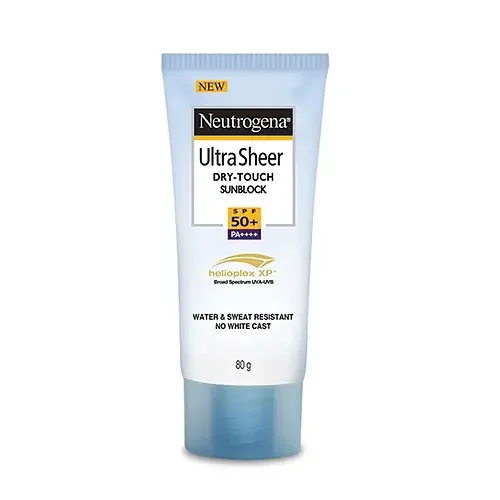

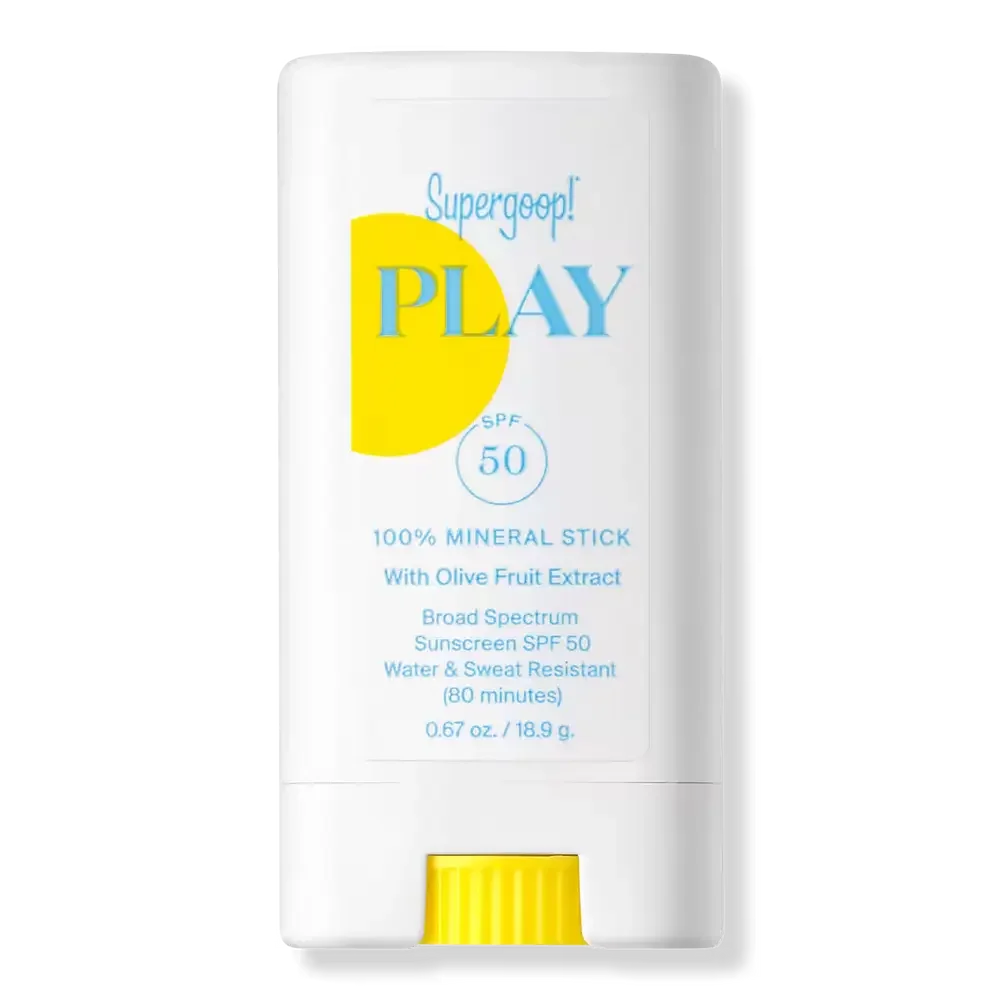
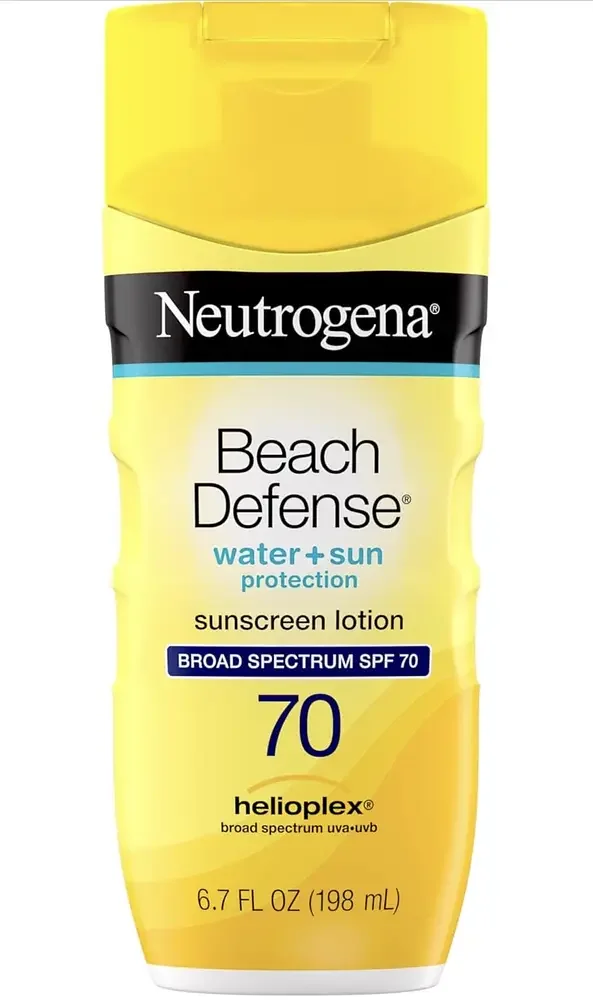
As an Amazon Associate, AllerNote earns from qualifying purchases.
Always scan the actual label before use — formulations change.
Scan a product for this concern
What is jojoba oil?
Jojoba oil comes from the seeds of Simmondsia chinensis, a desert shrub. Despite the name, it's chemically a liquid wax ester rather than a true oil — and it's remarkably close in structure to human sebum, the oil your skin makes. That similarity is why it plays well with all skin types: it can supplement dry skin and sit comfortably on oily skin without the heavy, pore-clogging feel of richer oils.
It has a low comedogenic rating (~2/5), is non-sensitising, shelf-stable, and mildly antioxidant (it contains vitamin E).
Why it's so well tolerated
Jojoba has one of the strongest safety profiles of any plant-derived skincare ingredient — contact dermatitis is almost unheard of, and it's rated safe at all cosmetic concentrations. Unlike coconut oil it rarely breaks people out, and unlike essential oils it has no fragrance allergens.
- Shelf-stable — keeps ~2 years without going rancid.
- All skin types — light moisture for dry skin, sebum-like compatibility for oily skin.
- Not a nut — unrelated to tree nuts; generally fine for nut-allergic users.
- Pregnancy-safe.
How to use it well
- A few drops — a little goes a long way.
- Layer after water-based products (serums), before or as the final step.
- Great for oil cleansing — massage on, wipe off with a warm cloth.
- Good as a light scalp/hair oil.
- Store cool and dark — stable, but heat still shortens life.
Alternatives
- Even more inert: squalane (close feel, essentially zero allergy).
- Richer moisture: argan or marula oil, shea butter.
- Fragrance-free: plain refined jojoba without added essential oils.
The bottom line
Jojoba is the safe, sebum-like "everyone" oil — low-comedogenic, shelf-stable, fragrance-free, and with allergy effectively off the table (and it's not a nut). If you want a face oil that suits oily and sensitive skin alike, it's one of the easiest choices.
Was this article helpful?
One tap tells us what to write more of. No account needed.
Is this ingredient in your products?
Scan any cosmetic product to check for Jojoba Oil and 30+ other allergens instantly.