
Bindi, Kumkum & Sindoor Allergens
Forehead and hair-parting cosmetics that can carry lead, allergenic dyes, or adhesive resins — and the rashes (and pale patches) they leave
INCIVarious
- Category
- Metal
- Risk level
- high
- Heavy-metal risk
- Loose/unbranded sindoor and kumkum have repeatedly been found to contain high lead (and sometimes mercury) — the US FDA has warned about lead in imported sindoor
- Two different reactions
- Powder forms tend to cause allergic/irritant dermatitis (dyes, metals); sticker bindis classically cause depigmentation (leukoderma) from their adhesive
- The adhesive culprit
- Sticker-bindi leukoderma is linked to PTBP (p-tert-butylphenol formaldehyde resin) in the adhesive, which is toxic to pigment cells
- Often unlabelled
- Frequently sold loose, without an ingredient list — so identifying the exact allergen needs patch testing
Look for these names on ingredient lists
This ingredient may appear under any of these names:
Commonly found in
Possible reactions
- Redness and itching on the central forehead
- A discrete patch of dermatitis matching the application site
- Pale, depigmented patches (contact leukoderma), especially with sticker bindis
- Pigmentation changes (darkening) after repeated use
Top picks without Bindi, Kumkum & Sindoor Allergens
Highly rated products whose ingredient lists don't include Bindi, Kumkum & Sindoor Allergens.
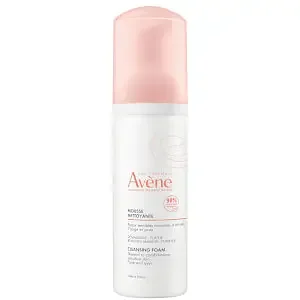
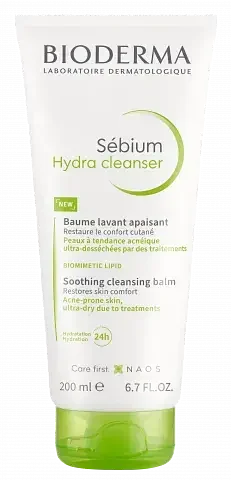
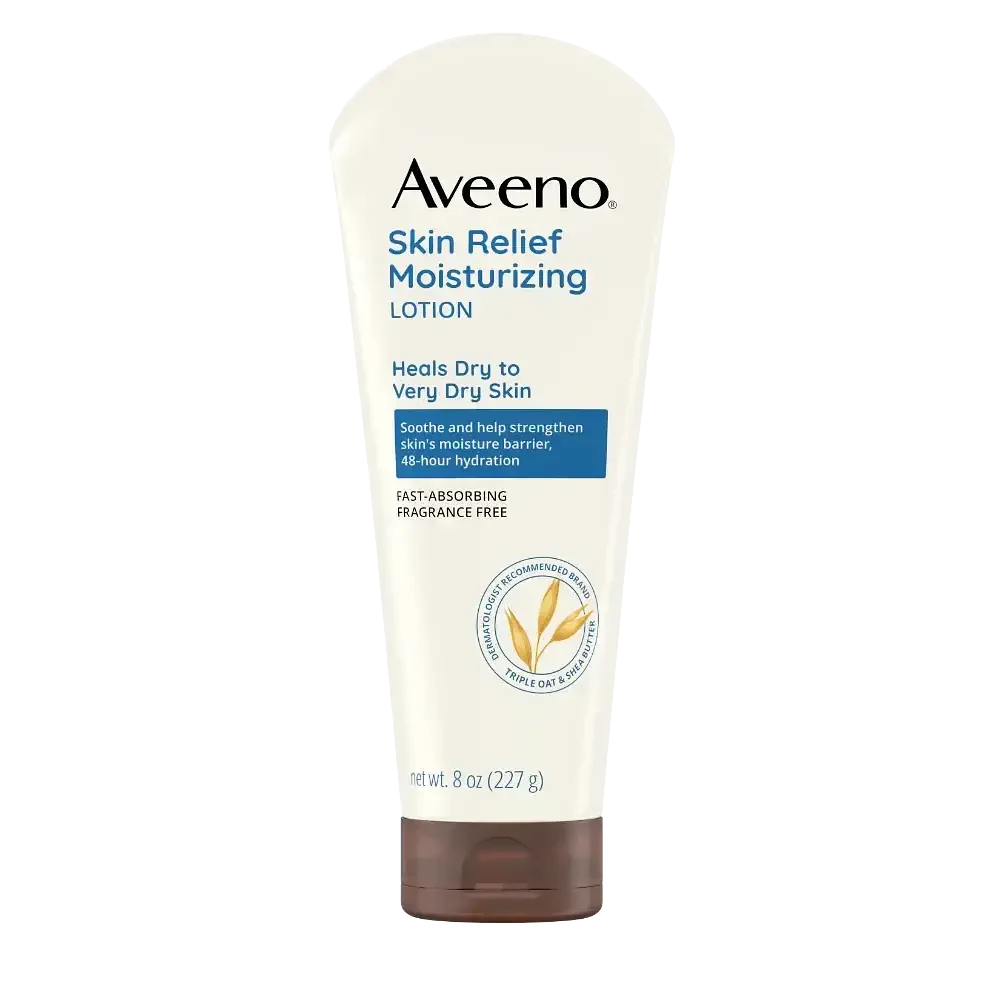
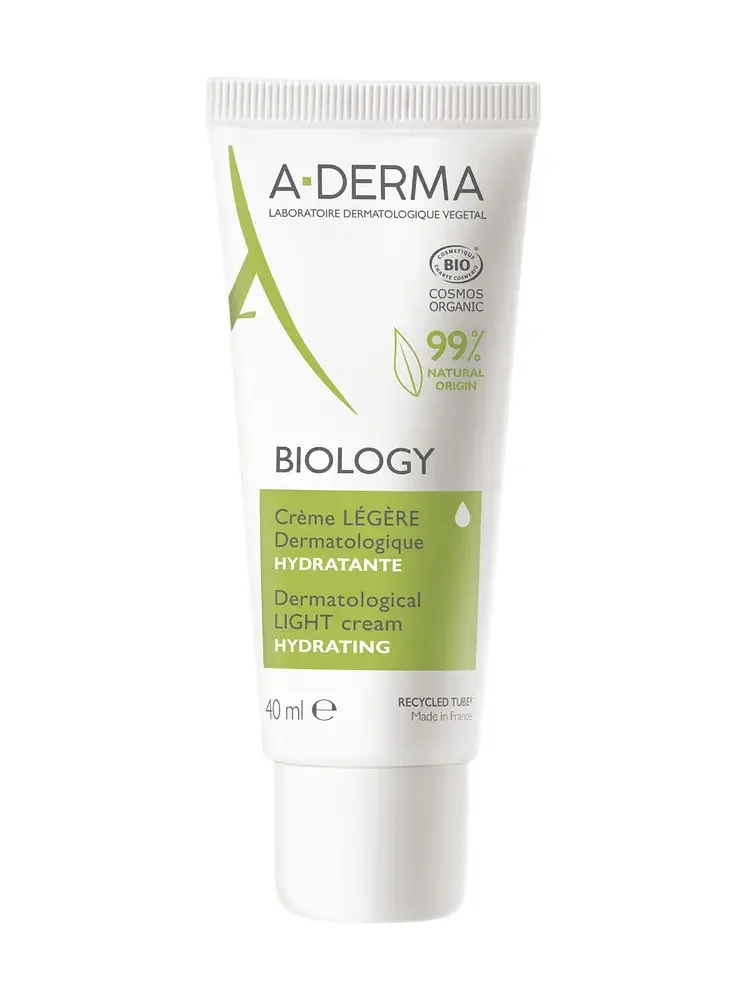
As an Amazon Associate, AllerNote earns from qualifying purchases.
Always scan the actual label before use — formulations change.
Scan a product for this concern
What are bindi, kumkum and sindoor?
Bindi (a forehead dot), kumkum (loose vermilion powder) and sindoor (vermilion applied to the hair parting) are traditional cosmetics worn across South Asia and by the South Asian diaspora worldwide. Unlike mainstream cosmetics, they're often sold loose and unlabelled, may be handmade or commercially produced, and vary enormously in quality and safety.
Their composition ranges from turmeric and saffron to synthetic dyes, talc and binders; older sindoor was sometimes made from cinnabar (mercury sulfide), and modern versions may rely on synthetic colourants. Sticker bindis are a different beast — a coloured felt or plastic dot held on by adhesive. The lack of regulation and labelling is what makes this category a distinctive — and globally documented — source of skin reactions and heavy-metal exposure.
The reactions, and why they happen
There are really three separate concerns here, and telling them apart matters:
- Allergic / irritant dermatitis (powders). Red and orange azo dyes, PPD-type colourants, turmeric, lime and other additives can cause allergic contact dermatitis or irritation — typically a discrete, itchy red patch matching the application site on the central forehead.
- Contact leukoderma (sticker bindis). Adhesive bindis are classically linked to depigmentation — a pale patch where the bindi sits — because the adhesive can contain p-tert-butylphenol formaldehyde resin (PTBP), which is toxic to melanocytes. This is easily mistaken for vitiligo.
- Heavy-metal exposure. Loose, unbranded sindoor/kumkum has repeatedly been found high in lead (and sometimes mercury). The US FDA has warned consumers about lead in imported sindoor, advising it be kept away from food and children — a toxicity issue beyond the skin.
Depigmentation confined to where a sticker bindi sits is a recognised contact leukoderma from the adhesive's PTBP resin — not necessarily vitiligo. The distinction changes both the explanation and the fix (switching products), so it's worth raising with a dermatologist rather than assuming.
How to reduce the risk
- Prefer branded, labelled products from regulated manufacturers over loose, unbranded powders.
- Avoid loose/street vermilion — the highest risk for heavy-metal contamination.
- Test before regular use — a few days on the inner forearm can reveal a reaction before it's on your face.
- Suspect the adhesive if a sticker bindi leaves a pale patch (PTBP leukoderma); a powder form or different product may avoid it.
- Keep all vermilion away from food and children — given the lead concern with some products.
- See a dermatologist for persistent forehead dermatitis or depigmentation — patch testing can identify a dye, metal or the adhesive resin.
Safer alternatives
- Branded, regulated kumkum/bindi with clear labelling.
- Powder bindi instead of sticker if adhesive (PTBP) leukoderma is suspected — or vice versa if a powder dye is the trigger.
- Reduced frequency / smaller area to lower cumulative exposure.
- Dermatologist-guided patch testing to identify the exact allergen.
The bottom line
Bindi, kumkum and sindoor sit outside normal cosmetic labelling, and that's the heart of the problem: they can carry allergenic dyes, melanocyte-toxic adhesive resin (PTBP, causing pale "leukoderma" patches), or — in loose, unbranded forms — worrying levels of lead, which the US FDA has flagged in imported sindoor. Choose branded labelled products, treat a sticker-bindi pale patch as possible contact leukoderma rather than vitiligo, keep these products away from food and children, and patch test persistent reactions.
Was this article helpful?
One tap tells us what to write more of. No account needed.
Is this ingredient in your products?
Scan any cosmetic product to check for Bindi, Kumkum & Sindoor Allergens and 30+ other allergens instantly.