
Lactic Acid
A gentle, hydrating alpha hydroxy acid — the best-tolerated exfoliant for dry and sensitive skin
INCILactic Acid
- Category
- Exfoliant
- Risk level
- low
- Gentler than glycolic
- A larger molecule penetrates more slowly — gentler exfoliation, less irritation
- Also a humectant
- Unusually, it hydrates the skin as it exfoliates
- Reaction type
- Dose-dependent irritation + sun sensitivity, not allergy
- Concentration
- 5% gentle, 10% standard, 15%+ strong
Look for these names on ingredient lists
This ingredient may appear under any of these names:
Commonly found in
Possible reactions
- Mild stinging on application (less than glycolic)
- Occasional redness at higher strengths
- Some increased sun sensitivity
- Rare dryness
- PIH risk on melanin-rich skin only at high strengths/overuse
Top picks with Lactic Acid
Highly rated products that feature Lactic Acid in their ingredient list.
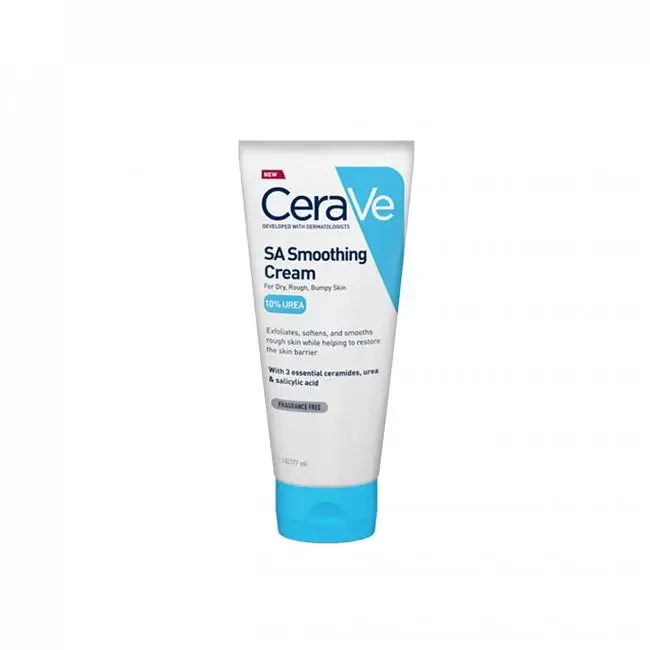
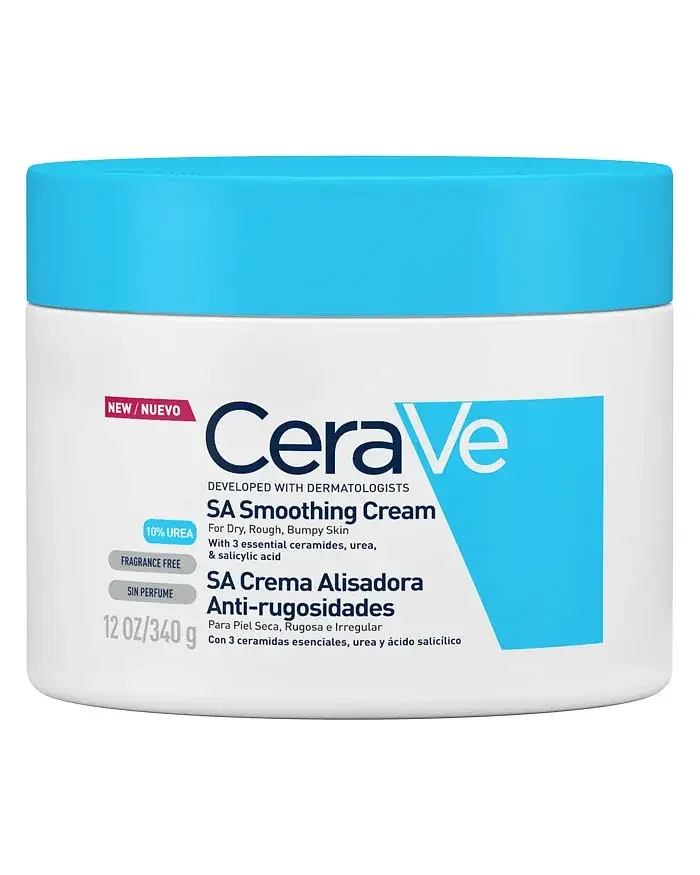
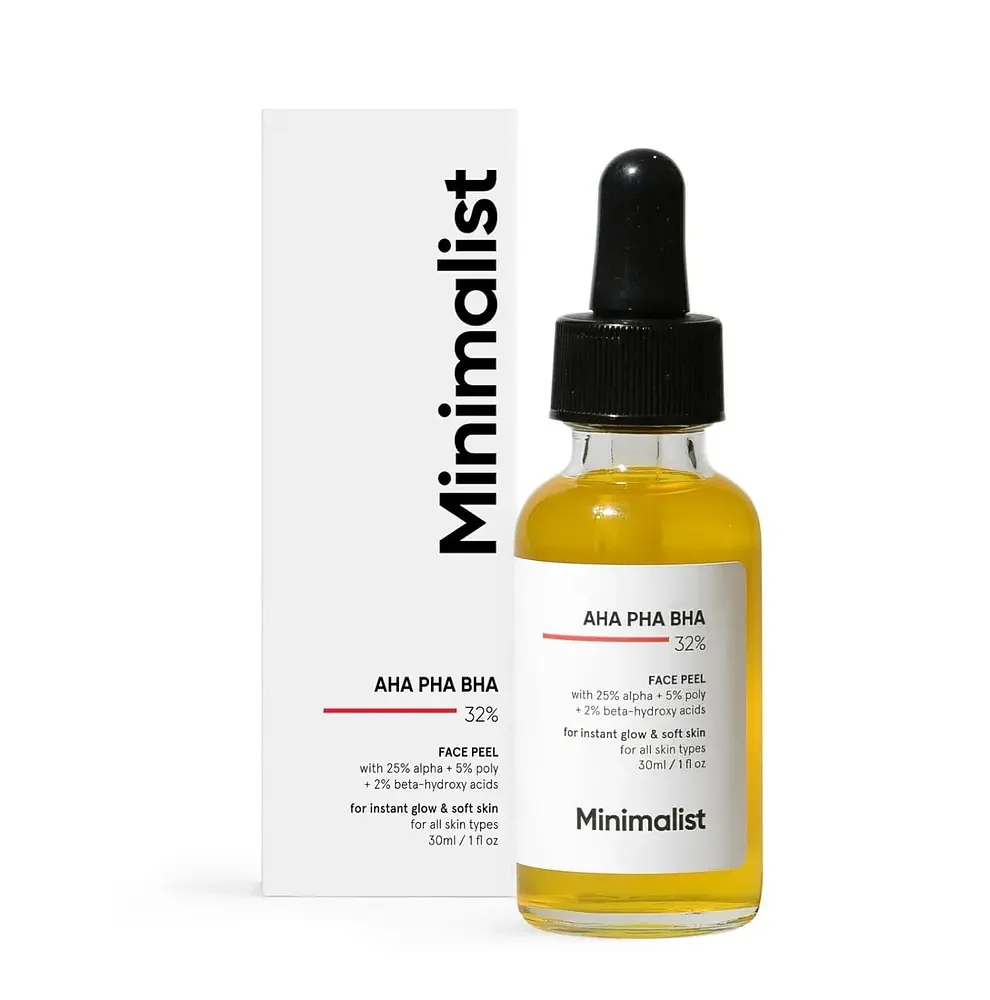
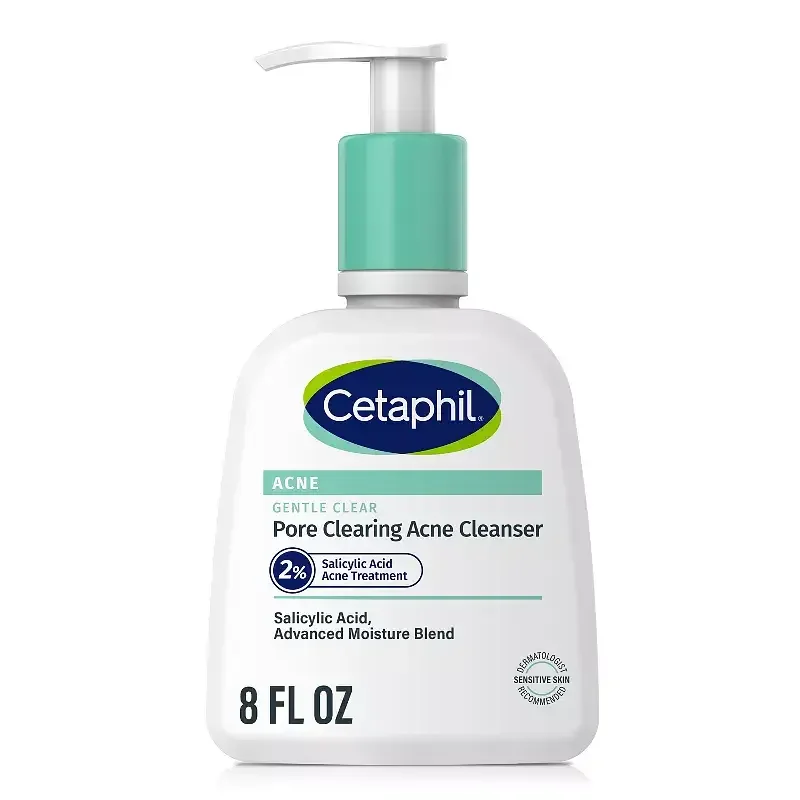
As an Amazon Associate, AllerNote earns from qualifying purchases.
Always scan the actual label before use — formulations change.
What is lactic acid?
Lactic acid is an alpha hydroxy acid found naturally in fermented milk and many plants. It's the second most popular AHA after glycolic acid, and it has one defining advantage: a larger molecule that penetrates more slowly and evenly, making it noticeably gentler than glycolic while still delivering real exfoliation.
It also has a second trick — it's a natural humectant. Where other AHAs can leave skin tight, lactic acid simultaneously draws water in, so you get gentle exfoliation plus hydration. That combination makes it the go-to acid for dry, sensitive, or mature skin, and a sensible first AHA for anyone wary of glycolic's sting.
Gentler — but still an AHA (irritation, not allergy)
The gentleness is simple chemistry: a bigger molecule crosses the stratum corneum more slowly, spreading the effect out and generating less acute inflammation. Most people report less stinging, peeling, and redness than with equal-strength glycolic.
It's still an AHA, so the standard, non-allergic cautions apply:
- Sun sensitivity — milder than glycolic, but real; daily SPF.
- PIH on melanin-rich skin — lower risk than glycolic, but possible at high strengths or with overuse.
- Barrier strain from overuse — more than 3–4 times a week can still compromise the barrier.
- pH-dependent — works at pH ~3–4.
How to use it well
- Start at 5% and build up.
- 2–4 times a week (some tolerate daily 5%).
- At night, with daily SPF.
- Great for the body — KP, rough elbows, heels.
- Pair with niacinamide/ceramides to support the barrier.
Alternatives
- Even gentler: mandelic acid or PHAs (gluconolactone).
- Stronger: glycolic acid.
- Acne/pores: salicylic acid (works inside the pore).
- Hydration without exfoliation: glycerin, hyaluronic acid, sodium PCA.
The bottom line
Lactic acid is the friendly AHA — gentle, hydrating, and ideal for dry or sensitive skin and for body texture like KP. Its downsides are predictable irritation and sun sensitivity (not allergy), easily managed by going low-and-slow with sunscreen.
Was this article helpful?
One tap tells us what to write more of. No account needed.
Is this ingredient in your products?
Scan any cosmetic product to check for Lactic Acid and 30+ other allergens instantly.