
Lavender Oil
A "calming," ubiquitous essential oil — and a genuine fragrance allergen via its oxidised linalool, not the photosensitiser it's sometimes claimed to be
INCILavandula Angustifolia Oil
- Category
- Fragrance
- Risk level
- low
- What it is
- Essential oil of Lavandula angustifolia; rich in linalool and linalyl acetate
- The real sensitiser
- Oxidised linalool/linalyl acetate (hydroperoxides) — risk rises as the oil ages and meets air
- Not strongly phototoxic
- Lavender is a contact allergen, not a notable photosensitiser — phototoxicity belongs to citrus/bergamot furocoumarins
- "Natural" ≠ safe
- A recognised fragrance allergen despite its calming, botanical image
Look for these names on ingredient lists
This ingredient may appear under any of these names:
Commonly found in
Possible reactions
- Allergic contact dermatitis (often from oxidised oil)
- Redness, itching, eczema-like flare in sensitised people
- Stinging on broken skin
- Higher risk from old/air-exposed oil and leave-on products
Top picks with Lavender Oil
Highly rated products that feature Lavender Oil in their ingredient list.


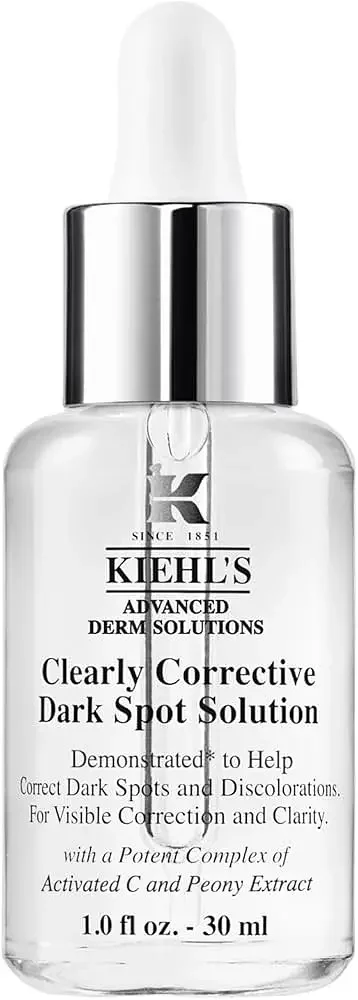
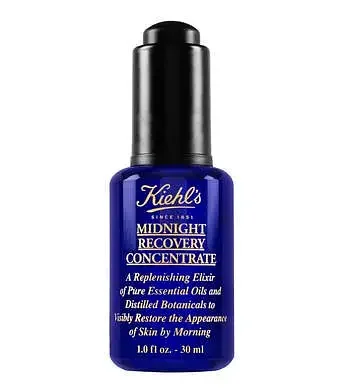
Always scan the actual label before use — formulations change.
Scan a product for this concern
What is lavender oil?
Lavender oil is an essential oil steam-distilled from Lavandula angustifolia (true lavender) or related species. With its floral, herbaceous scent and "calming" reputation, it's one of the most popular essential oils in the world — in perfumes, lotions, face oils, bath products, and aromatherapy. That soothing, natural image leads many people to assume it's inherently safe. It isn't necessarily.
Lavender oil is rich in linalool and linalyl acetate, plus dozens of other compounds. As a whole oil it may not trigger the same individual-allergen labelling as pure linalool, but it can still cause allergic contact dermatitis.
Why it causes reactions — and the photosensitivity myth
The allergy comes mainly from oxidation. Linalool and linalyl acetate react with air over time to form hydroperoxides that are considerably more allergenic than the fresh compounds — so an old, frequently-opened bottle of lavender oil (or a lavender product past its best) is riskier than a fresh one. Some people react after repeated use (sensitisation); leave-on products carry more risk than rinse-off.
One correction worth making, because it's widely repeated: lavender oil is not a notable photosensitiser. The essential oils that cause genuine sun-triggered (phototoxic) reactions are citrus oils like bergamot, due to furocoumarins (psoralens) — which lavender doesn't contain in meaningful amounts. The real, evidence-based caution with lavender is contact allergy, not sunlight.
How to spot and avoid it
- Read labels for Lavandula Angustifolia Oil, Lavender Oil/Extract/Absolute — and treat it as a linalool source.
- Prefer fresh oil in airtight, opaque packaging (oxidation is the main driver).
- Be cautious with "calming"/"aromatherapy"/"natural" products lacking a full ingredient list.
- Go fragrance-free if you have a known fragrance or linalool allergy.
Safer alternatives
- Fragrance-free moisturisers and serums.
- If you want a light scent, single, well-tolerated materials (patch test if highly sensitive).
- "Calming" actives without fragrance allergens: panthenol, centella, oat (note other botanicals can also sensitise — check labels).
The bottom line
Lavender oil is a genuine fragrance allergen, chiefly through oxidised linalool — not the photosensitiser it's often labelled. Manage it like any fragrant essential oil (fresh, low-concentration, off broken skin), and if you're linalool/fragrance-allergic, treat "natural lavender" as the same allergen as the synthetic compound.
Was this article helpful?
One tap tells us what to write more of. No account needed.
Is this ingredient in your products?
Scan any cosmetic product to check for Lavender Oil and 30+ other allergens instantly.
References & further reading
- Lavender oil and oxidised linalool contact allergy — review PubMed / Contact Dermatitis
- Essential oil contact allergy — overview DermNet