
LHA (Capryloyl Salicylic Acid)
A slower, deeper-penetrating cousin of salicylic acid — clears stubborn blackheads with less of the sting
INCICapryloyl Salicylic Acid
- Category
- Exfoliant
- Risk level
- medium
- What it is
- Salicylic acid with a fatty (caprylic) tail — larger, more oil-loving, slower-penetrating
- How it works
- Targets oil/keratin plugs inside pores like a BHA, but more gradually and gently
- Where you'll find it
- Developed by L'Oréal; common in La Roche-Posay Effaclar and CeraVe lines
- Salicylate note
- A salicylate derivative — caution with severe aspirin/salicylate allergy
Look for these names on ingredient lists
This ingredient may appear under any of these names:
Commonly found in
Possible reactions
- Mild dryness in the first weeks
- Rare stinging or peeling
- Occasional purging as pores clear
- Mild sun sensitivity
- Possible reaction in those with severe aspirin/salicylate sensitivity
Top picks without LHA (Capryloyl Salicylic Acid)
Highly rated products whose ingredient lists don't include LHA (Capryloyl Salicylic Acid).
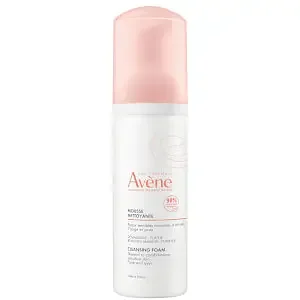
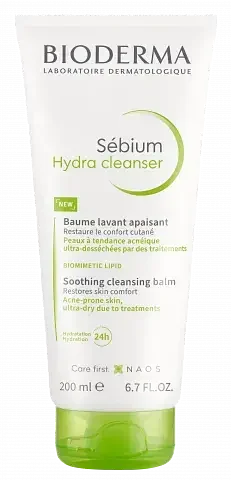
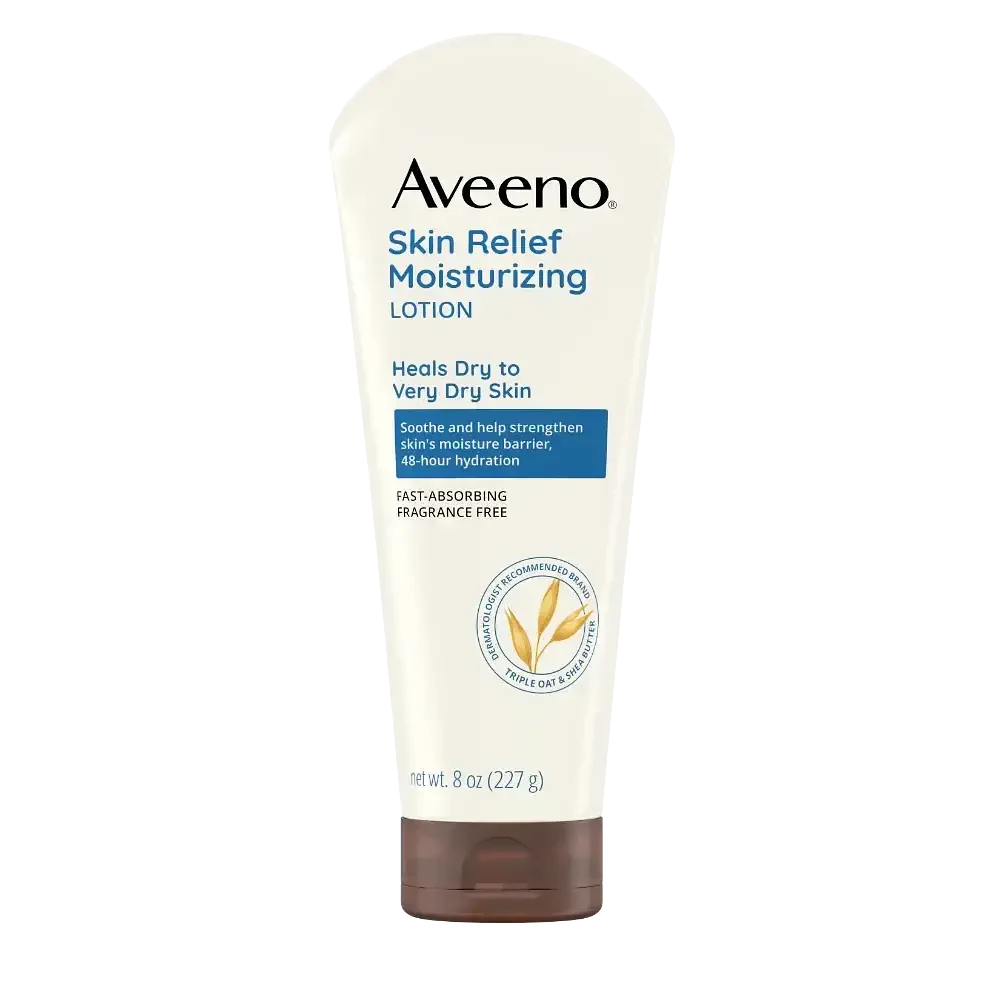
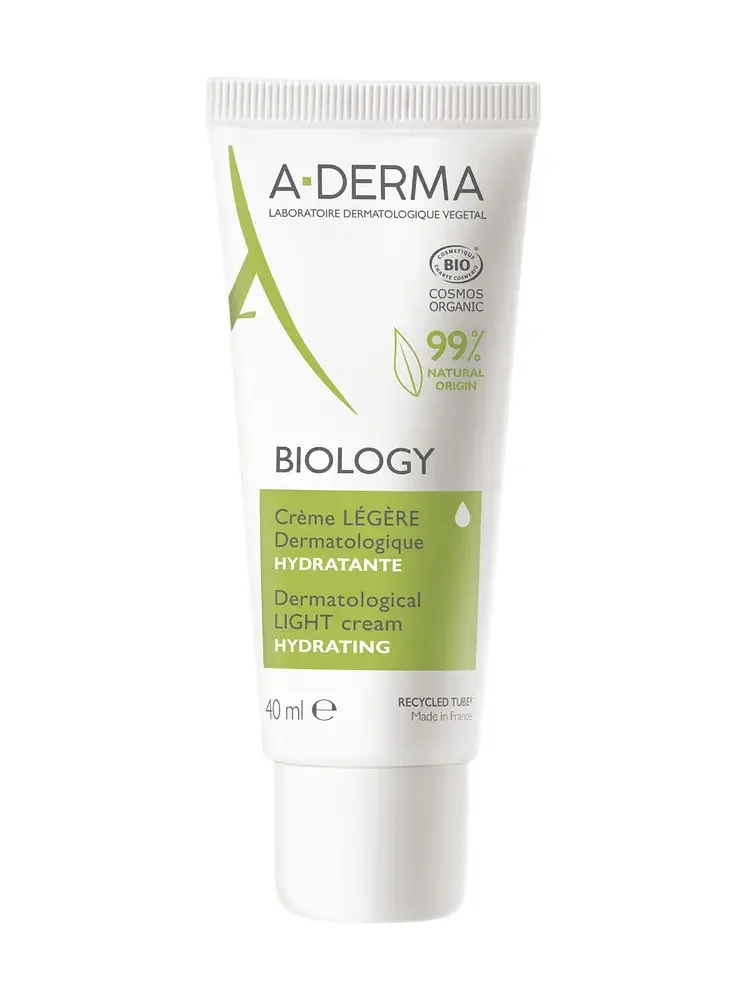
As an Amazon Associate, AllerNote earns from qualifying purchases.
Always scan the actual label before use — formulations change.
What is LHA?
LHA — lipo-hydroxy acid, INCI name capryloyl salicylic acid — is a chemical exfoliant developed by L'Oréal as a gentler relative of salicylic acid. It's essentially salicylic acid with a fatty (caprylic) tail, which makes the molecule larger and more lipophilic (oil-loving). That bigger, fattier structure means it penetrates the pore lining slowly and evenly, with less surface irritation than salicylic acid at comparable strength.
It works through the same basic route as a BHA — dissolving the oil-and-keratin plugs inside pores to reduce blackheads, whiteheads, and clogged texture — but its slow action makes it a good fit for people who want pore-clearing benefits yet found salicylic acid too drying.
Why it's better tolerated than salicylic acid
The slow, even penetration is the reason. Where 2% salicylic acid can cause noticeable dryness and peeling in week one, LHA usually produces mild tingling at most, and head-to-head studies show similar acne efficacy with lower reported irritation.
A few honest caveats (mostly not allergy):
- Still a salicylate. Severe aspirin/salicylate allergy → patch test first.
- Slower onset. Results take longer than salicylic acid — typically 4–8 weeks.
- Pregnancy. As a salicylate derivative, use cautiously; low strengths are generally considered acceptable, but azelaic acid is a clean alternative (check with your doctor).
- Sun sensitivity. Like all chemical exfoliants, daily SPF is needed.
How to use it well
- 2–3 times a week to start, building tolerance.
- At night, with daily SPF.
- Pair with ceramides/niacinamide to support the barrier.
- Be patient — 4–8 weeks for visible blackhead/texture improvement.
- Pairs well with retinol for combined texture-and-pore work (introduce one at a time).
Alternatives
- Faster (but more drying): salicylic acid 2%.
- Sensitive skin, no pore focus: mandelic acid or PHAs.
- Pregnancy / comedonal acne: azelaic acid.
- Severe acne: prescription retinoids or benzoyl peroxide.
The bottom line
LHA is the patient, low-sting way to get BHA-style pore clearing — great for stubborn blackheads on oily-but-sensitive skin. Its main caveat is the salicylate link (worth a patch test if you're seriously aspirin-allergic); otherwise its downsides are mild irritation and a slower payoff, not allergy.
Was this article helpful?
One tap tells us what to write more of. No account needed.
Is this ingredient in your products?
Scan any cosmetic product to check for LHA (Capryloyl Salicylic Acid) and 30+ other allergens instantly.