
Mandelic Acid
The large-molecule AHA — the gentlest exfoliant for melanin-rich and sensitive skin, with one almond-allergy caveat
INCIMandelic Acid
- Category
- Exfoliant
- Risk level
- low
- Largest common AHA
- Its big molecule penetrates slowly and evenly — the least irritating AHA
- Best for melanin-rich skin
- Low inflammation means low post-inflammatory hyperpigmentation risk
- Bonus: anti-acne
- Mild antibacterial activity against acne bacteria
- Almond-derived
- Patch test first if you have a severe tree-nut/almond allergy
Look for these names on ingredient lists
This ingredient may appear under any of these names:
Commonly found in
Possible reactions
- Minimal stinging, even at higher strengths
- Occasional mild dryness
- Very low PIH risk vs glycolic
- Mild sun sensitivity
- Possible reaction in those with severe almond/tree-nut allergy
Top picks with Mandelic Acid
Highly rated products that feature Mandelic Acid in their ingredient list.
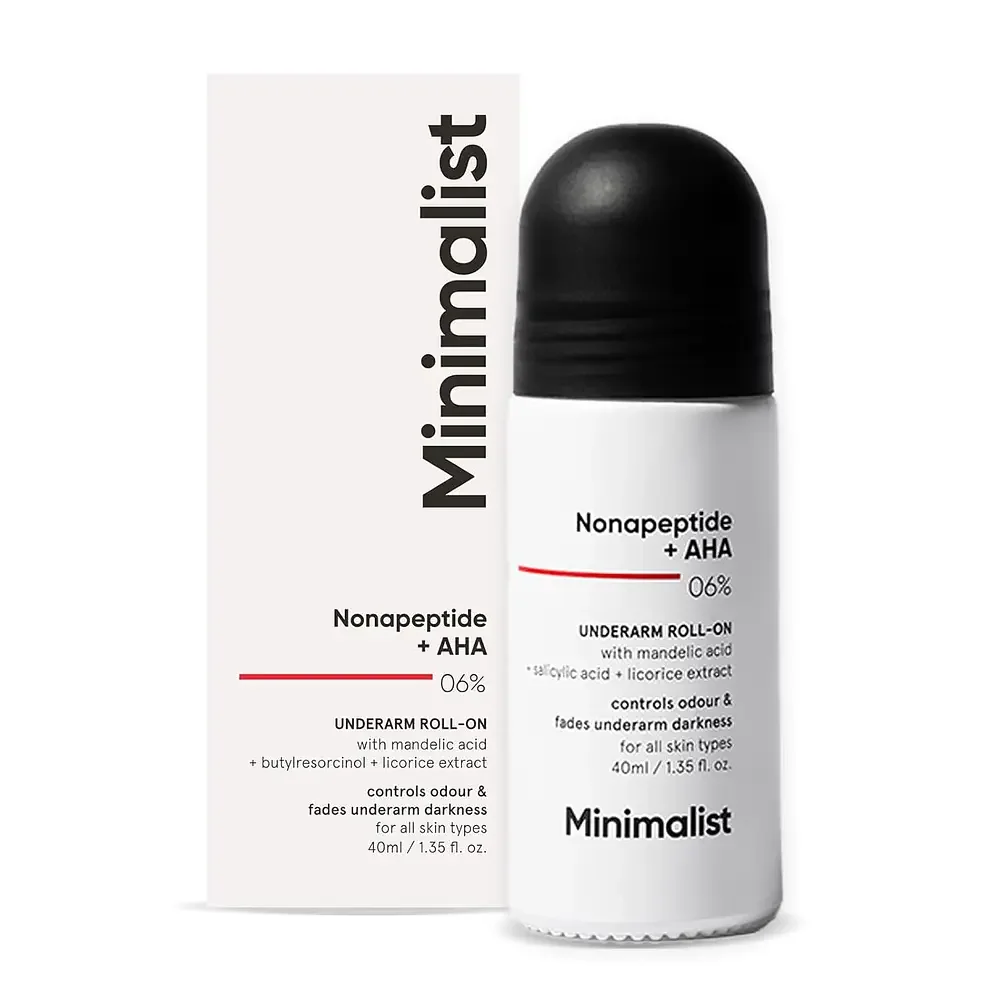
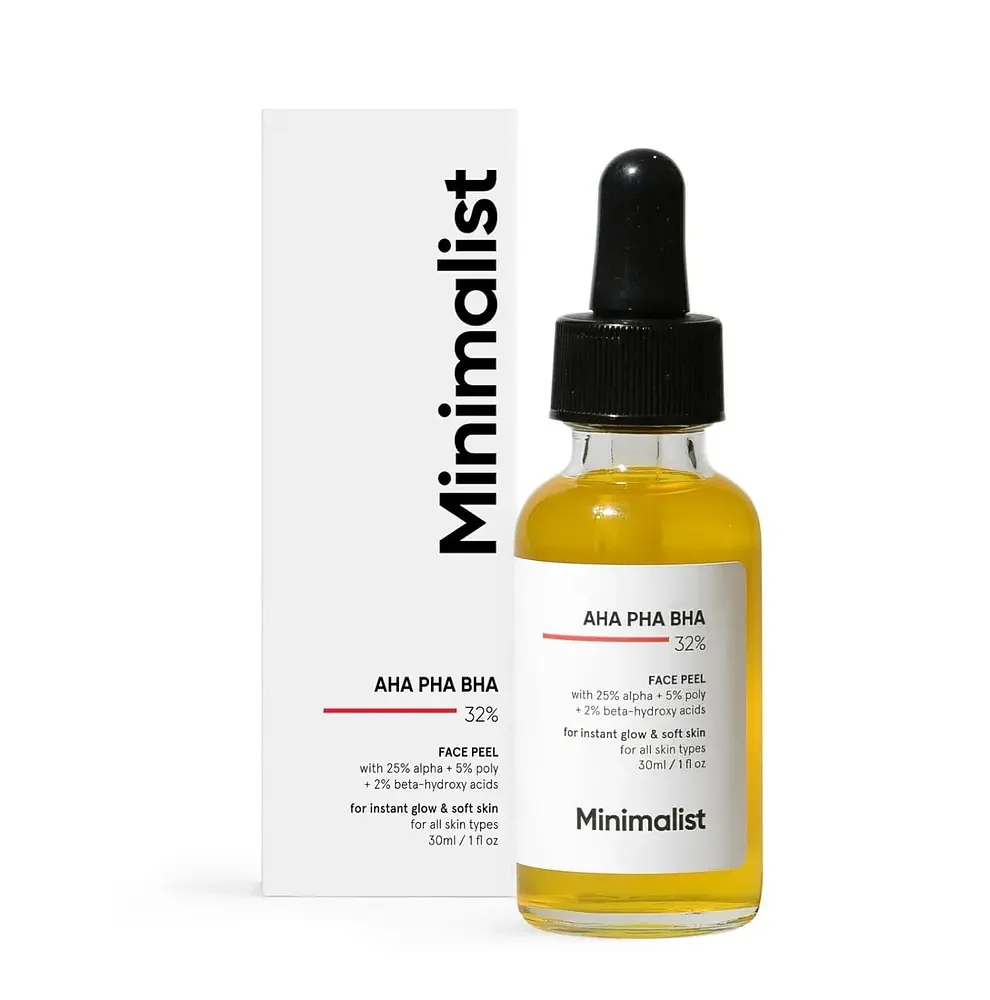
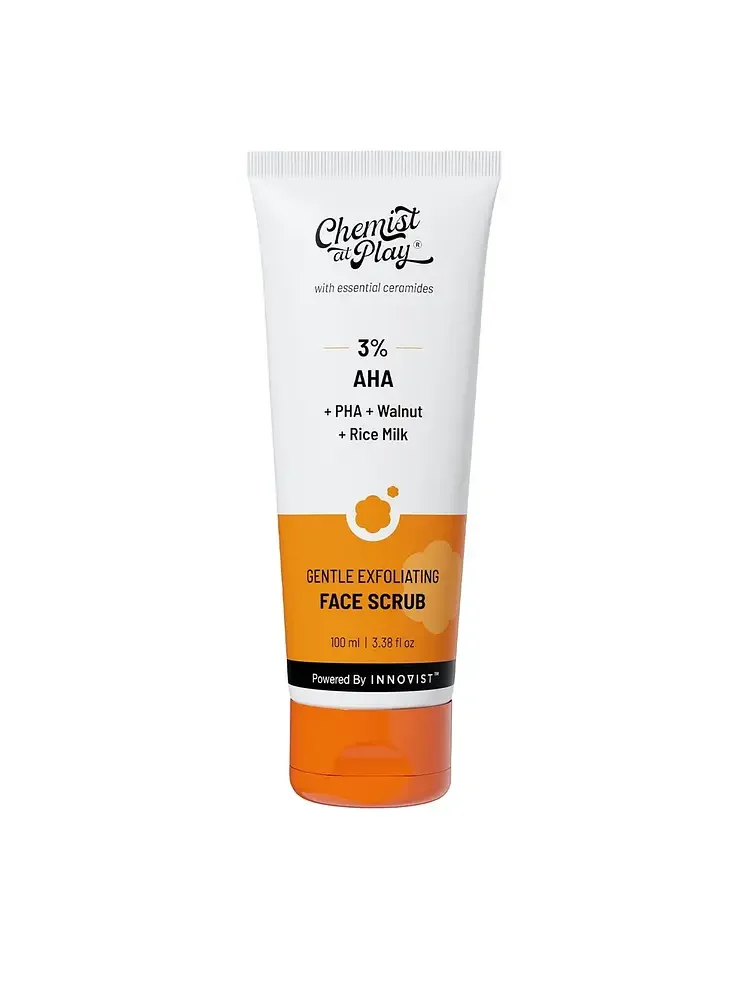
As an Amazon Associate, AllerNote earns from qualifying purchases.
Always scan the actual label before use — formulations change.
What is mandelic acid?
Mandelic acid is an alpha hydroxy acid derived from bitter almonds — and the largest common AHA in skincare, substantially bigger than glycolic or lactic acid. That size makes its molecules penetrate slowly, producing even, gradual, low-inflammation exfoliation: the gentlest AHA you can use.
That gentleness matters most for melanin-rich skin. The biggest hazard when exfoliating brown skin isn't the exfoliation — it's the post-inflammatory hyperpigmentation that follows irritation. Mandelic acid's mild mechanism makes it the AHA most dermatologists recommend for darker skin tones and for anyone prone to dark marks after treatments. It also has mild antibacterial activity, so it doubles as a gentle acne option.
Why it's so well tolerated
The large molecule is the reason: roughly 2–3× the size of glycolic acid, it crosses the skin barrier slowly and triggers little acute inflammation. Most people report minimal stinging, little to no peeling, and no real redness even at 10%.
A few useful notes (none of them allergy in the usual sense, except the first):
- Almond allergy. It's almond-derived; a few people with tree-nut allergy react. Severe almond allergy → patch test first.
- PIH protection. The lowest-inflammation AHA, so the safest for pigment-prone skin.
- Pregnancy. Generally considered acceptable at low strengths (check with your doctor).
- Sun sensitivity. Milder than glycolic, but present — daily SPF.
How to use it well
- Start at 5–7% (many tolerate daily 5%).
- 3–4 times a week, building up.
- At night, with daily SPF.
- Ideal if you've had dark marks from acids, retinol, or acne — the safest AHA restart.
Alternatives
- Stronger: glycolic or lactic acid.
- Even gentler: PHAs (gluconolactone).
- Pores/acne directly: salicylic acid (BHA).
- Severe pigmentation: dermatologist peels, tranexamic acid.
The bottom line
Mandelic acid is the standout exfoliant for melanin-rich and sensitive skin — gentle, low-PIH, and mildly anti-acne. The one genuine allergy flag is its almond origin; otherwise its effects are mild, manageable irritation rather than allergy.
Was this article helpful?
One tap tells us what to write more of. No account needed.
Is this ingredient in your products?
Scan any cosmetic product to check for Mandelic Acid and 30+ other allergens instantly.