
Methylchloroisothiazolinone (MCI)
The more potent half of the "Kathon CG" preservative duo — an older, powerful sensitiser now restricted to rinse-off products in the EU
INCIMethylchloroisothiazolinone
- Category
- Preservative
- Risk level
- high
- Why it's flagged
- Highly potent sensitiser — banned from EU leave-on cosmetics, limited to 15 ppm in rinse-off
- What it is
- The chlorinated isothiazolinone — the more potent sensitiser of the MCI/MI pair
- EU leave-on status
- MCI/MI banned from leave-on cosmetics on the EU market from 16 April 2016
- EU rinse-off limit
- Permitted only in rinse-off, max 0.0015% (15 ppm) of a 3:1 MCI:MI mixture
- Cross-reaction
- A positive patch test to MCI almost always means MI sensitivity too
Look for these names on ingredient lists
This ingredient may appear under any of these names:
Commonly found in
Possible reactions
- Severe, itchy allergic contact dermatitis at the contact site
- Facial and eyelid swelling (historically, from leave-on products)
- Scalp and neck irritation from shampoos and conditioners
- Hand dermatitis from soaps, wipes, and cleaners
- A rash that worsens with continued product use
Top picks without Methylchloroisothiazolinone (MCI)
Highly rated products whose ingredient lists don't include Methylchloroisothiazolinone (MCI).
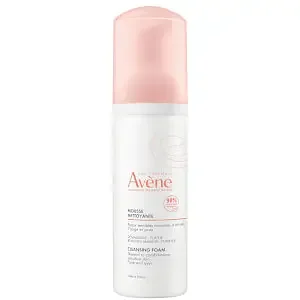
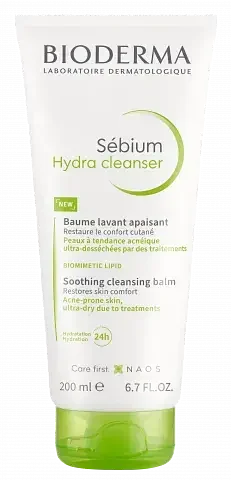
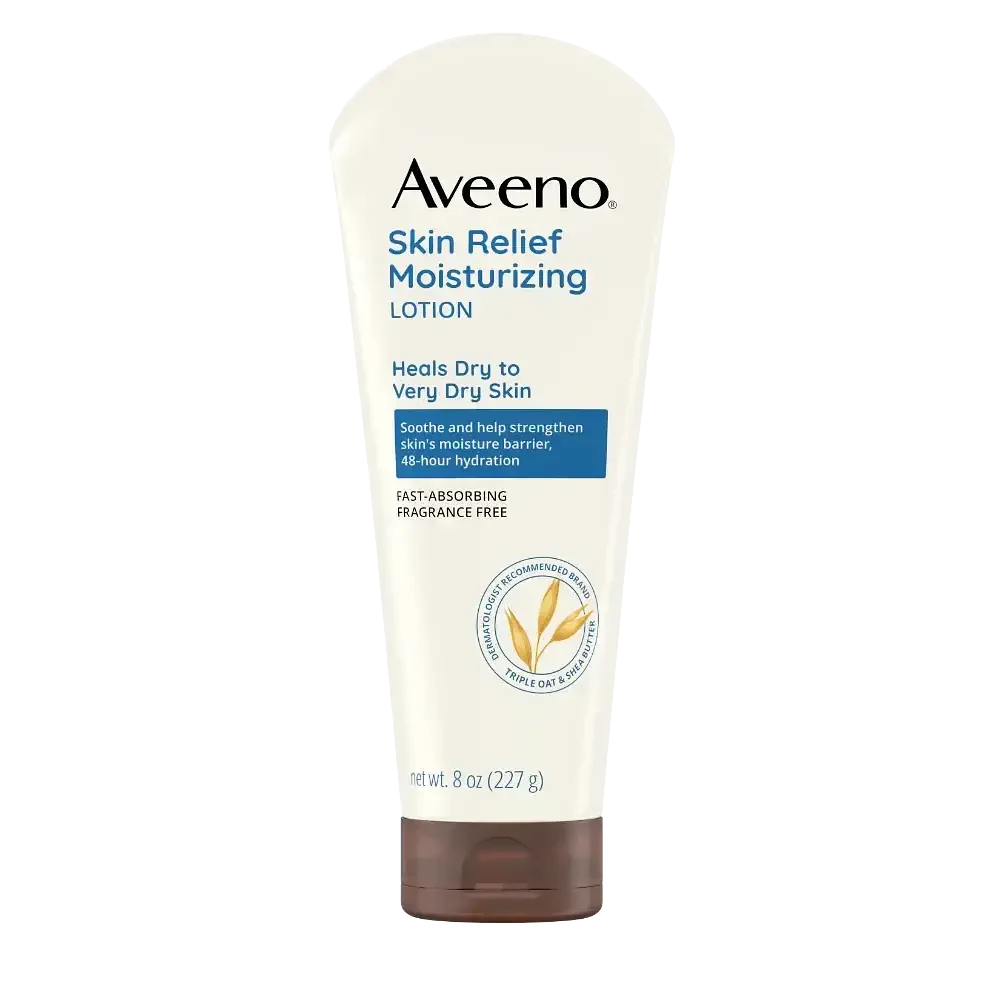
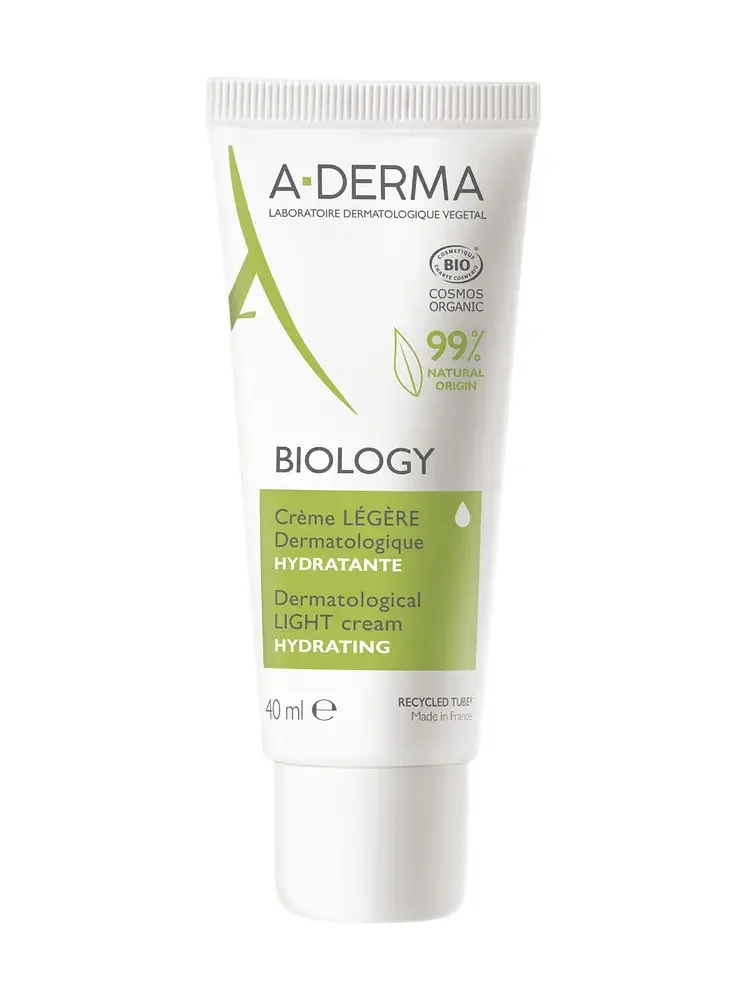
As an Amazon Associate, AllerNote earns from qualifying purchases.
Always scan the actual label before use — formulations change.
Scan a product for this concern
What is methylchloroisothiazolinone?
Methylchloroisothiazolinone (MCI) is a chlorinated member of the isothiazolinone preservative family. It has been used in cosmetics and household products since the 1970s, almost always in combination with its cousin methylisothiazolinone (MI) in a roughly 3:1 MCI:MI blend marketed as "Kathon CG." Together they kill bacteria, mould, and yeast extremely effectively at tiny concentrations.
Of the two, MCI is the more potent sensitiser. It was the original troublemaker: contact allergy to the MCI/MI blend was being reported well before MI-on-its-own became a problem in the 2010s. If you've inherited an allergy from this preservative class, MCI is often where it started.
Why MCI causes such strong reactions
MCI consistently ranks among the top preservative allergens in North American and European patch-test data. A few reasons it hits hard:
- Potency at low doses. Because it works at parts-per-million levels, even "lightly preserved" products can carry enough to sensitise a susceptible person over time.
- Severe leave-on reactions. When MCI/MI was still permitted in leave-on products, reactions were often dramatic — facial dermatitis, eyelid swelling, and widespread rash. This is largely what drove the EU to act.
- Cumulative everyday exposure. It turns up across shampoos, conditioners, hand soaps, wipes, and cleaning sprays, so daily life can deliver repeated small doses from several directions at once.
The EU restriction, in plain terms
Regulators treated the MCI/MI mixture as a single problem:
- It was banned from leave-on cosmetics on the EU market from 16 April 2016.
- It remains permitted only in rinse-off products, at a maximum of 0.0015% (15 ppm) of the 3:1 MCI:MI mixture.
So in the EU, MCI should be gone from your moisturiser and makeup, but it can still legally appear in rinse-off products and household cleaners. (Note the separate, slightly later timeline for MI alone, covered on the MI page.)
MCI and MI go together
This is the single most useful thing to remember: if you react to MCI, assume you react to MI too. They are chemically related, almost always formulated as a pair, and cross-reactivity on patch testing is the norm rather than the exception. Avoiding one while using the other defeats the purpose.
When I was first learning to read labels, "Kathon CG" threw me — it's a brand name, not an INCI name, so it doesn't always look like the chemicals it contains. If your derm report or a product lists Kathon CG, mentally translate it to "MCI + MI" and avoid both. AllerNote stores it as a synonym so a scan flags it either way. — Snehal
How to spot and avoid MCI
- Read the full list for Methylchloroisothiazolinone, Methylisothiazolinone, MCI, MI, or Kathon CG.
- Focus on rinse-off cosmetics — shampoo, conditioner, body wash, hand soap — since that's where it's still allowed in the EU.
- Check household cleaners and wear gloves; hand dermatitis is a common MCI presentation.
- Be careful with imported leave-on products from regions without the EU leave-on ban.
- Prefer alternative preservation — phenoxyethanol, sodium benzoate, potassium sorbate, or ethylhexylglycerin.
When to see a dermatologist
A persistent, itchy rash that flares with product use or eases when you travel is worth investigating. MCI/MI sits on standard baseline patch-test series, so a dermatologist can confirm it directly. Once confirmed, you can methodically clear it from your routine and your cleaning cupboard.
The bottom line
MCI is the potent, older half of a preservative pair that earned its restrictions the hard way. The EU's leave-on ban removes it from most cosmetics that stay on your skin, but rinse-off products and household cleaners remain fair game — and wherever you find MCI, treat MI as present too.
Was this article helpful?
One tap tells us what to write more of. No account needed.
Is this ingredient in your products?
Scan any cosmetic product to check for Methylchloroisothiazolinone (MCI) and 30+ other allergens instantly.