
Methylisothiazolinone (MI)
The preservative behind a documented allergy "epidemic" — now banned from EU leave-on cosmetics, but still common in rinse-off and household products
INCIMethylisothiazolinone
- Category
- Preservative
- Risk level
- high
- Why it's flagged
- One of the most potent modern preservative allergens — banned from EU leave-on cosmetics since 2017
- EU leave-on status
- Banned in leave-on cosmetics from 12 February 2017 (Regulation (EU) 2016/1198)
- EU rinse-off limit
- Maximum 0.0015% (15 ppm), tightened by Regulation (EU) 2017/1224
- Why it is notorious
- Named the American Contact Dermatitis Society "Allergen of the Year" 2013 after a sharp rise in cases
- Closely linked allergen
- Methylchloroisothiazolinone (MCI) — used together as "Kathon CG"; reacting to one usually means reacting to both
Look for these names on ingredient lists
This ingredient may appear under any of these names:
Commonly found in
Possible reactions
- Intense itching and redness, often on the face, hands, or scalp
- Eczema-like rash that can spread beyond the contact area
- Eyelid swelling (classically from rinse-off products that run onto the face)
- Blistering or weeping in severe reactions
- Hand dermatitis from wipes, soaps, and cleaning products
Top picks without Methylisothiazolinone (MI)
Highly rated products whose ingredient lists don't include Methylisothiazolinone (MI).
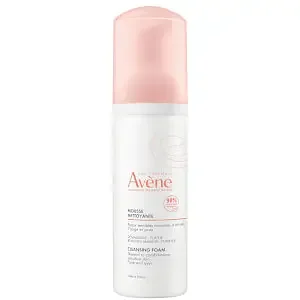
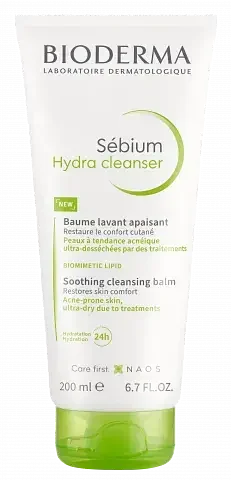
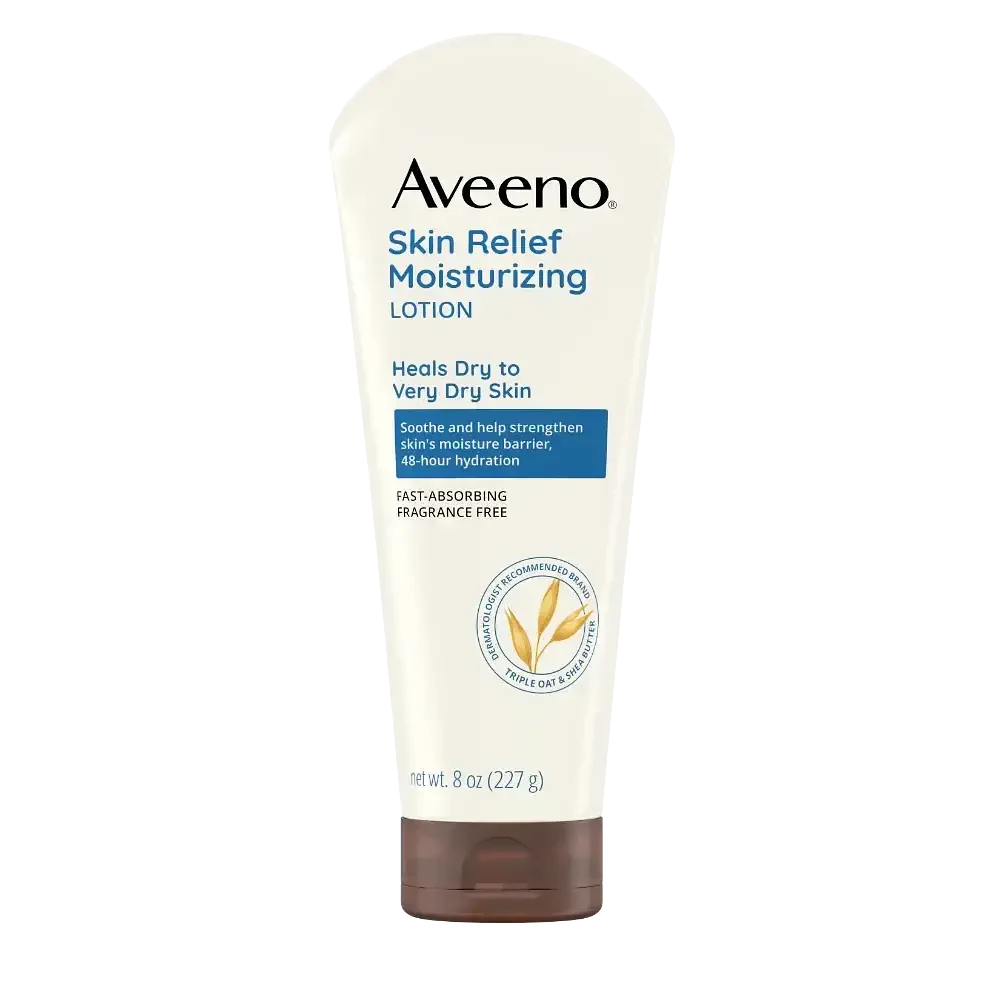
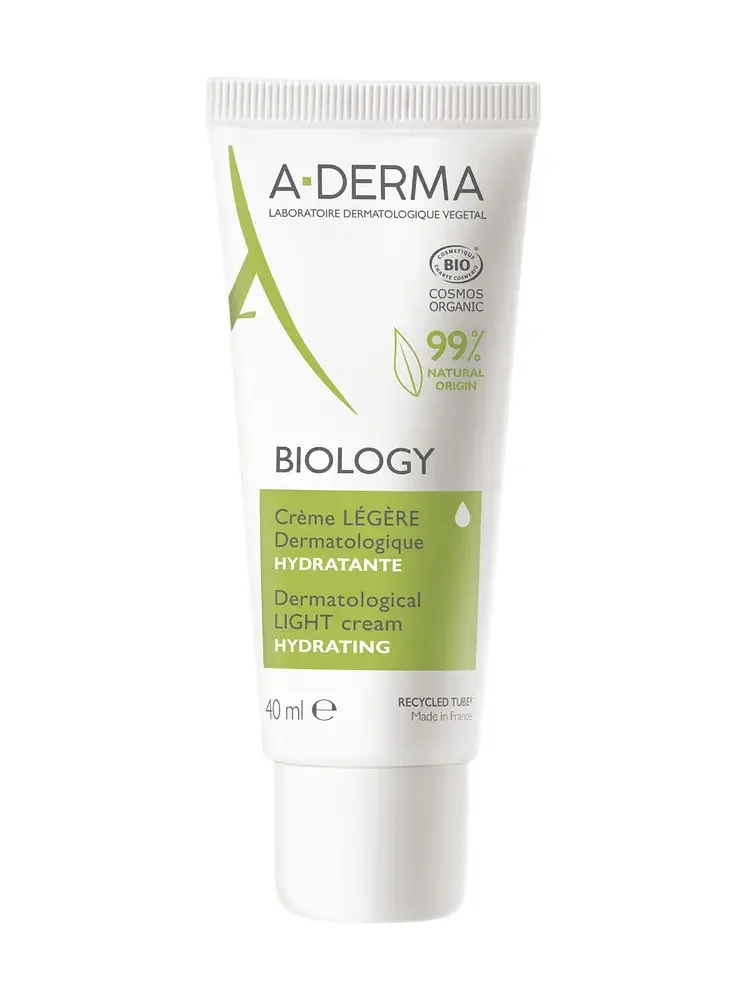
As an Amazon Associate, AllerNote earns from qualifying purchases.
Always scan the actual label before use — formulations change.
Scan a product for this concern
What is methylisothiazolinone?
Methylisothiazolinone (MI, or MIT) is a synthetic preservative that stops bacteria, mould, and yeast from growing in water-based products. It belongs to the isothiazolinone family and works at very low concentrations, which made it cheap and convenient when the industry began moving away from parabens and formaldehyde-releasing preservatives in the 2000s.
That convenience came at a cost. MI is also a strong skin sensitiser, and its rapid adoption — especially in leave-on products and wet wipes — set off one of the best-documented contact-allergy surges in modern dermatology.
The MI allergy "epidemic"
Through the early 2010s, patch-test clinics across Europe and North America reported a steep climb in MI-positive reactions, to the point that researchers openly called it an epidemic. The American Contact Dermatitis Society named MI its "Allergen of the Year" in 2013 — a designation reserved for allergens causing significant, often under-recognised harm.
The pattern was striking: people developed itchy, spreading rashes on the face, eyelids, hands, and scalp, and the cause was frequently a "gentle" moisturiser or a packet of baby wipes. Because MI sensitises at low doses, everyday repeated exposure was enough to tip many people over the edge.
How the EU responded (and why timing matters)
European regulators acted in two steps, and the dates explain a confusion many allergic people run into:
- MCI/MI mixture (the older "Kathon CG" blend) was banned from leave-on cosmetics on the EU market from 16 April 2016.
- MI on its own was banned from leave-on cosmetics from 12 February 2017 (Regulation (EU) 2016/1198).
- MI in rinse-off products was then tightened to a maximum of 0.0015% (15 ppm) by Regulation (EU) 2017/1224.
The practical upshot: in the EU, your moisturiser, sunscreen, and makeup should now be MI-free, but your shampoo, conditioner, and body wash can still legally contain it. Outside the EU — including in the United States — MI can still appear in leave-on products, so imported items deserve a closer look.
Where MI still hides
If you are MI-allergic, cosmetics are only half the problem. Common ongoing sources include:
- Rinse-off cosmetics — shampoo, conditioner, liquid soap, body wash
- Wet wipes — baby wipes, facial wipes, and surface wipes were a major historical trigger
- Household products — dishwashing liquid, surface sprays, and other cleaners
- Water-based paints — a classic cause of airborne facial dermatitis after redecorating
One of the more surprising MI reactions is a facial rash that appears days after painting a room. Modern water-based paints are often preserved with isothiazolinones, which off-gas as the paint dries. If you're MI-allergic and your face flares with no new product to blame, ask what was recently painted nearby.
How to spot it on a label
Look for any of these:
- Methylisothiazolinone, MI, or MIT
- 2-Methyl-4-isothiazolin-3-one (chemical name)
- Kathon CG (the trade name for the MI + MCI blend)
- Related isothiazolinones worth treating with caution if you react: benzisothiazolinone (BIT) and octylisothiazolinone (OIT), common in household and industrial products
How to avoid reactions
- Scrutinise rinse-off products — this is where MI is still legal in the EU. Switch shampoo, conditioner, and body wash to MI-free options.
- Choose preservative-free or alternatively-preserved wipes, or use a washcloth and water for sensitive skin.
- Wear gloves for cleaning and check dishwashing/surface products, which are a frequent source of hand dermatitis.
- Look for products preserved with phenoxyethanol, sodium benzoate, potassium sorbate, or ethylhexylglycerin instead.
When to see a dermatologist
If you have a persistent itchy rash — particularly on the hands, face, or eyelids — that improves on holiday or flares with specific products, ask about patch testing. MI and MCI/MI are standard on most baseline patch-test series. Confirming the allergy lets you eliminate exposure systematically rather than guessing, including the non-cosmetic sources that are easy to miss.
The bottom line
Methylisothiazolinone is a genuinely high-impact allergen — not because it is uniquely "toxic," but because it sensitises readily and is still everywhere in rinse-off and household products. If you're sensitive, the EU leave-on ban does a lot of the work for you in cosmetics; the remaining job is your shampoo, your wipes, and the cupboard under the sink.
Was this article helpful?
One tap tells us what to write more of. No account needed.
Is this ingredient in your products?
Scan any cosmetic product to check for Methylisothiazolinone (MI) and 30+ other allergens instantly.