
Octinoxate
A common UVB filter being phased out — reef-banned, mildly hormone-active in the lab, and a cinnamate worth noting if you have fragrance allergy
INCIEthylhexyl Methoxycinnamate
- Category
- Sunscreen / UV Filter
- Risk level
- medium
- What it does
- Absorbs UVB (280–320 nm); provides essentially no UVA protection on its own
- Reef-banned
- Banned with oxybenzone in Hawaii, Key West, Palau, Aruba, and Bonaire
- Hormone question
- Weak estrogenic activity in lab/animal studies; human relevance at use levels is debated
- Max concentration
- Up to 10% in the EU; up to 7.5% in the US
Look for these names on ingredient lists
This ingredient may appear under any of these names:
Commonly found in
Possible reactions
- Contact or photoallergic dermatitis (uncommon)
- Rash in sun-exposed areas after application
- Possible relevance if you have cinnamate / fragrance allergy
- Loss of protection if combined with unstabilised avobenzone
Top picks without Octinoxate
Highly rated products whose ingredient lists don't include Octinoxate.
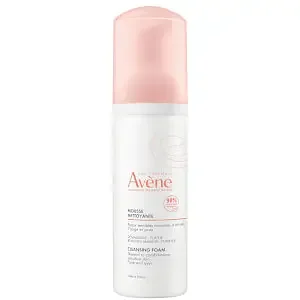
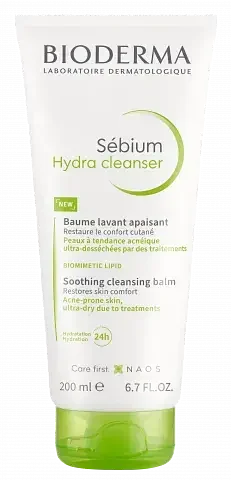
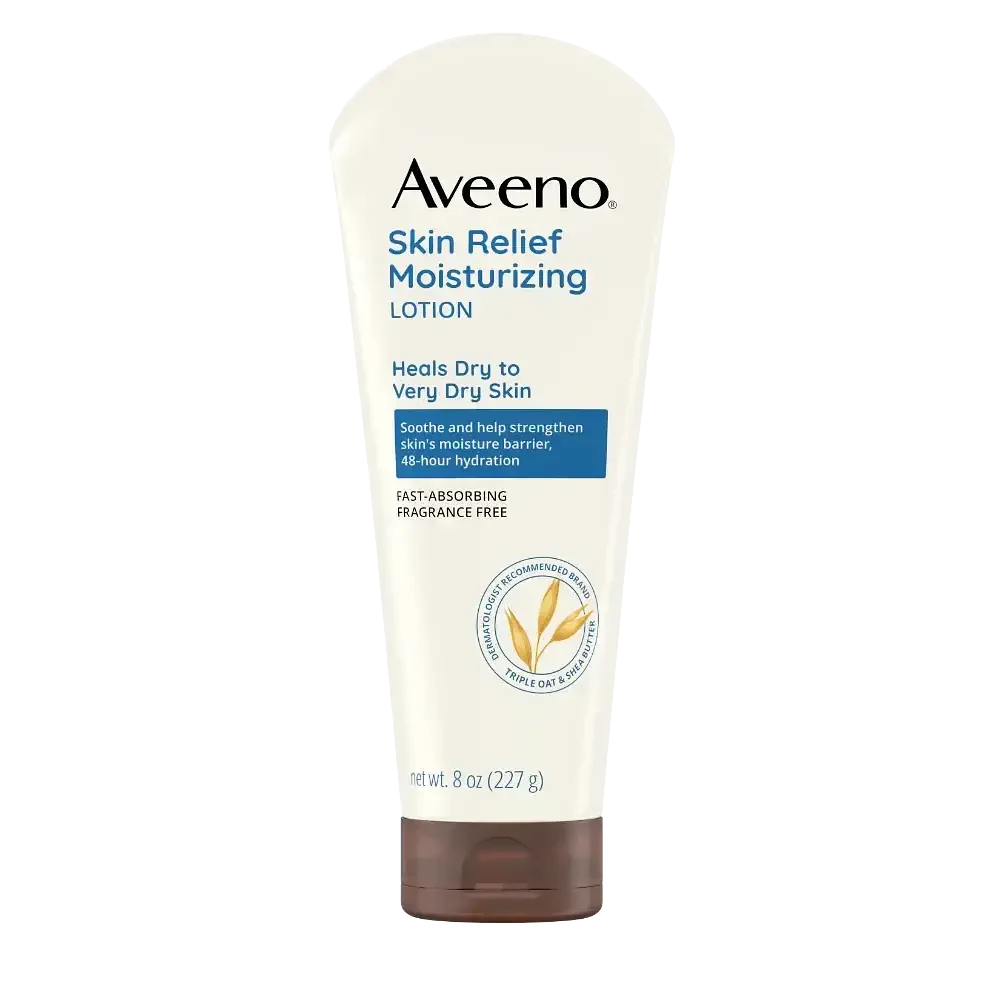
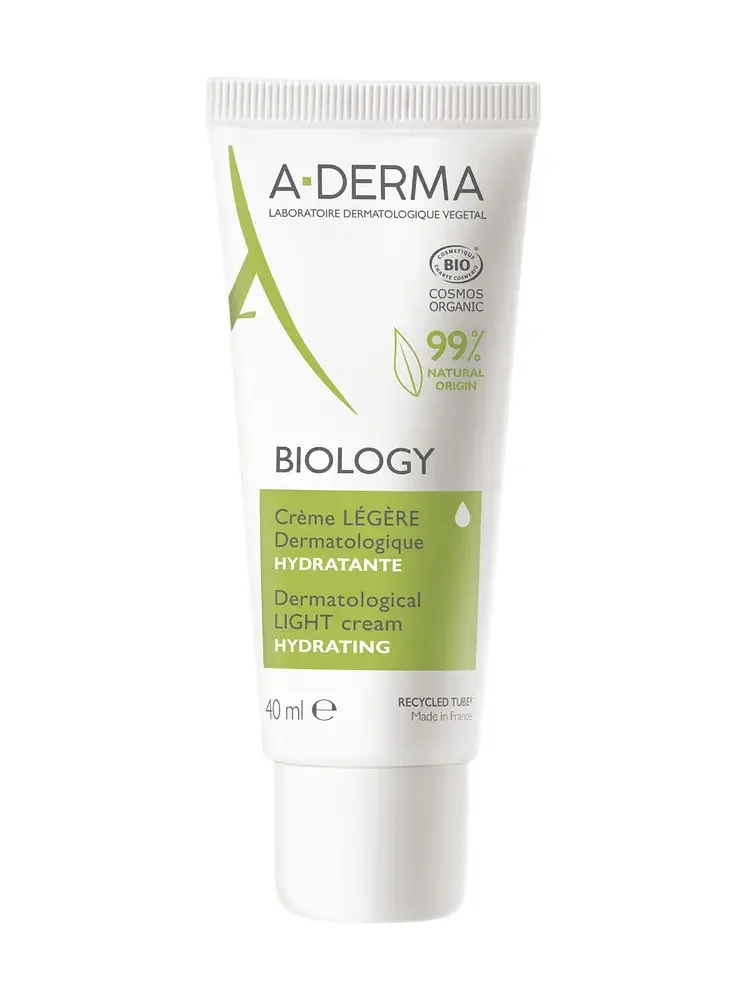
As an Amazon Associate, AllerNote earns from qualifying purchases.
Always scan the actual label before use — formulations change.
Scan a product for this concern
What is octinoxate?
Octinoxate (INCI: Ethylhexyl Methoxycinnamate, also OMC) is a chemical UVB filter that has been one of the most common sunscreen actives for decades. It absorbs UVB (280–320 nm) to prevent burning, is oil-soluble and cosmetically elegant, and leaves no white cast — which is why it spread into tinted moisturisers, BB creams, and everyday SPF. What it does not do is protect against UVA, so it's always meant to be paired with a UVA filter.
It's also one of the more controversial filters, and as a result it's slowly being phased out in favour of newer alternatives.
Why it's falling out of favour
Four separate issues stack up:
- Reef bans. Along with oxybenzone, octinoxate is banned from sale in Hawaii, Key West, Palau, Aruba, and Bonaire over evidence it contributes to coral bleaching.
- Hormone activity. Lab and animal studies show weak estrogenic effects and some possible thyroid activity. Human exposure from topical use is much lower, and the real-world significance is debated — but it's enough that regulators cap concentrations and many brands have moved on.
- Photo-instability. Octinoxate degrades in sunlight, especially when combined with avobenzone, so older octinoxate+avobenzone formulas could lose protection unless carefully stabilised.
- Absorption. Like several chemical filters, FDA studies found measurable blood absorption; as with oxybenzone, that flags a need for more data rather than proving harm.
Keeping these honest: none individually says "octinoxate is dangerous to you today." Together they explain why the industry is replacing it.
The cinnamate connection (worth a mention)
Octinoxate is a cinnamate — chemically, ethylhexyl methoxycinnamate. For most people that's irrelevant, but if you have a known allergy to cinnamates or fragrance markers (such as cinnamal or balsam of Peru), it's reasonable to flag octinoxate to your dermatologist. Cross-reactivity isn't guaranteed, but the structural family overlap is a genuine, if uncommon, consideration — exactly the kind of link that's easy to miss.
How to spot and avoid it
- Read the actives panel for Ethylhexyl Methoxycinnamate, Octyl Methoxycinnamate, or OMC.
- For reef travel, switch to mineral (zinc oxide) sunscreen.
- In pregnancy, mineral filters are the conservative default.
- If you have cinnamate/fragrance allergy and react to a sunscreen, consider octinoxate as a possible contributor.
- Don't drop sun protection to avoid it — just choose a different filter system.
Safer alternatives
- Mineral filters: zinc oxide, titanium dioxide — reef-friendly, low allergy, the conservative pregnancy choice.
- Newer broad-spectrum filters (EU/UK/Asia): Tinosorb S/M, Uvinul A Plus, Mexoryl — stable, broad coverage, though not all are FDA-approved in the US, so availability varies by region.
The bottom line
Octinoxate is an effective UVB filter on its way out — pushed by reef bans, a hormone-activity question, photo-instability, and better replacements. For most people it's a "reasonable to move on from" ingredient rather than an emergency; mineral and newer filters are the natural upgrades, and the cinnamate link is a small but real flag for the fragrance-allergic.
Was this article helpful?
One tap tells us what to write more of. No account needed.
Is this ingredient in your products?
Scan any cosmetic product to check for Octinoxate and 30+ other allergens instantly.