
Octocrylene
The chemical filter that keeps avobenzone working — generally well tolerated, but a notable cross-reactor with the painkiller ketoprofen
INCIOctocrylene
- Category
- Sunscreen / UV Filter
- Risk level
- low
- Key job
- Stabilises avobenzone (absorbs the energy it sheds) and adds water resistance
- Allergy note
- One of the more notable chemical-filter allergens/photoallergens, though still uncommon (~0.5–1%)
- Ketoprofen link
- Cross-reacts with the NSAID ketoprofen — ketoprofen-allergic people should avoid it
- Benzophenone
- Degraded/old product can form trace benzophenone — don't use expired sunscreen
Look for these names on ingredient lists
This ingredient may appear under any of these names:
Commonly found in
Possible reactions
- Contact dermatitis in ~0.5–1% of users
- Photoallergic contact dermatitis (sun-triggered rash)
- Mild stinging in some users
- Cross-reactions in people allergic to ketoprofen (an NSAID)
Top picks with Octocrylene
Highly rated products that feature Octocrylene in their ingredient list.
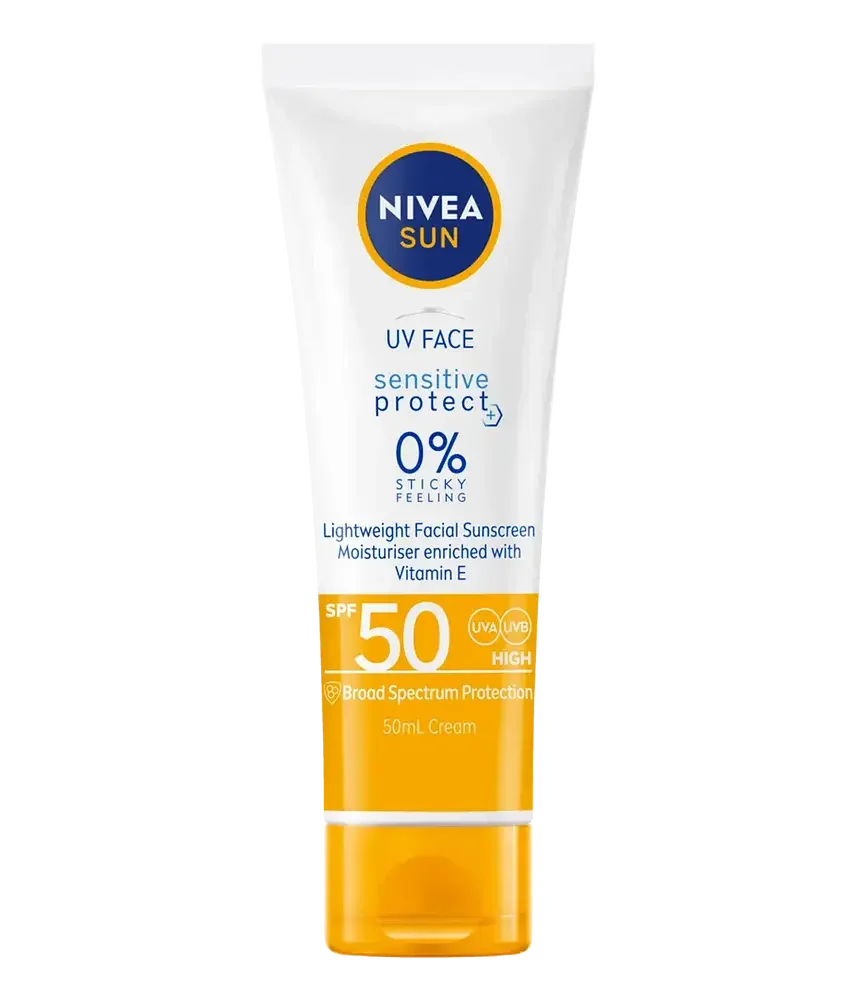
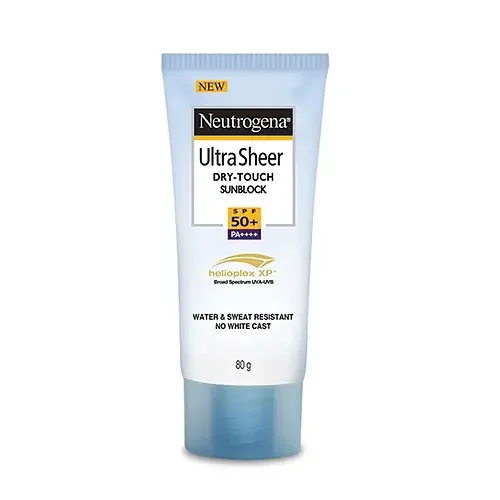

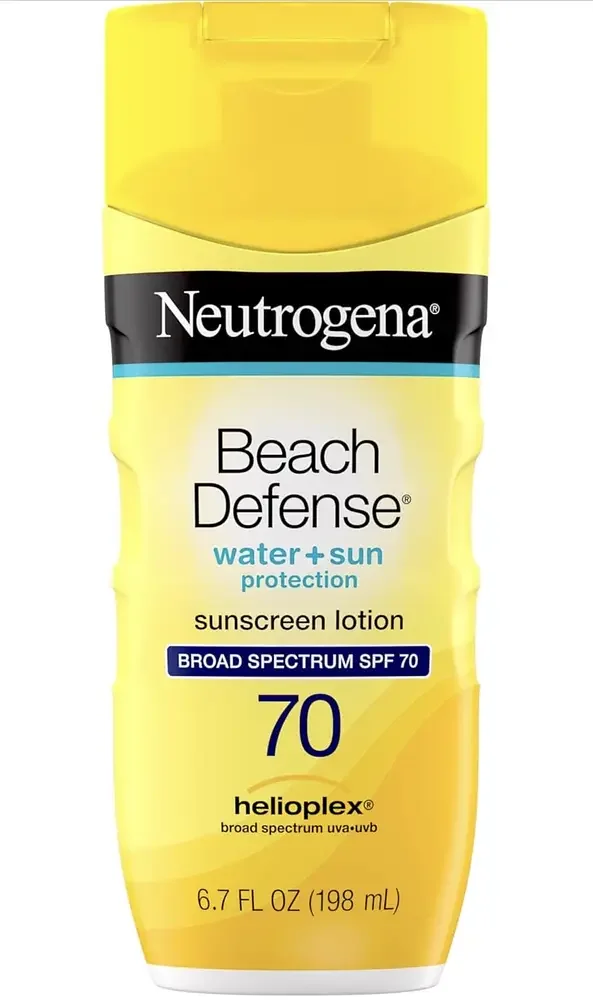
As an Amazon Associate, AllerNote earns from qualifying purchases.
Always scan the actual label before use — formulations change.
Scan a product for this concern
What is octocrylene?
Octocrylene is a chemical UV filter that absorbs UVB and short UVA. On its own it's only moderately protective — its most important role is stabilising avobenzone, the main UVA filter in most chemical sunscreens. Octocrylene soaks up the energy avobenzone releases as it breaks down, extending avobenzone's working life from under an hour to several hours. Without it (or a similar stabiliser), chemical sunscreens would lose most of their UVA protection quickly.
It's also oil-soluble and film-forming, which makes it the backbone of most "water-resistant" and "sport" sunscreens.
Mostly low-risk, with two specific flags
Octocrylene has decades of safety data and is approved worldwide. Contact dermatitis runs around 0.5–1% — slightly higher than some filters, but still uncommon. Two specifics are worth knowing:
- Ketoprofen cross-reactivity (the big one). Octocrylene cross-reacts with ketoprofen, an NSAID used in topical gels and orally. People allergic to ketoprofen frequently react to octocrylene — often as photoallergic (sun-triggered) dermatitis — and vice versa. If you've reacted to ketoprofen, avoid octocrylene.
- Benzophenone in degraded product. Octocrylene can slowly degrade and form trace benzophenone (a compound with some safety questions), especially in old or heat-damaged sunscreen. Fresh product has minimal levels.
It's generally considered acceptable in pregnancy, and is less reef-implicated than oxybenzone.
This is the kind of cross-link that's easy to miss: a sun-triggered rash from sunscreen, in someone who once reacted to a ketoprofen pain gel, points straight at octocrylene. If that's you, switch to a mineral or Tinosorb/Mexoryl-based sunscreen.
How to use it well
- Use fresh sunscreen — replace yearly; never use expired bottles.
- Store cool — heat accelerates degradation.
- Reapply every ~2 hours outdoors; water resistance isn't permanent.
- Apply generously — two finger-lengths for face and neck.
- Patch test / avoid if ketoprofen-allergic.
Alternatives
- Sensitive skin / ketoprofen allergy: mineral sunscreens (zinc oxide, titanium dioxide).
- Elegant, stable chemical option (EU/Asia): Tinosorb S/M or Mexoryl-based formulas (note: not all FDA-approved in the US).
- Pregnancy: zinc oxide.
The bottom line
Octocrylene is the quiet enabler of chemical sunscreens — it keeps avobenzone alive and adds water resistance — and for most people it's low-risk. The two things to remember: don't use it if you're ketoprofen-allergic, and don't use old/overheated sunscreen.
Was this article helpful?
One tap tells us what to write more of. No account needed.
Is this ingredient in your products?
Scan any cosmetic product to check for Octocrylene and 30+ other allergens instantly.