
Parthenium (Whitetop Weed)
A globally invasive weed and a major cause of airborne contact dermatitis — the rash that lands on exposed skin without touching anything
INCIParthenium Hysterophorus
- Category
- Plant / Botanical
- Risk level
- high
- Globally invasive
- Native to the Americas, now a serious invasive weed across the southern US, Central/South America, Australia, Africa and South Asia
- Airborne, not contact
- Pollen and fine plant particles settle on skin — so the rash appears on exposed sites without anyone touching the plant
- The allergen
- Parthenin, a sesquiterpene lactone — which is why it cross-reacts with the Compositae (daisy) family
- Ragweed relative
- An Asteraceae weed related to ragweed; "false ragweed" is one of its common names
Look for these names on ingredient lists
This ingredient may appear under any of these names:
Commonly found in
Possible reactions
- Airborne dermatitis on exposed skin (face, neck, arms, eyelids)
- Severe itching and redness, worse in warm months
- Eyelid swelling and a classic exposed-site pattern
- Seasonal flares during flowering; can become chronic
Top picks without Parthenium (Whitetop Weed)
Highly rated products whose ingredient lists don't include Parthenium (Whitetop Weed).
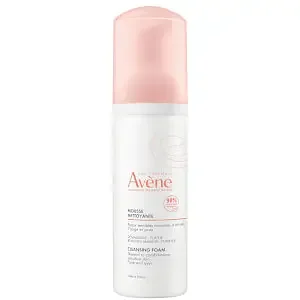
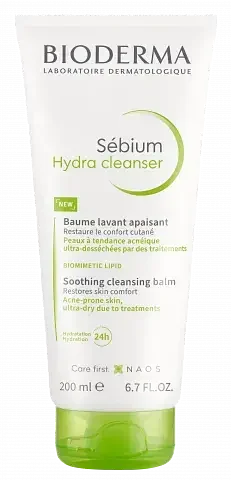
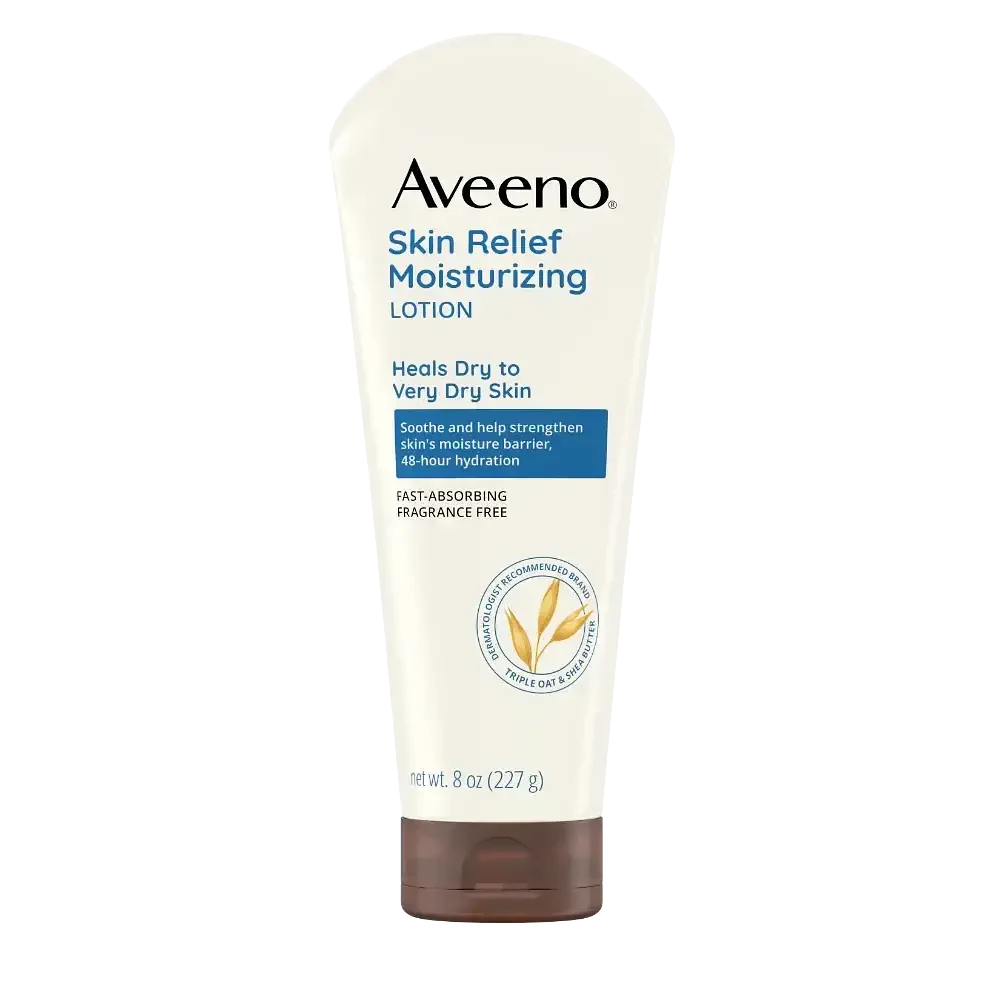
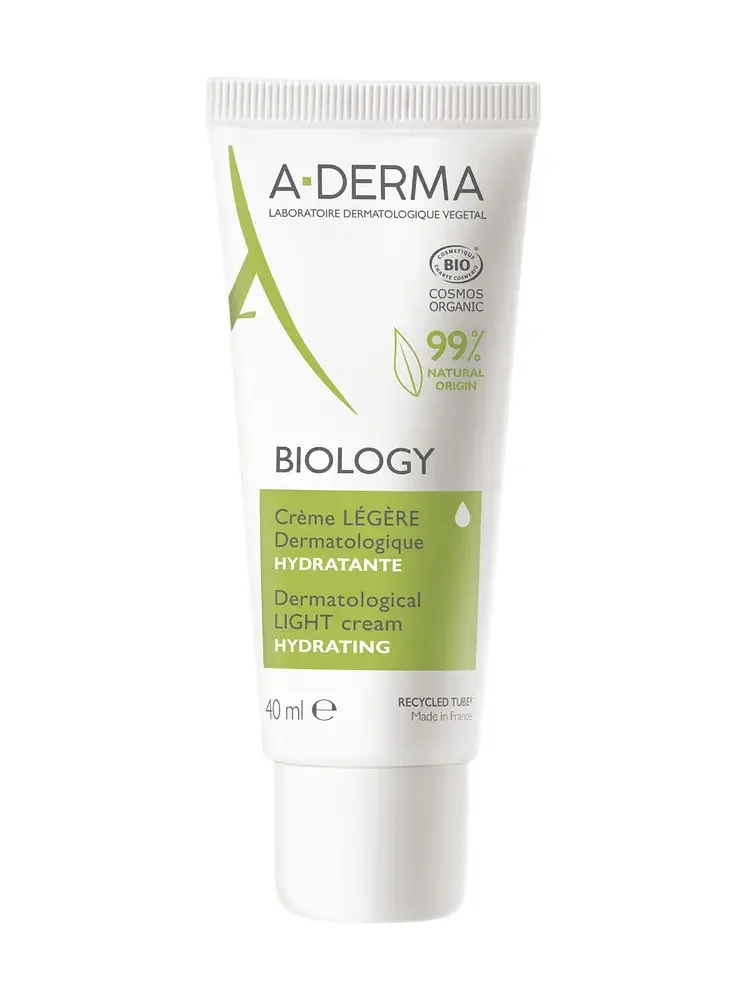
As an Amazon Associate, AllerNote earns from qualifying purchases.
Always scan the actual label before use — formulations change.
What is parthenium?
Parthenium hysterophorus — commonly called whitetop weed, Santa Maria feverfew, false ragweed or carrot grass — is an aggressively invasive weed in the Asteraceae (daisy) family. Native to the Americas, it has spread across the southern United States and the Gulf region, Central and South America, Australia, Africa and South Asia, colonising roadsides, wasteland, fields and vacant urban lots. It produces abundant pollen and is rich in sesquiterpene lactones — potent allergens.
It isn't a cosmetic ingredient. Its relevance here is twofold: it's a leading cause of airborne contact dermatitis where it's established, and it can contaminate poorly sourced "herbal"/"natural" preparations if plant material is carelessly collected.
Why it causes reactions
Parthenium's principal allergen is parthenin, a sesquiterpene lactone whose reactive α-methylene-γ-lactone group binds skin proteins to drive Type IV delayed hypersensitivity. Once sensitised, even tiny amounts of pollen or plant particle can trigger a reaction. Two features make it distinctive:
- Airborne exposure. Unlike most allergens, it reaches you through the air — settling on exposed skin — so the rash appears on uncovered sites (face, neck, forearms, eyelids) and spares skin under clothing. Eyelid involvement is classic.
- Seasonality. Flowering peaks in warm, humid conditions, so symptoms surge in the growing season and ease in cooler months — a helpful clue that separates it from year-round cosmetic allergy.
Because parthenin is a sesquiterpene lactone, parthenium cross-reacts with the broader Compositae family (chamomile, feverfew, arnica), and as a ragweed relative it sits among the airborne Asteraceae allergens.
If a rash sits on the face, neck and forearms, spares skin under clothing, and worsens in the warm growing season, think airborne plant exposure — not just cosmetics. Parthenium dermatitis is routinely misattributed to soaps and creams for months before the environmental cause is recognised.
Where exposure happens
- Airborne pollen/particles — the dominant route; outdoors in infested areas, on windy days.
- Direct contact — handling the plant while gardening or clearing land.
- Contaminated herbal products — uncertain-origin botanicals that may include the weed.
How to reduce exposure
- Limit time outdoors during flowering, especially when it's windy.
- Cover exposed skin — long sleeves, a hat, sunglasses.
- Rinse after being outside — wash face and forearms to remove settled particles.
- Be cautious with unbranded herbal products if you're sensitised.
- Patch test to confirm parthenium/Compositae allergy and rule out cosmetic causes.
Safer alternatives / management
- Stay indoors at peak pollen during the growing season where practical.
- Barrier measures — clothing cover and prompt washing reduce particle load.
- Verified-source herbal products over loose, unbranded powders.
- Dermatology input — for confirmed allergy, an exposed-site management plan helps.
The bottom line
Parthenium is a globally invasive daisy-family weed whose sesquiterpene lactone, parthenin, makes it a major cause of airborne contact dermatitis — an exposed-site, seasonal rash that's easily mistaken for a cosmetic allergy. It cross-reacts with the Compositae family, so if you're daisy-allergic and live where it's established, a warm-season facial rash is worth investigating and patch testing.
Was this article helpful?
One tap tells us what to write more of. No account needed.
Is this ingredient in your products?
Scan any cosmetic product to check for Parthenium (Whitetop Weed) and 30+ other allergens instantly.