
Phytosphingosine
A ceramide precursor with mild antibacterial action — quietly useful when your skin is both broken-out and broken-down
INCIPhytosphingosine
- Category
- Barrier
- Risk level
- low
- Ceramide precursor
- A building block your skin uses to make its own ceramides — barrier support from the ground up
- Mild antimicrobial
- Has gentle activity against Cutibacterium acnes, the bacterium implicated in acne
- Bridges two worlds
- Rare in being suitable for both barrier repair AND acne-prone skin, where most ingredients suit only one
- Potent at low %
- Clinically effective around 0.1–1%; a high spot on the label isn't needed
Look for these names on ingredient lists
This ingredient may appear under any of these names:
Commonly found in
Possible reactions
- No meaningful record of allergic reactions
- Very rare mild stinging at high concentrations
- No irritation in typical clinical use
- Safe for sensitive and acne-prone skin
Top picks with Phytosphingosine
Highly rated products that feature Phytosphingosine in their ingredient list.
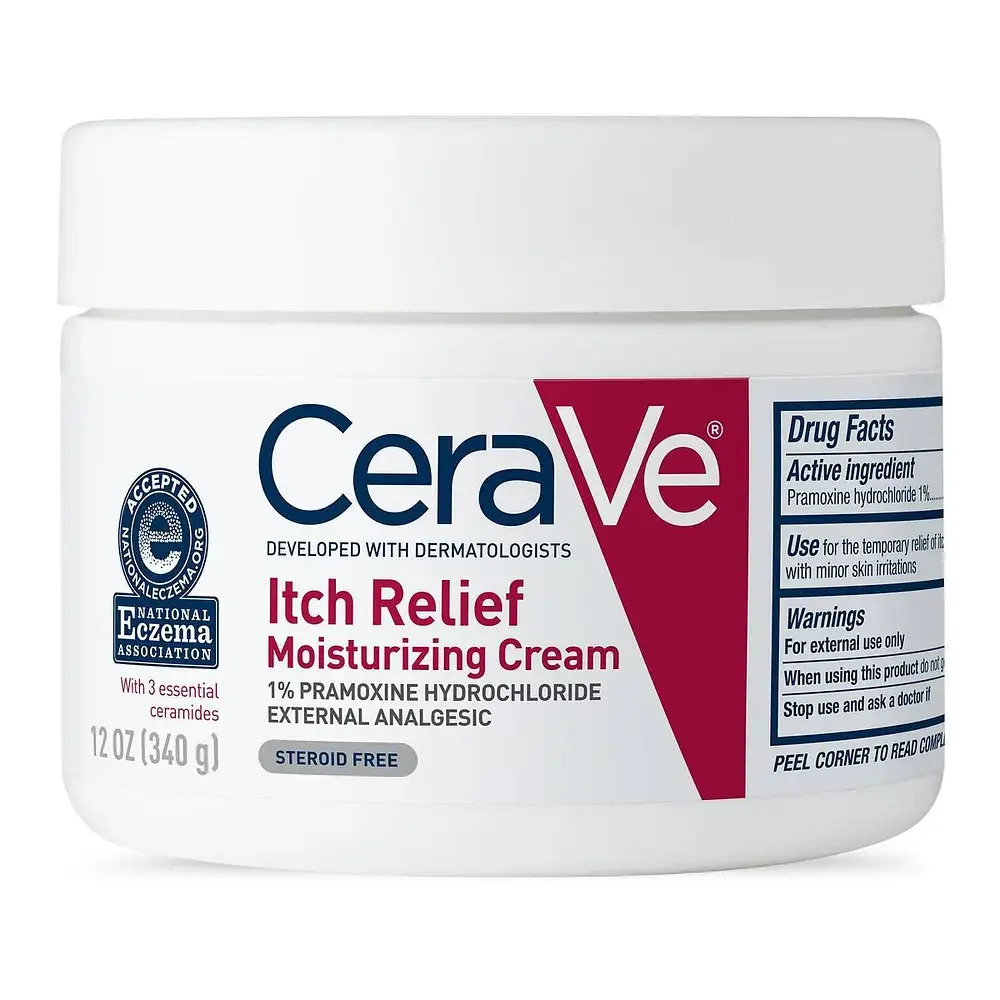

As an Amazon Associate, AllerNote earns from qualifying purchases.
Always scan the actual label before use — formulations change.
What is phytosphingosine?
Phytosphingosine is a long-chain amino alcohol — a sphingoid base — that occurs naturally in your skin and in plants. It's one of the molecules your skin uses to build its own ceramides. As a topical ingredient it does three things at once: it supports the barrier by feeding ceramide synthesis, it calms inflammation at a cellular level, and it has mild antimicrobial activity against the bacteria implicated in acne.
That combination — barrier repair plus anti-acne — is what makes it unusual. Most barrier ingredients are too rich for acne-prone skin, and most acne ingredients are too drying for a compromised barrier. Phytosphingosine bridges both.
Why it's almost universally safe
Because phytosphingosine is a physiological molecule your body already makes, allergic reactions are essentially unheard of. The Cosmetic Ingredient Review and European safety panels rate it safe at the concentrations used (typically 0.1–1%, sometimes up to 2% in barrier creams).
The one thing to know is that it's used at very low concentrations because it's potent — even 0.2% shows clinical effects. So seeing it low on an ingredient list isn't a red flag, and a product touting "high-strength" phytosphingosine isn't necessarily better. It pairs especially well with niacinamide, panthenol and ceramide complexes — the modern stack for sensitive, post-acne or post-procedure skin.
The skincare problem I get asked about most is the catch-22: "my acne treatment wrecked my barrier, but if I baby my barrier the acne comes back." Phytosphingosine is one of the few ingredients that genuinely sits in the middle of that fight. It's not flashy, and you don't need a lot of it — which is rather the point. — Snehal
How to use it well
- You don't need a high concentration — even 0.2–0.5% works; don't overpay for "high-strength".
- Look for it in a barrier stack — with ceramides, cholesterol and niacinamide.
- Especially good for acne + sensitive skin — it resolves the barrier-vs-acne dilemma.
- Apply to damp skin — like all lipid-related ingredients, it seals in surface water.
- Layer with niacinamide — calms redness and supports the barrier faster than either alone.
Simpler alternatives
- If unavailable/expensive: a ceramide + niacinamide moisturiser covers much of the same ground.
- Acne-prone barrier repair: niacinamide + zinc PCA + ceramides + panthenol.
- Sensitive skin without acne: plain ceramide creams are gentler still.
- Scalp/dandruff: zinc pyrithione or piroctone olamine target Malassezia more directly.
The bottom line
Phytosphingosine is a gentle, physiological ceramide precursor that uniquely bridges barrier repair and acne care, with mild anti-inflammatory and antibacterial action. It's about as low-risk as ingredients get, works at tiny concentrations, and is most effective in a ceramide-and-niacinamide stack — a quietly clever pick when your skin is both broken-out and broken-down.
Was this article helpful?
One tap tells us what to write more of. No account needed.
Is this ingredient in your products?
Scan any cosmetic product to check for Phytosphingosine and 30+ other allergens instantly.