
Retinaldehyde (Retinal)
The "sweet spot" retinoid — stronger than retinol, gentler than prescription tretinoin, and an irritant rather than an allergen
INCIRetinal
- Category
- Active
- Risk level
- medium
- One step from active
- Converts to retinoic acid in a single step (vs retinol's two) — about 10x more potent than retinol
- Reaction type
- Dose-dependent irritation, not allergy; often better tolerated than equal-strength retinol
- Concentration
- 0.05–0.1% in OTC products
- Pregnancy
- A retinoid — avoid in pregnancy and breastfeeding
Look for these names on ingredient lists
This ingredient may appear under any of these names:
Commonly found in
Possible reactions
- Dryness and mild peeling in the first 2–4 weeks
- Occasional stinging on freshly washed skin
- Redness in sensitive users
- Increased sun sensitivity
- Usually milder "retinization" than retinol
Top picks without Retinaldehyde (Retinal)
Highly rated products whose ingredient lists don't include Retinaldehyde (Retinal).
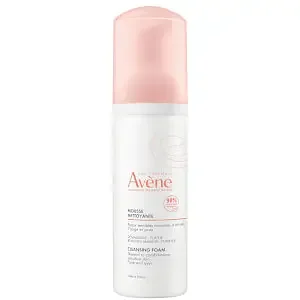
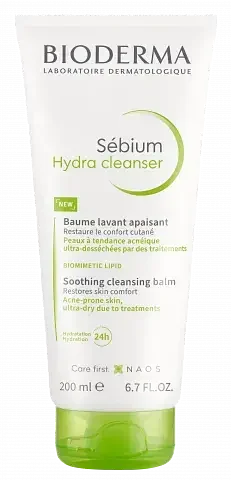
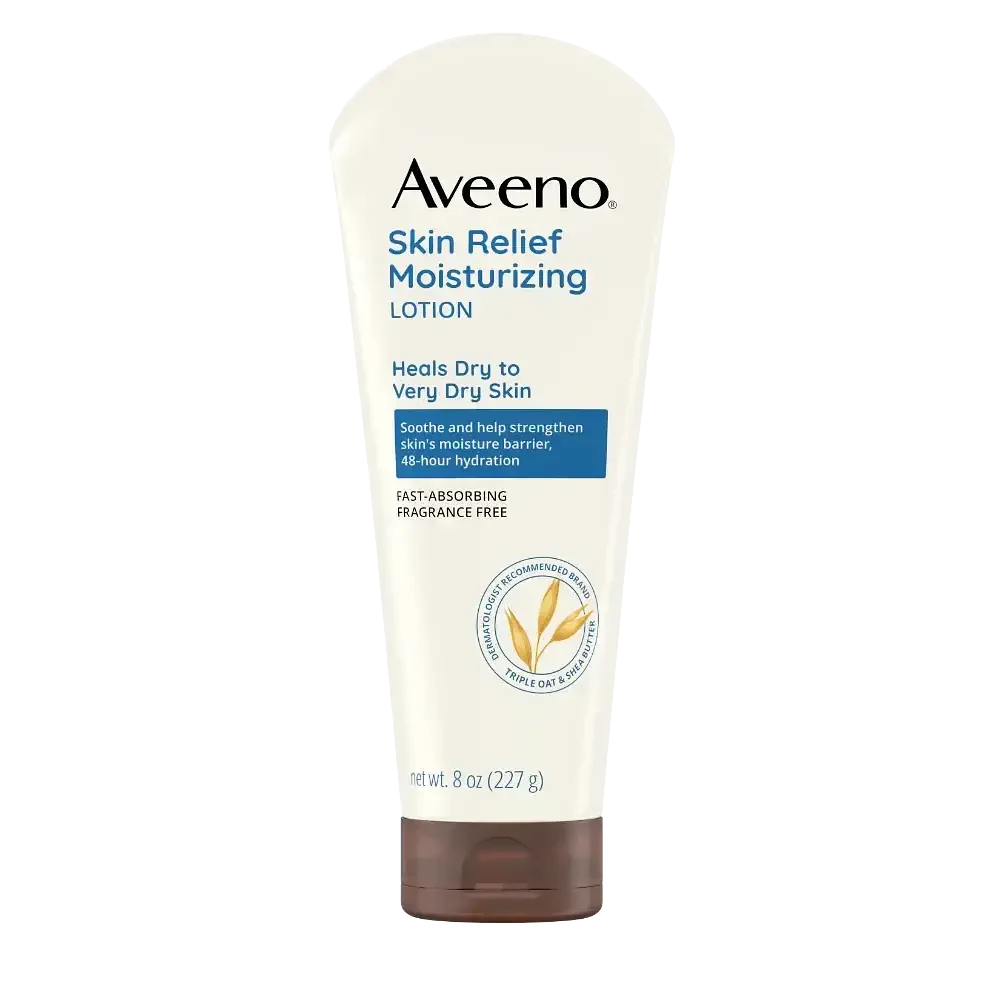
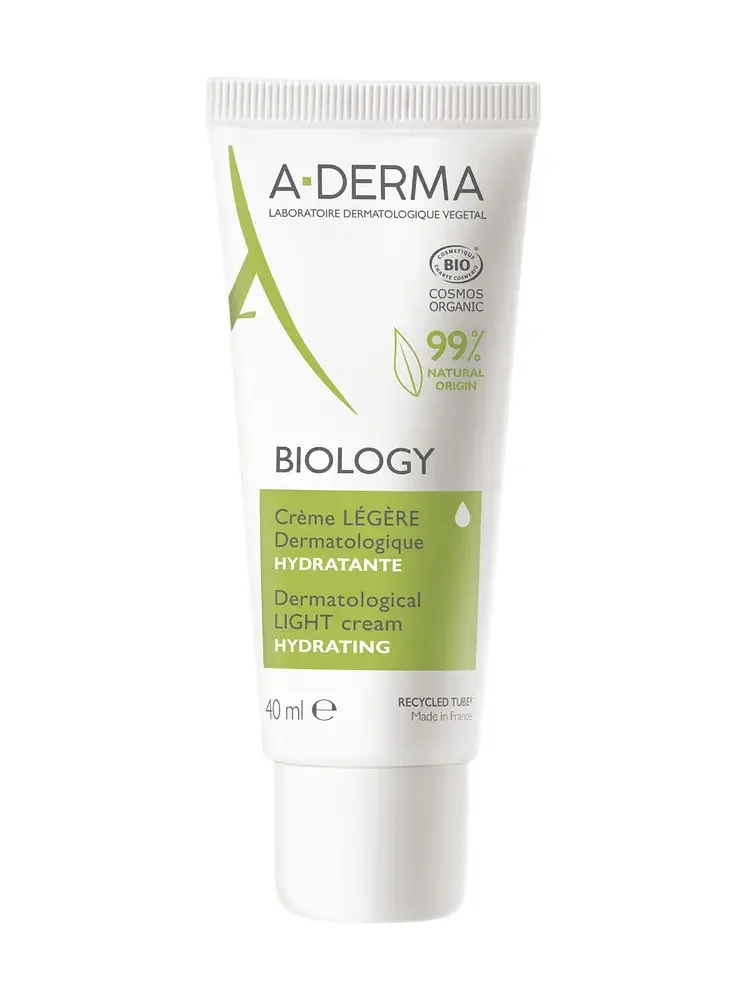
As an Amazon Associate, AllerNote earns from qualifying purchases.
Always scan the actual label before use — formulations change.
What is retinaldehyde?
Retinaldehyde (or retinal — not the retina of your eye) is a vitamin A derivative one step closer to active retinoic acid than retinol. On the skin's conversion ladder (retinyl ester → retinol → retinaldehyde → retinoic acid), it's the second-to-last stop, so it converts in a single step and delivers more active retinoid per molecule — estimated at about 10x the potency of retinol at the same concentration.
The pleasant surprise is that it's often better tolerated than retinol despite being stronger, which is why it's earned a "sweet spot" reputation between gentle retinol and prescription tretinoin.
Stronger but often gentler — and still an irritant, not an allergen
Clinical reports consistently show less peeling, dryness, and burning with retinal than with equal-strength retinol. The leading explanations: the faster conversion produces fewer irritating intermediates, and retinal has mild antibacterial/anti-inflammatory activity of its own.
Crucially, like all retinoids, its side effects are irritation, not allergy — dose-dependent "retinization" that eases as your skin adapts. Standard retinoid rules still apply:
- Sun sensitivity — daily SPF is essential.
- Pregnancy — avoid all retinoids, retinal included.
- Don't pair with benzoyl peroxide in the same application.
- Instability — retinal degrades in light/air; choose opaque, airless packaging.
How to use it well
- Start at 0.05%, twice a week, building up — gentler than retinol, but still a retinoid.
- Apply to dry skin (wait ~10–15 min after washing).
- Night only — it's photosensitising and light-unstable.
- Buffer with ceramides/niacinamide to limit dryness.
- Buy opaque/airless packaging for stability.
Alternatives
- Beginners: retinol 0.1–0.3% (more formulation choices).
- Even gentler retinoid signalling: granactive retinoid (HPR) or retinyl palmitate (weaker).
- Maximum strength: prescription tretinoin.
- Pregnancy: bakuchiol.
The bottom line
Retinaldehyde is the efficient middle child of retinoids — markedly stronger than retinol yet usually gentler, with side effects that are predictable irritation rather than allergy. Go low-and-slow, protect with sunscreen, store it in the dark, and keep it out of pregnancy.
Was this article helpful?
One tap tells us what to write more of. No account needed.
Is this ingredient in your products?
Scan any cosmetic product to check for Retinaldehyde (Retinal) and 30+ other allergens instantly.