
Retinyl Palmitate
The gentlest (and weakest) retinoid — the "vitamin A" quietly in countless moisturisers and sunscreens
INCIRetinyl Palmitate
- Category
- Active
- Risk level
- low
- Weakest retinoid
- Must be cleaved and then converted through several slow steps — gentle, but much weaker
- Most stable retinoid
- More shelf-stable and light/air-tolerant than retinol or retinal
- Where it hides
- The "vitamin A" in many mainstream moisturisers and sunscreens is usually this ester
- Pregnancy
- Still a retinoid — avoid in pregnancy and breastfeeding
Look for these names on ingredient lists
This ingredient may appear under any of these names:
Commonly found in
Possible reactions
- Very rare irritation at cosmetic concentrations
- Mild dryness in some users
- Some added sun sensitivity (less than retinol)
- No meaningful allergy to the ester itself
- Not for pregnancy or breastfeeding
Top picks with Retinyl Palmitate
Highly rated products that feature Retinyl Palmitate in their ingredient list.
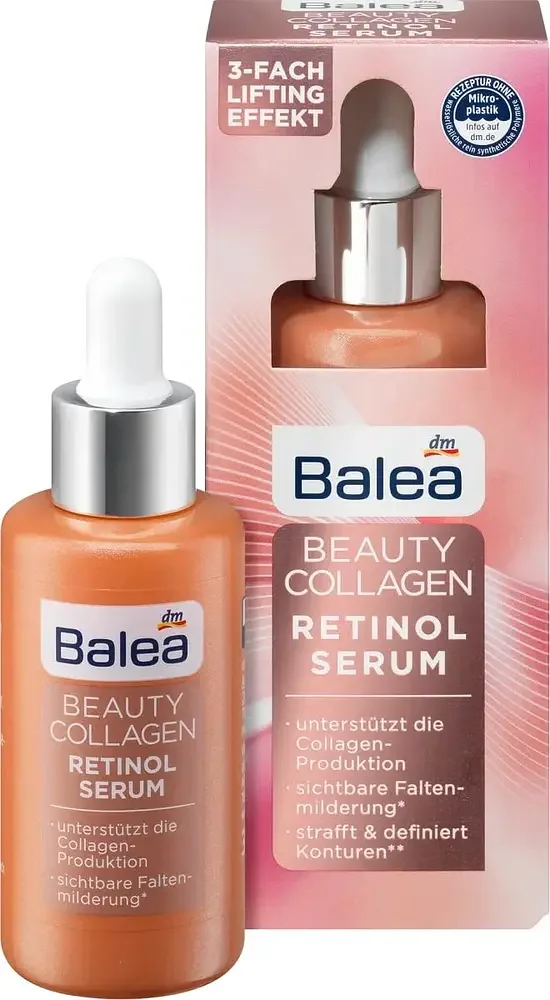
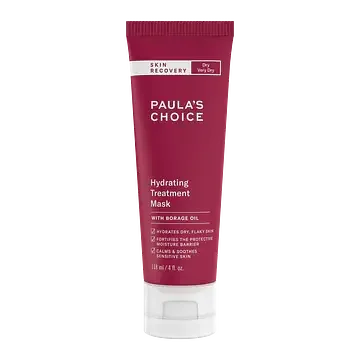

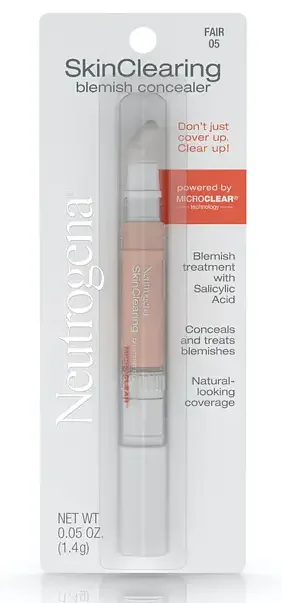
As an Amazon Associate, AllerNote earns from qualifying purchases.
Always scan the actual label before use — formulations change.
What is retinyl palmitate?
Retinyl palmitate is an ester — retinol bonded to palmitic acid (a fatty acid). In effect it's retinol with a stabilising fat attached, which makes it more shelf-stable and much less irritating than free retinol — but also much weaker. The skin has to cleave off the palmitic acid and then convert the released retinol through two further steps before any active retinoic acid is produced, so only a small fraction of what you apply ever reaches the receptor.
It's the gentlest OTC retinoid, and the one most often hiding behind "vitamin A" on mainstream moisturisers, sunscreens, and body lotions.
Gentle, low-allergy — and weak
Because it's several steps from active retinoic acid, retinyl palmitate causes far less of the dryness, peeling, and redness of stronger retinoids — and contact allergy to the ester itself is essentially a non-issue. The trade-off is efficacy: head-to-head studies show weaker results for lines, pigment, and acne than retinol.
Two things worth clearing up:
- The sunscreen "controversy." A US advocacy group once suggested retinyl palmitate in sunscreen might be photoreactive and worsen sun damage; the FDA and the EU's SCCS reviewed it and found no evidence of harm at cosmetic levels. It's safe.
- Pregnancy. Weak as it is, it's still a retinoid — avoid in pregnancy and breastfeeding.
How to use it well
- Set expectations — gentle but weak; not a retinol substitute for results.
- Use it as a stepping stone — tolerate it for 2–3 months, then step up to retinol if you want more.
- Apply at night and wear daily SPF like any retinoid.
- Skip it in pregnancy.
Alternatives
- More potency: retinol 0.3% (if tolerated), then retinaldehyde.
- Gentle retinoid signalling: granactive retinoid (HPR).
- Pregnancy: bakuchiol.
- Non-retinoid anti-aging: niacinamide, peptides, vitamin C.
The bottom line
Retinyl palmitate is the easy-going, ubiquitous "vitamin A" of everyday moisturisers and sunscreens — low irritation, low allergy, and (despite an old internet scare) safe in SPF. Just know it's the weakest retinoid, best used as a gentle introduction rather than a results-driven active, and not during pregnancy.
Was this article helpful?
One tap tells us what to write more of. No account needed.
Is this ingredient in your products?
Scan any cosmetic product to check for Retinyl Palmitate and 30+ other allergens instantly.
References & further reading
- Topical retinoids — overview DermNet
- Retinyl palmitate safety review (SCCS) European Commission (SCCS)