
Rosehip Oil
A linoleic-rich plant oil with mild, natural retinoid-like effects — well tolerated, but it oxidises fast so freshness matters
INCIRosa Canina Fruit Oil
- Category
- Emollient
- Risk level
- low
- Mild natural retinoid
- Contains trace vitamin-A precursors that gently mimic retinol over time (far weaker than actual retinoids)
- High linoleic acid
- >40% linoleic acid — suits acne-prone and barrier-compromised skin
- Oxidises quickly
- High in polyunsaturated fats; goes rancid within ~6–12 months — store cool/dark and use fresh
- Reaction type
- Low allergy; the main "risk" is using oxidised oil
Look for these names on ingredient lists
This ingredient may appear under any of these names:
Commonly found in
Possible reactions
- Very rare allergic reactions
- Oxidised (old) oil is more likely to irritate — use fresh
- Mild retinoid-like effects over time
- No significant sun sensitivity
- Generally pregnancy-safe topically
Top picks with Rosehip Oil
Highly rated products that feature Rosehip Oil in their ingredient list.
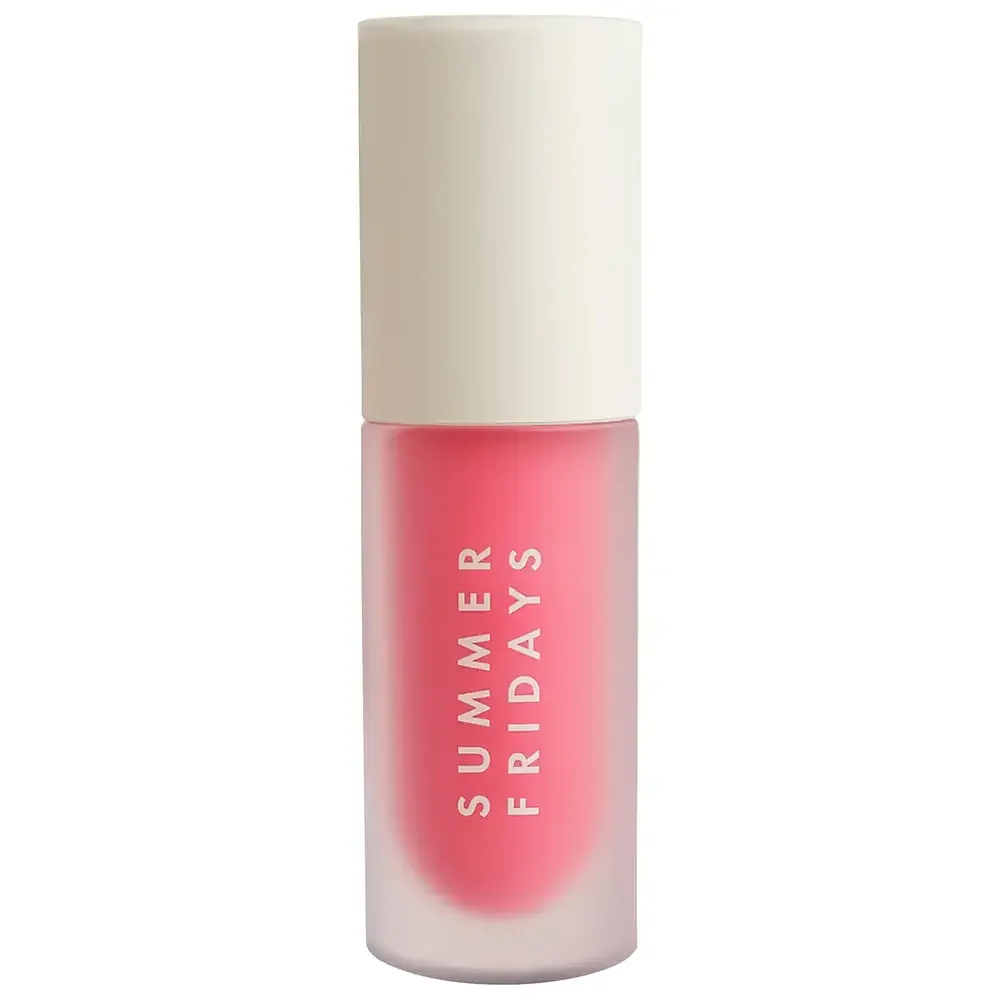
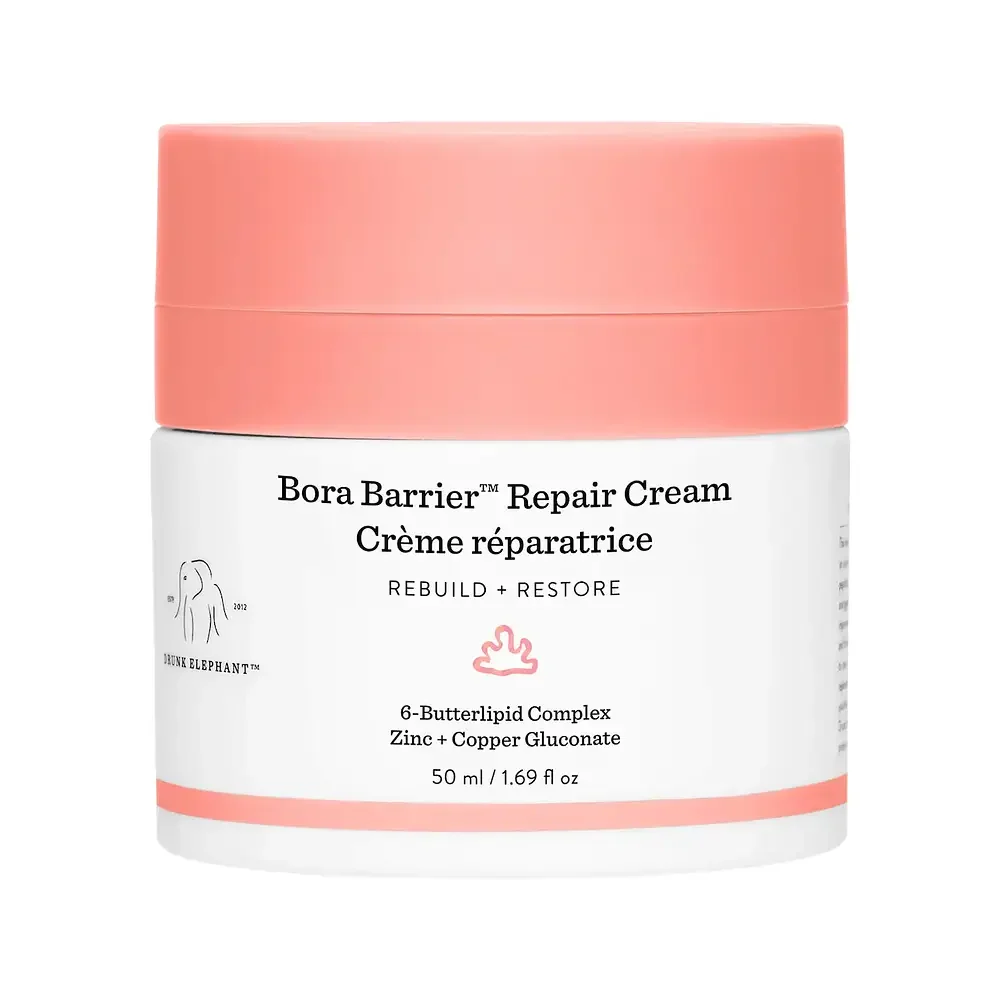
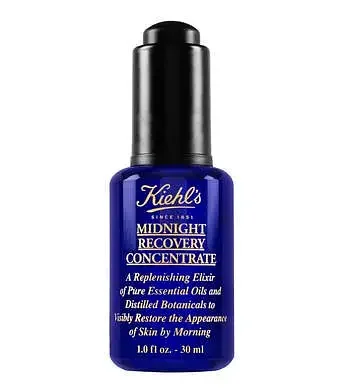
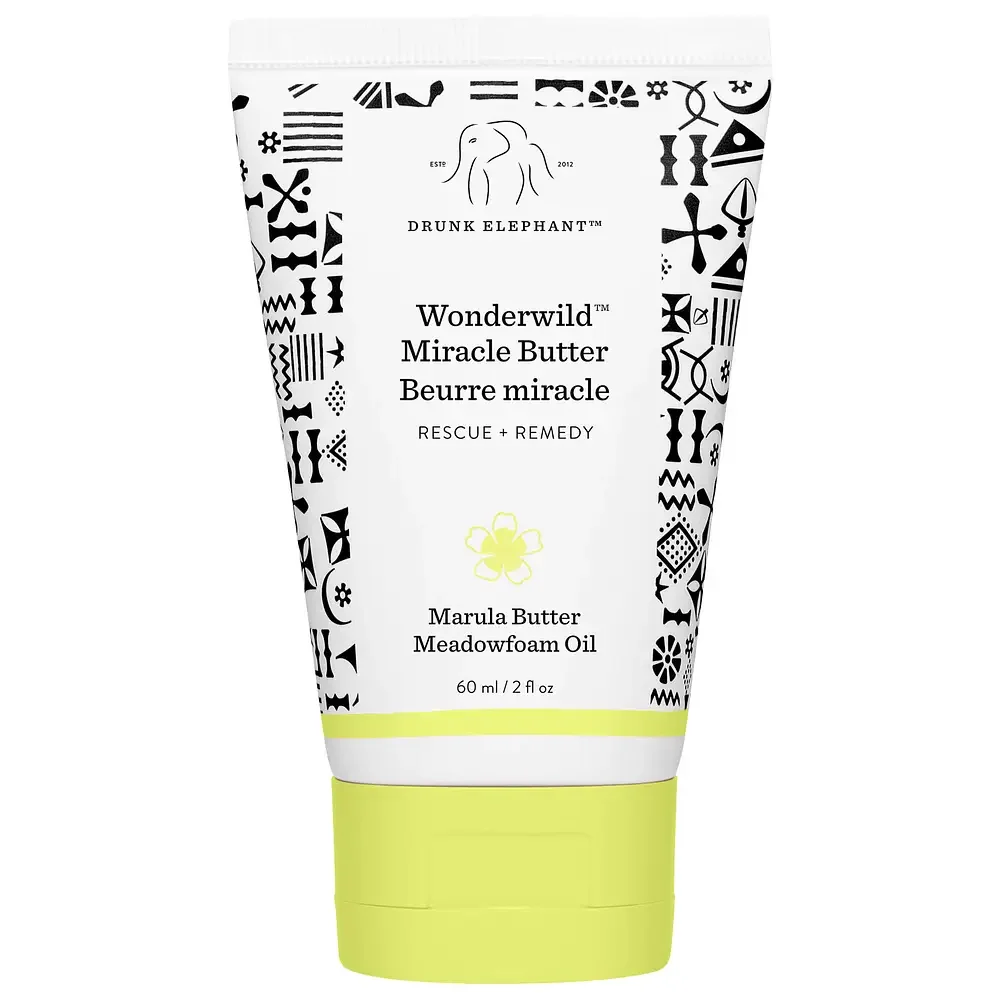
Always scan the actual label before use — formulations change.
Scan a product for this concern
What is rosehip oil?
Rosehip oil is pressed from the seeds of wild rose hips (Rosa canina/Rosa rubiginosa, often "rosa mosqueta"). It's a dry, fast-absorbing oil with a reddish-orange tint from its carotenoids, and it has an unusually useful composition: high linoleic acid (the essential fatty acid most skin types want), trace vitamin-A precursors that give it mild retinoid-like effects, and antioxidants (vitamins E and C, beta-carotene, lycopene).
It's been used for generations for scars, stretch marks, and hyperpigmentation, with some clinical support for improving the look of surgical and acne scars over 8–12 weeks of consistent use.
Why it's well tolerated — and the oxidation catch
Rosehip has a good safety profile, rare contact dermatitis, and a high-linoleic profile that suits acne-prone skin. The main practical issue isn't allergy — it's oxidation. Being rich in polyunsaturated fats, rosehip goes rancid within ~6–12 months, and oxidised oil is both less effective and more likely to irritate.
- Use it fresh — small bottles, dark glass, store cool (the fridge helps); bin it if it smells off.
- Mild retinoid effects — gentle and gradual, not prescription-strength.
- Pregnancy — the vitamin-A levels are very low; generally considered safe topically (some cautious users still skip it).
- Tint — the orange colour can stain light fabric and show under makeup, so many use it at night.
How to use it well
- At night, to avoid tint under makeup.
- A few drops into clean skin; follow with moisturiser if needed.
- Target scars/pigmentation directly.
- Store cold, use within ~6 months.
- Layer with vitamin C or niacinamide for complementary brightening.
Alternatives
- Stronger retinoid effect (non-pregnancy): retinol or retinaldehyde.
- Pregnancy-friendly retinol alternative: bakuchiol.
- Pure, stable moisture: jojoba or squalane.
- Scar support: centella asiatica, silicone scar gels.
The bottom line
Rosehip oil is a gentle, linoleic-rich, mildly "retinoid-like" oil that's great for scars and tone and is low-allergy — provided you respect its short shelf life. Buy small, store cold, use fresh; the only real way it bites is when it's gone rancid.
Was this article helpful?
One tap tells us what to write more of. No account needed.
Is this ingredient in your products?
Scan any cosmetic product to check for Rosehip Oil and 30+ other allergens instantly.