
Sodium Laureth Sulfate (SLES)
The milder, ethoxylated cousin of SLS — gentler, but still a barrier-stripping irritant for sensitive and eczema-prone skin
INCISodium Laureth Sulfate
- Category
- Surfactant
- Risk level
- low
- Why it's flagged
- A foaming surfactant that can irritate and dry skin — milder than SLS but not irritation-free
- Relation to SLS
- Ethoxylated SLS — a larger, milder molecule that still foams strongly
- Type of reaction
- Mainly irritant, not allergic; severity depends on concentration and how often you wash
- 1,4-dioxane
- A trace by-product of ethoxylation; reputable manufacturers remove it by vacuum stripping
- Often blended with
- Cocamidopropyl betaine in "gentle" and "sulfate-reduced" cleansers
Look for these names on ingredient lists
This ingredient may appear under any of these names:
Commonly found in
Possible reactions
- Dry, tight-feeling skin after washing
- Mild redness or irritation, especially on the face
- Scalp itchiness and flaking
- Worsening of eczema or atopic dermatitis
- Stinging if it runs into the eyes
Top picks without Sodium Laureth Sulfate (SLES)
Highly rated products whose ingredient lists don't include Sodium Laureth Sulfate (SLES).
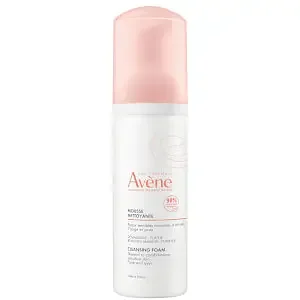
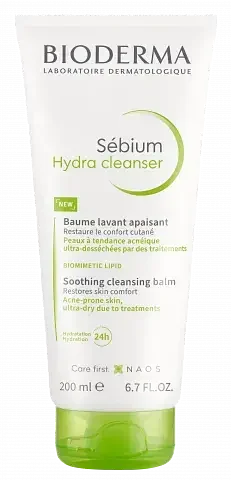
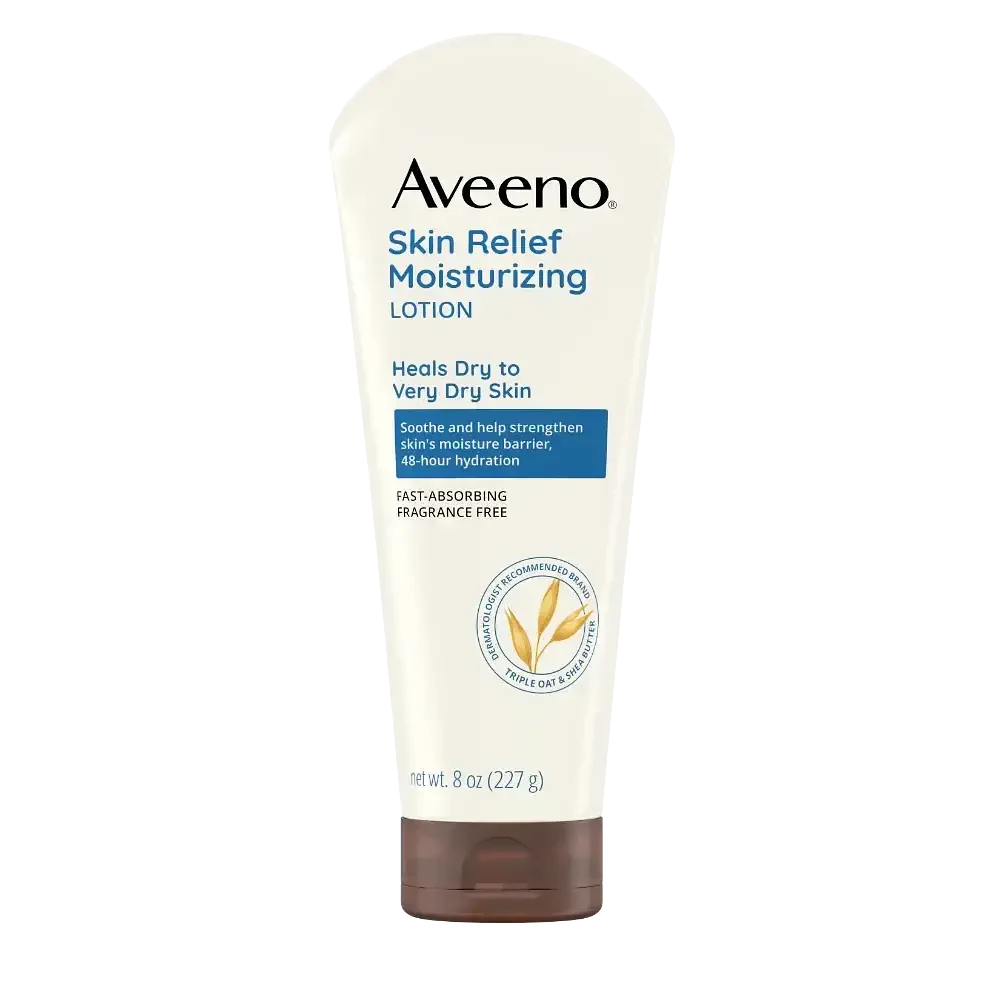
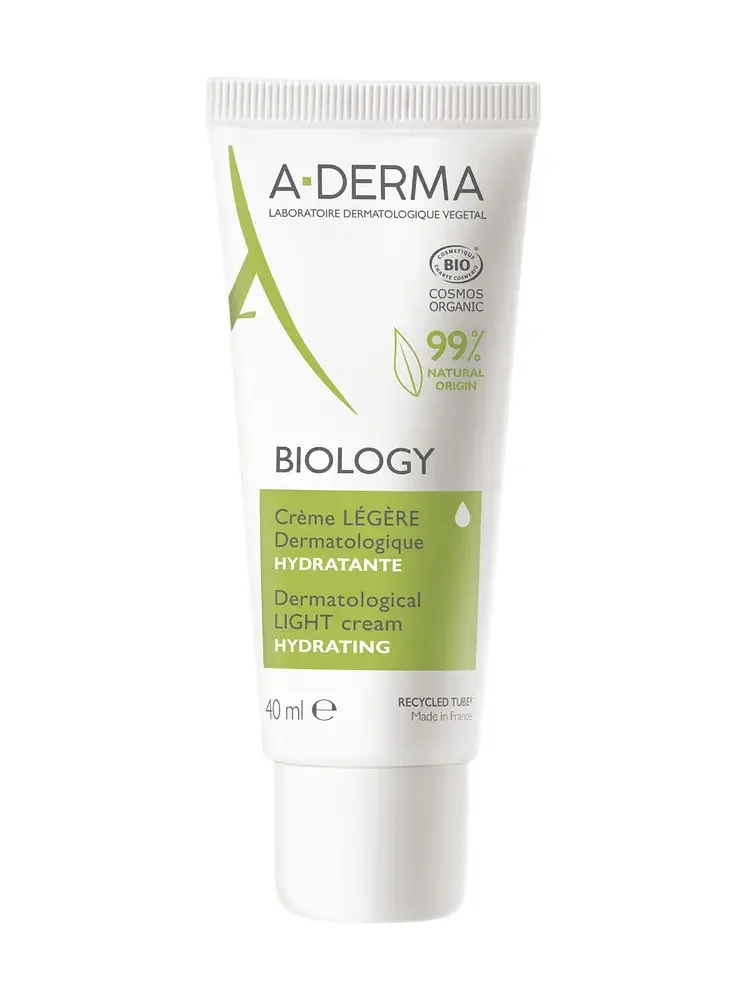
As an Amazon Associate, AllerNote earns from qualifying purchases.
Always scan the actual label before use — formulations change.
Scan a product for this concern
What is sodium laureth sulfate?
Sodium laureth sulfate (SLES) is a foaming surfactant — a close relative of sodium lauryl sulfate (SLS), modified by ethoxylation (adding ethylene oxide units). That tweak makes the molecule larger and gentler than SLS while keeping the rich lather people expect from a cleanser. It's the workhorse surfactant in a huge share of shampoos, body washes, and foaming face washes, including many sold as "mild" or "for sensitive skin."
That marketing is where people get caught out: "gentler than SLS" is not the same as "gentle."
Why SLES can still irritate
Like SLS, SLES mainly causes irritant (not allergic) contact dermatitis. It strips skin oils and can disrupt the barrier, producing dryness, tightness, and irritation — particularly with frequent use or on already-compromised skin. People with eczema, rosacea, or sensitive skin are most vulnerable, and so are habitual over-washers: a SLES face wash twice a day plus a SLES body wash plus a SLES shampoo adds up to a lot of cumulative barrier disruption.
It's genuinely milder than SLS at equivalent strength, but products often crank SLES levels high to maximise foam — so concentration and formulation matter as much as the name on the label.
The 1,4-dioxane question
The ethoxylation that gentles SLES can generate a trace by-product called 1,4-dioxane. This is a real but upstream, manufacturing-quality issue: reputable producers remove it via vacuum stripping, and regulators monitor residual levels. It's worth knowing about, and it's one reason some very sensitive users prefer non-ethoxylated surfactants — but it's not a reason to treat every SLES product as hazardous.
How to spot and avoid it
- "Sulfate-free" on the front, then verify — some "sulfate-free" products swap in other sulfates (e.g. sodium coco-sulfate). Read the list.
- Scan the first five ingredients for Sodium Laureth Sulfate, Sodium Lauryl Ether Sulfate, or SLES.
- Don't confuse it with SLS — both are sulfates; SLES is the milder one.
- Audit your whole routine — if several products contain it, switching the one that touches your most sensitive area (usually the face) is the highest-yield change.
Gentler alternatives
- Shampoo & body wash: cocamidopropyl betaine blends (note: a possible allergen for some), sodium cocoyl isethionate, decyl/coco-glucoside, sodium lauroyl sarcosinate.
- Face wash: cream cleansers, micellar water, or oil cleansers that skip high-foam surfactants entirely.
- Baby & sensitive skin: "tear-free"/"sulfate-free" syndet washes, verified by the ingredient list.
The bottom line
SLES is the gentler face of the sulfate family — fine for most people in rinse-off products, but still a barrier-stripping irritant for sensitive and eczema-prone skin. If a SLES wash leaves you dry or itchy, switch the highest-contact product first and consider whether you're simply washing too often.
Was this article helpful?
One tap tells us what to write more of. No account needed.
Is this ingredient in your products?
Scan any cosmetic product to check for Sodium Laureth Sulfate (SLES) and 30+ other allergens instantly.