
Sodium Ascorbyl Phosphate
A stable, sting-free vitamin C derivative that brightens — and has real anti-acne evidence
INCISodium Ascorbyl Phosphate
- Category
- Antioxidant
- Risk level
- low
- Stable at neutral pH
- Works around pH 6–7 — no acidic sting (unlike pure ascorbic acid, which needs pH < 3.5)
- Anti-acne evidence
- Clinical studies show ~5% SAP reduces inflammatory acne lesions over ~8 weeks
- Tolerability
- Gentle and low-allergy; good for sensitive, rosacea-prone, and post-procedure skin
- Trade-off
- Converts to active vitamin C more slowly/lower-yield than pure ascorbic acid
Look for these names on ingredient lists
This ingredient may appear under any of these names:
Commonly found in
Possible reactions
- No documented allergic reactions
- No stinging at cosmetic concentrations
- Stable in well-formulated products
- Suitable for sensitive and acne-prone skin
- Pregnancy-safe
Top picks with Sodium Ascorbyl Phosphate
Highly rated products that feature Sodium Ascorbyl Phosphate in their ingredient list.
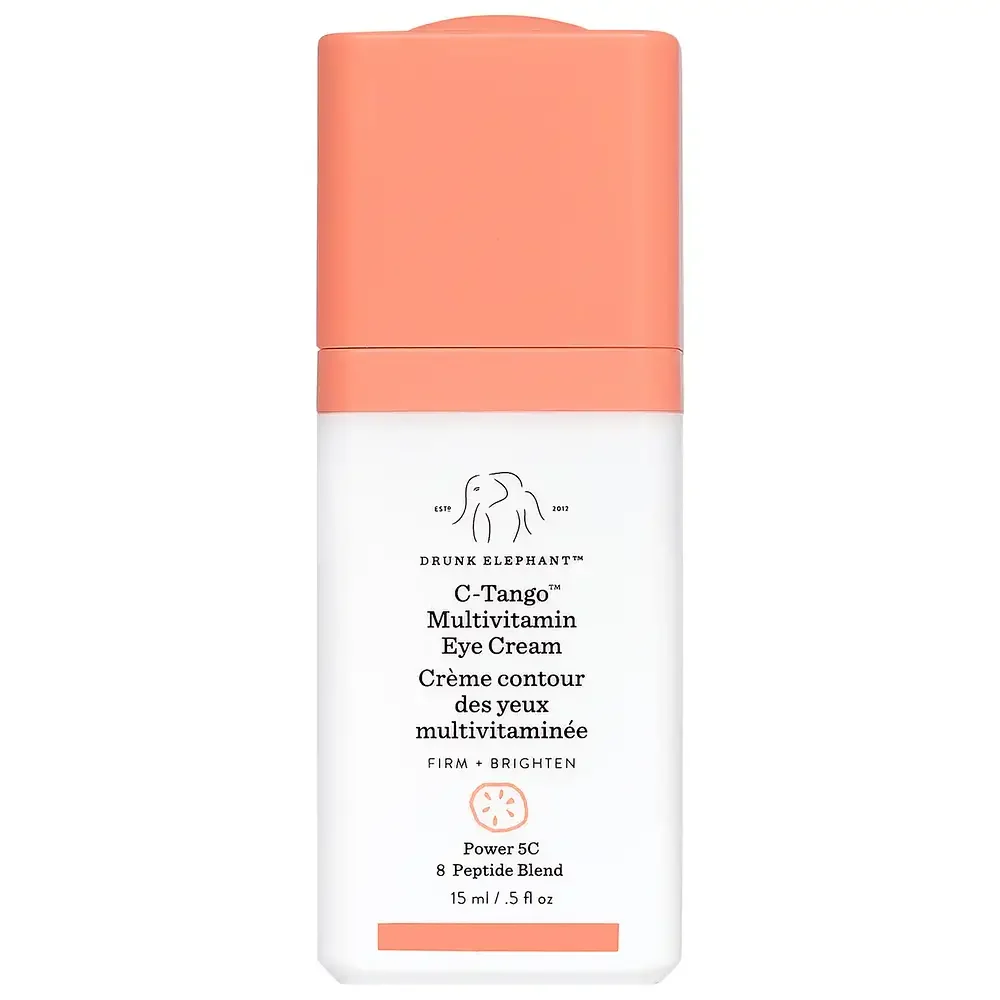

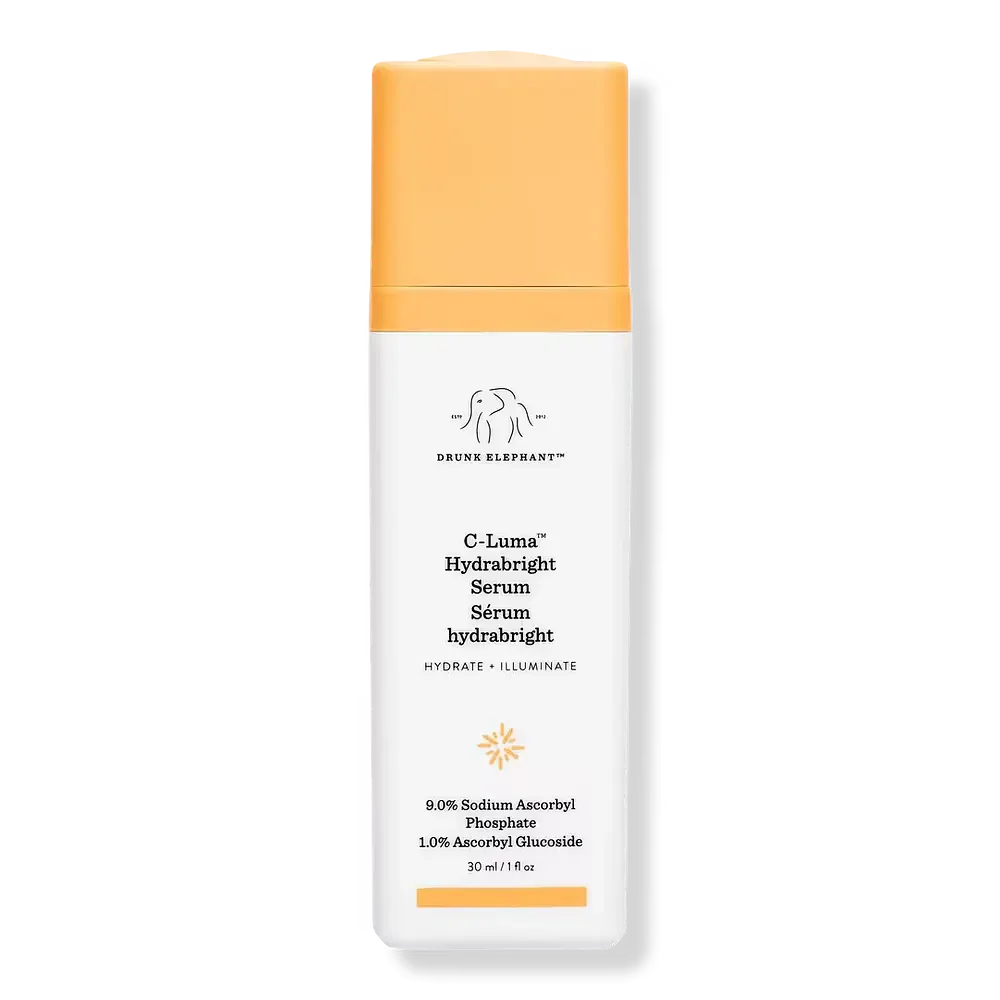
Always scan the actual label before use — formulations change.
What is sodium ascorbyl phosphate?
Sodium ascorbyl phosphate (SAP) is a water-soluble vitamin C derivative — ascorbic acid bonded to a phosphate group, which makes it stable at neutral pH and far more resistant to light and air than pure vitamin C. Once absorbed, skin enzymes cleave off the phosphate and release active vitamin C where it's needed.
The trade-off is a slower, lower-yield conversion than pure ascorbic acid — so SAP is gentler and more shelf-stable but a touch less potent. For sensitive skin, or anyone who finds L-ascorbic acid stings, that's a trade well worth making.
Why it's so well tolerated — plus an acne bonus
Because SAP works near neutral pH, it avoids the main cause of vitamin C irritation. It's rated safe at cosmetic levels (1–5%), and true contact allergy is essentially unheard of — a good choice for rosacea, eczema, and post-procedure skin.
Its standout extra: there's clinical evidence that ~5% SAP reduces inflammatory acne lesions over 8–12 weeks (through antioxidant, mild antibacterial, and reduced-sebum-oxidation effects). That makes it one of the few brighteners you can use directly on active acne — handy for the very common combination of breakouts plus dark marks.
How to use it well
- Start at 1–3% if new to vitamin C (then up to 5%).
- Morning or evening — stable either way; morning pairs with SPF.
- Pair with sunscreen for tone and damage prevention.
- Use it for acne-with-marks specifically — a rare two-in-one.
- Replace every few months — more stable than ascorbic acid, but not forever.
Alternatives
- Maximum potency: L-ascorbic acid 10–20% (if tolerated).
- Oil-soluble, deeper-penetrating: THD ascorbate.
- Similar gentle derivative: magnesium ascorbyl phosphate (MAP).
- Non-vitamin-C brightening: niacinamide, alpha arbutin, tranexamic acid.
The bottom line
Sodium ascorbyl phosphate is a gentle, stable, sting-free vitamin C — ideal for sensitive skin, and uniquely useful because it also calms inflammatory acne. Lower potency than pure vitamin C is the only catch, and an easy one for reactive skin to accept.
Was this article helpful?
One tap tells us what to write more of. No account needed.
Is this ingredient in your products?
Scan any cosmetic product to check for Sodium Ascorbyl Phosphate and 30+ other allergens instantly.