
Tartaric Acid
A grape-derived AHA that mostly works behind the scenes — a supporting acid and pH stabiliser in multi-acid and vitamin C formulas
INCITartaric Acid
- Category
- Exfoliant
- Risk level
- low
- What it is
- The AHA prominent in grapes and tamarind; a mid-size molecule, gentler than glycolic
- Usual role
- A supporting acid in multi-acid blends and a pH stabiliser — rarely used alone
- Grape allergy?
- Purified tartaric acid does not carry grape's allergenic proteins; grape-sensitive users generally tolerate it
- Reaction type
- Mild AHA irritation/sun sensitivity, not allergy
Look for these names on ingredient lists
This ingredient may appear under any of these names:
Commonly found in
Possible reactions
- Mild tingling at higher strengths
- Occasional dryness
- Low PIH risk on melanin-rich skin
- Mild sun sensitivity
- Very rare contact dermatitis
Top picks with Tartaric Acid
Highly rated products that feature Tartaric Acid in their ingredient list.


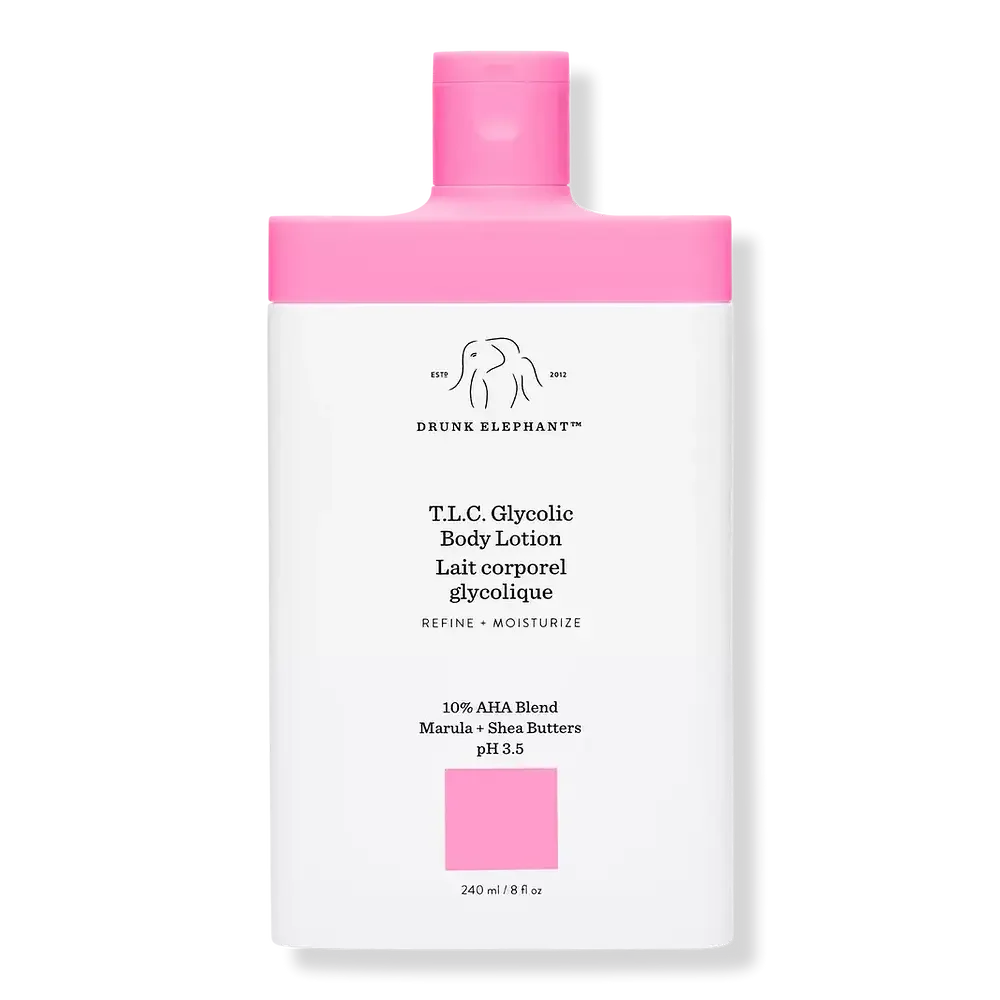
As an Amazon Associate, AllerNote earns from qualifying purchases.
Always scan the actual label before use — formulations change.
What is tartaric acid?
Tartaric acid is an alpha hydroxy acid found in grapes, tamarind, bananas, and other fruit. It's central to wine chemistry — the crystals in aged wine bottles are its salts — and it's one of the richest acids in tamarind. In skincare it's used mainly as a mild exfoliant and a pH adjuster/stabiliser in vitamin C and multi-acid formulas.
Like malic acid, it rarely headlines a product. It's typically a secondary acid in a blend, contributing gentle exfoliation at a slightly different molecular size than the primary acids and helping hold the formula's pH where it needs to be.
Why it's almost never a problem
Tartaric acid's molecule is roughly the size of malic acid's — larger than glycolic, smaller than mandelic — putting it in the "moderate," well-tolerated range. At the low percentages used in blends (often under 2%), irritation is uncommon and sun sensitivity is modest. Its effects are routine AHA irritation/photosensitivity, not allergy.
A reassuring note on grape/wine sensitivity: the things people react to in grapes and wine (proteins, sulfites) don't follow the purified acid into cosmetics, so grape-sensitive users generally tolerate topical tartaric acid fine.
Standard AHA habits apply: daily SPF, don't double up acids, and support the barrier with niacinamide or ceramides.
How to use it well
- Find it inside multi-acid blends rather than alone.
- Treat the blend as one exfoliant — no extra strong acid the same night.
- At night, with daily SPF.
- Pair with barrier support (niacinamide/ceramides).
Alternatives
- Stronger: glycolic or salicylic acid.
- Gentler: mandelic acid or PHAs.
- Brightening without exfoliation: niacinamide, vitamin C.
The bottom line
Tartaric acid is a quiet, grape-derived workhorse — rounding out multi-acid blends and stabilising pH more than starring on its own. It's gentle and low-allergy (grape allergies don't carry over), needing only the usual AHA sunscreen habit.
Was this article helpful?
One tap tells us what to write more of. No account needed.
Is this ingredient in your products?
Scan any cosmetic product to check for Tartaric Acid and 30+ other allergens instantly.
References & further reading
- Alpha hydroxy acids — overview DermNet
- AHAs and skin — review PubMed