
Tetrahexyldecyl Ascorbate (THD Ascorbate)
The premium oil-soluble vitamin C — stable, deep-penetrating, non-stinging, and the gentlest form for sensitive skin and eyes
INCITetrahexyldecyl Ascorbate
- Category
- Antioxidant
- Risk level
- low
- Oil-soluble
- Penetrates the skin's lipid layers better than water-soluble vitamin C forms
- Very stable
- Formulated anhydrous at neutral pH — doesn't oxidise/brown like pure vitamin C
- Tolerability
- The gentlest vitamin C; allergy essentially unheard of; the usual choice for the eye area
- Catch
- Expensive, and results are gradual (8–12 weeks)
Look for these names on ingredient lists
This ingredient may appear under any of these names:
Commonly found in
Possible reactions
- No documented allergic reactions
- No stinging at any concentration
- Excellent stability — doesn't brown like L-ascorbic acid
- Suitable for sensitive and reactive skin
- Pregnancy-safe
Top picks with Tetrahexyldecyl Ascorbate (THD Ascorbate)
Highly rated products that feature Tetrahexyldecyl Ascorbate (THD Ascorbate) in their ingredient list.
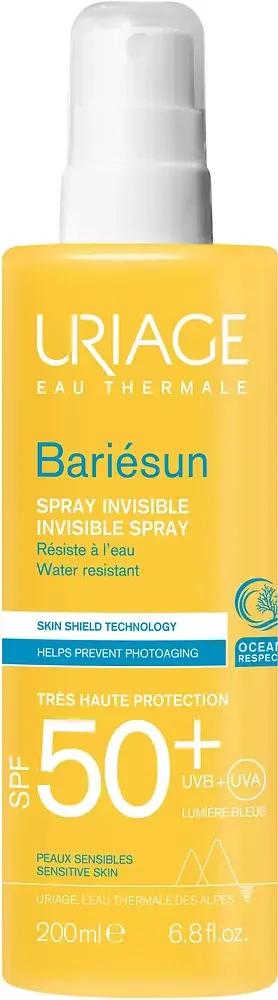

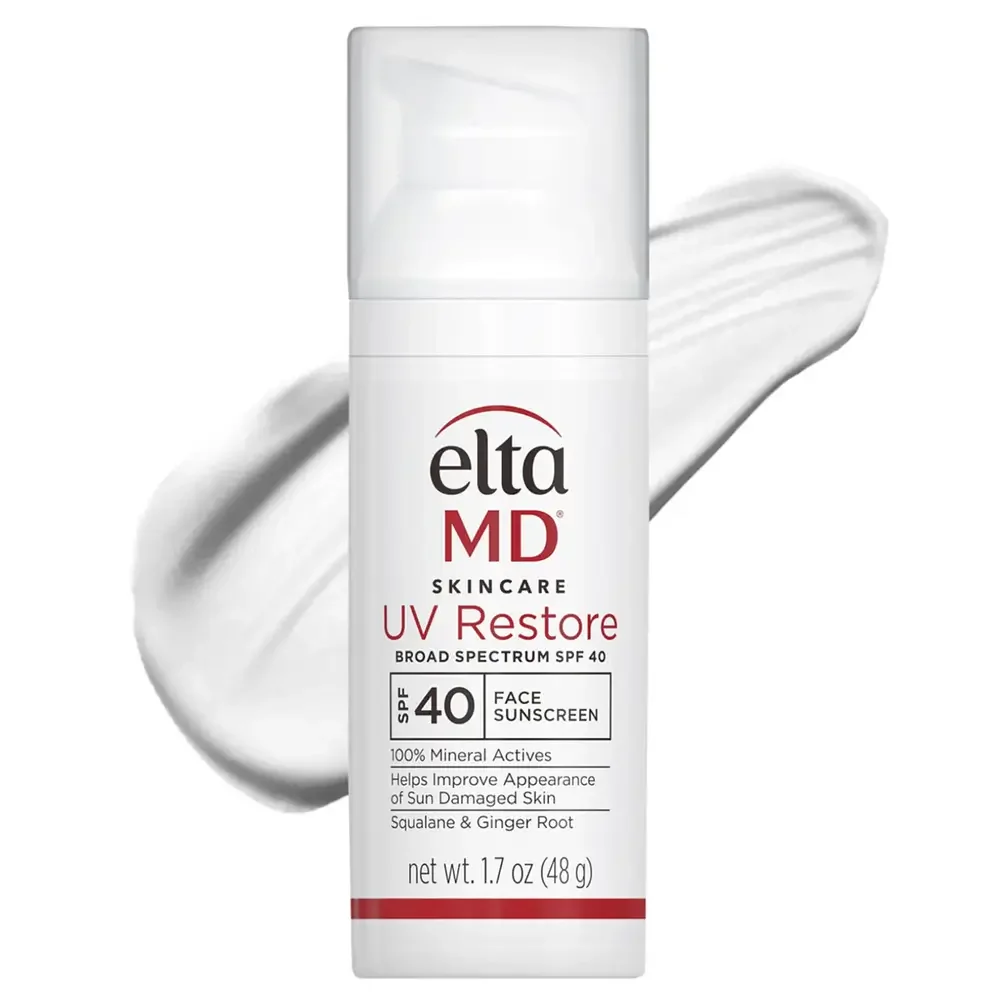
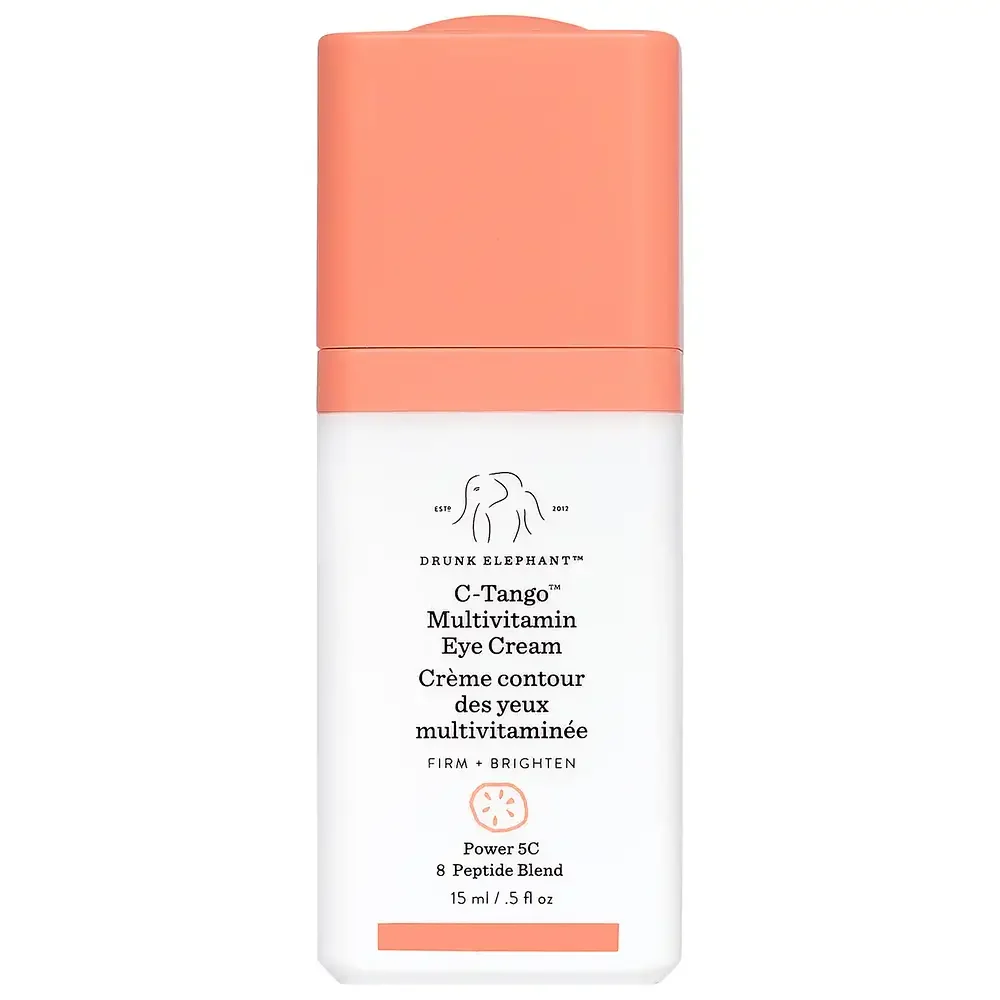
As an Amazon Associate, AllerNote earns from qualifying purchases.
Always scan the actual label before use — formulations change.
What is THD ascorbate?
Tetrahexyldecyl ascorbate — THD ascorbate, often sold as BV-OSC — is the most premium vitamin C derivative in skincare. Linking ascorbic acid to four long fatty-acid chains turns the fragile, water-soluble vitamin into a stable, oil-soluble molecule. The result: it doesn't oxidise easily, doesn't sting, and penetrates the lipid-rich skin layers better than water-soluble vitamin C. Inside the skin, enzymes release active vitamin C with a good yield.
The only real downside is cost — it's significantly pricier than L-ascorbic acid, SAP, or MAP — which is why it shows up mainly in premium and dermatologist-led formulas.
Why it's so well tolerated
Because it's formulated in anhydrous (water-free) bases at neutral pH, THD ascorbate avoids both irritation triggers of pure vitamin C (low pH and water-driven oxidation). It's rated safe at cosmetic levels (0.5–10%), and contact allergy is essentially unheard of — even people who react to L-ascorbic acid serums usually tolerate it. It's also the one vitamin C form that works well in oil and balm bases and is the usual pick for the delicate eye area.
The catch is slow onset: like other gentle derivatives, results take 8–12 weeks. It's a long-term investment, not an overnight glow.
How to use it well
- Be patient — 8+ weeks of daily use.
- Morning or evening — stable either way; morning adds antioxidant SPF support.
- Pair with sunscreen.
- Choose it if any L-ascorbic acid irritates you — the gentlest option.
- Great in eye creams and oil-based routines.
Alternatives
- Max potency, lower cost: L-ascorbic acid 10–20% (if tolerated).
- Cheaper gentle derivatives: SAP, MAP.
- Non-vitamin-C brightening: niacinamide, alpha arbutin, azelaic acid.
The bottom line
THD ascorbate is the luxury, low-irritation vitamin C — stable, oil-friendly, eye-area-safe, and tolerated by almost everyone. Pay more and wait longer for gradual results; in return you get the gentlest vitamin C there is.
Was this article helpful?
One tap tells us what to write more of. No account needed.
Is this ingredient in your products?
Scan any cosmetic product to check for Tetrahexyldecyl Ascorbate (THD Ascorbate) and 30+ other allergens instantly.