
Tosylamide/Formaldehyde Resin in Nail Polish
The resin that makes nail polish stick — and what "3-free", "5-free" and "10-free" actually buy you
INCITosylamide/Formaldehyde Resin
- Category
- Nail Product
- Risk level
- medium
- Why it's flagged
- Formaldehyde-based nail-polish resin; a common nail/eyelid allergen
- What it does
- It's the film-former — the ingredient that makes polish adhere, stay glossy, and resist chipping
- Reading "X-free"
- "5-free" and "10-free" polishes usually leave this resin out; "3-free" (toluene, DBP, formaldehyde) does NOT necessarily exclude it
- On the label
- Look for "Tosylamide/Formaldehyde Resin" — usually mid-list among the film-formers
- The trade-off
- Resin-free polishes chip a little sooner — the durability you give up is exactly what the resin was providing
Look for these names on ingredient lists
This ingredient may appear under any of these names:
Commonly found in
Possible reactions
- Itchy, scaling skin around the nails
- Eyelid or facial dermatitis from touching the face
- Nail changes (lifting, brittleness, discolouration)
- Reaction that clears when you stop wearing polish
Top picks without Tosylamide/Formaldehyde Resin in Nail Polish
Highly rated products whose ingredient lists don't include Tosylamide/Formaldehyde Resin in Nail Polish.
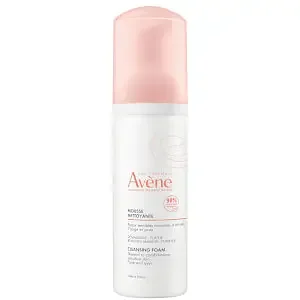
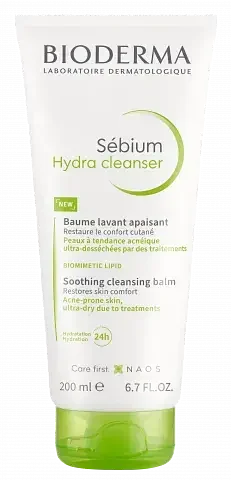
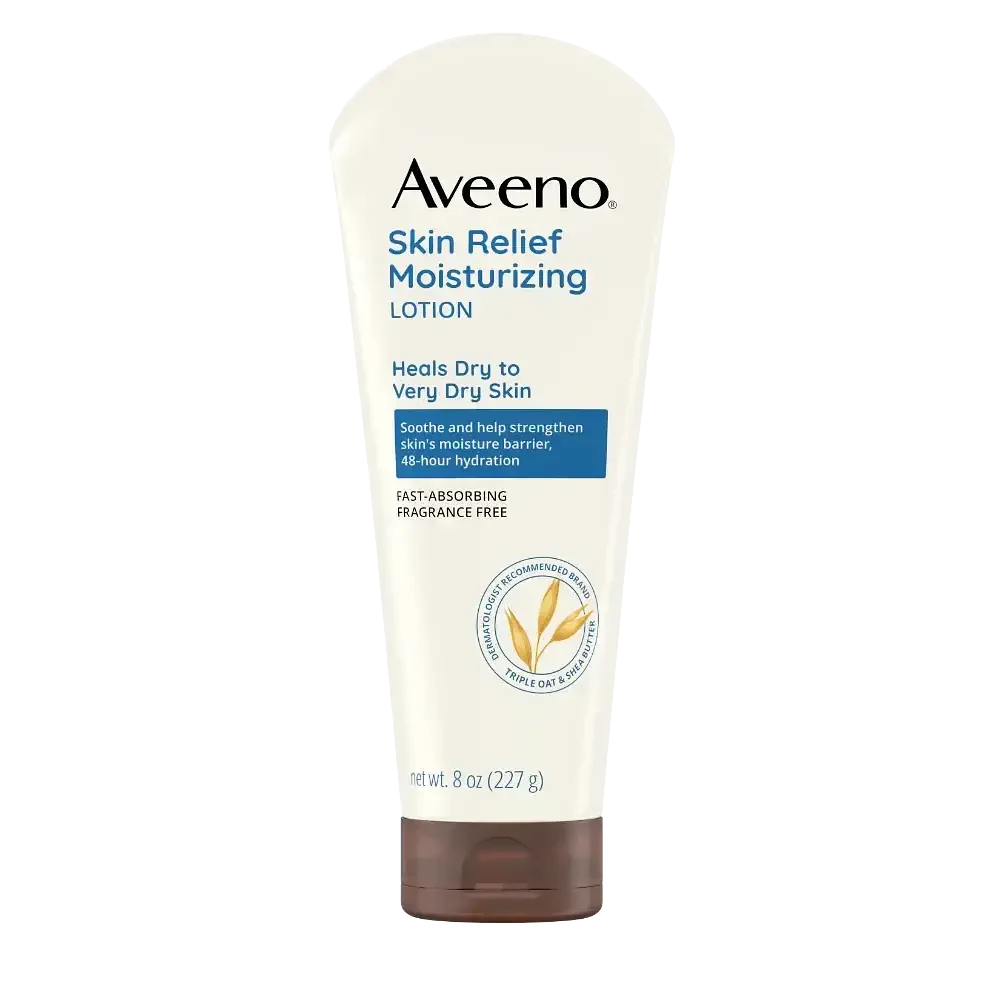
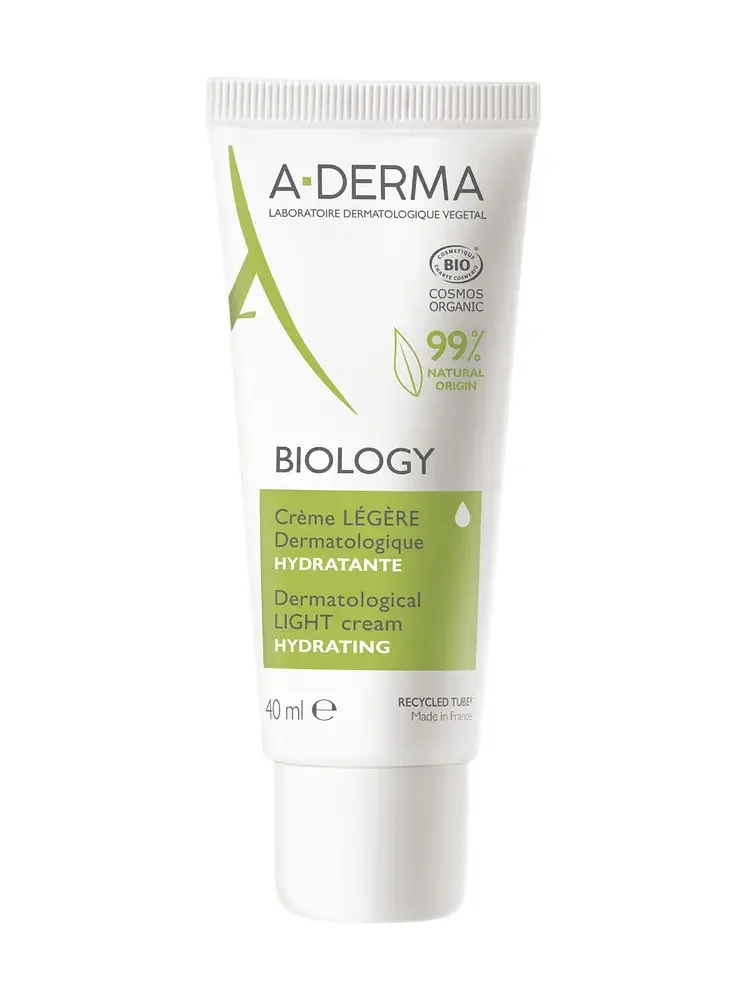
As an Amazon Associate, AllerNote earns from qualifying purchases.
Always scan the actual label before use — formulations change.
What is tosylamide/formaldehyde resin — and why is it in your polish?
Tosylamide/formaldehyde resin (TSF resin) is the film-former in most conventional nail polish: the ingredient that makes the lacquer grip the nail, lie down in a smooth glossy film, and resist chipping for days. It's made by reacting toluene sulfonamide with formaldehyde, so the cured resin can carry or release traces of formaldehyde — which is the root of its allergy potential.
It's been a nail-polish staple for decades for one simple reason: it works. Polishes without it tend to chip sooner. That durability-versus-tolerance trade-off is the whole story of this ingredient, and it's what the "X-free" labels are really negotiating.
This page is the practical, shopping-focused guide. For the clinical side — why nail-polish allergy famously shows up on your eyelids rather than your nails, and how it's patch-tested — see the companion page linked below.
Decoding "3-free", "5-free" and "10-free"
The "free-from" numbers are useful but easy to misread:
- 3-free — without toluene, dibutyl phthalate (DBP), and free formaldehyde. Note: this does not necessarily exclude tosylamide/formaldehyde resin, which is a separate ingredient.
- 5-free — typically the 3-free list plus tosylamide/formaldehyde resin and camphor. This is usually the lowest number that drops the resin.
- 7-free / 10-free — broaden the exclusions further (xylene, parabens, certain other resins, etc.).
The "X-free" numbers are marketing shorthand, and the gap between "3-free" and "5-free" is exactly where this resin hides. I never trust the number on the front of the bottle — I read the actual ingredient list on the back for "Tosylamide/Formaldehyde Resin." Two minutes of label-reading beats a fortnight of itchy eyelids. — Snehal
How to spot it on a label
- Tosylamide/Formaldehyde Resin — the usual INCI wording.
- Toluenesulfonamide/Formaldehyde Resin — the longer alternate name.
- It typically sits mid-list, among the film-forming ingredients.
How to shop around it
- Read the back, not the front. Confirm "Tosylamide/Formaldehyde Resin" is absent on the actual ingredient list.
- Default to "5-free" or higher — or a polish that explicitly states it's resin-free.
- Mind transfer. Let polish dry fully and avoid rubbing your eyes with freshly polished nails.
- Confirm before you commit. If reactions recur, patch testing (see the companion page) tells you whether this resin is really the cause.
Safer alternatives
- 5-free / 10-free polishes that omit the resin (verify on the label).
- Water-based polishes (e.g. Acquarella, Honeybee Gardens) using different film-formers.
- Nail wraps or press-ons that skip liquid lacquer entirely (check their adhesives).
- A good top coat to claw back some of the durability you lose going resin-free.
The bottom line
Tosylamide/formaldehyde resin is the thing that makes ordinary nail polish last — which is why removing it (the jump from "3-free" to "5-free") costs you a little chip resistance. If you react to it, read the back of the bottle rather than trusting the marketing number, choose a genuinely resin-free formula, and lean on a top coat for durability. For the why-does-it-hit-my-eyelids clinical picture, see the companion page next.
Was this article helpful?
One tap tells us what to write more of. No account needed.
Is this ingredient in your products?
Scan any cosmetic product to check for Tosylamide/Formaldehyde Resin in Nail Polish and 30+ other allergens instantly.