
Coconut Oil
Excellent for hair, frequently a problem for facial skin — highly comedogenic and a known feeder of fungal acne
INCICocos Nucifera Oil
- Category
- Emollient
- Risk level
- medium
- Why it suits hair
- High lauric acid penetrates the hair shaft, reducing protein loss and breakage
- Why it troubles faces
- The same lauric-acid chemistry is highly comedogenic — it clogs facial pores
- Fungal acne
- Can feed Malassezia yeast, worsening fungal acne and dandruff-prone scalp
- Lighter version
- Fractionated coconut oil (Caprylic/Capric Triglyceride) removes lauric acid and is far less pore-clogging
Look for these names on ingredient lists
This ingredient may appear under any of these names:
Commonly found in
Possible reactions
- Comedogenic — facial breakouts are common in acne-prone users
- Can worsen fungal acne (Malassezia) and seborrheic/dandruff-prone scalp
- True allergic reactions are rare
- No sun sensitivity; generally fine on body and hair
Top picks without Coconut Oil
Highly rated products whose ingredient lists don't include Coconut Oil.
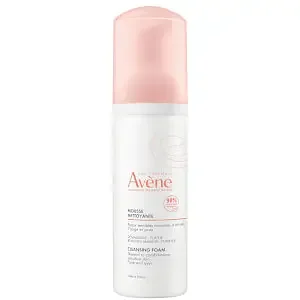
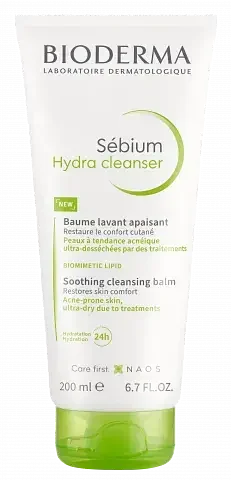
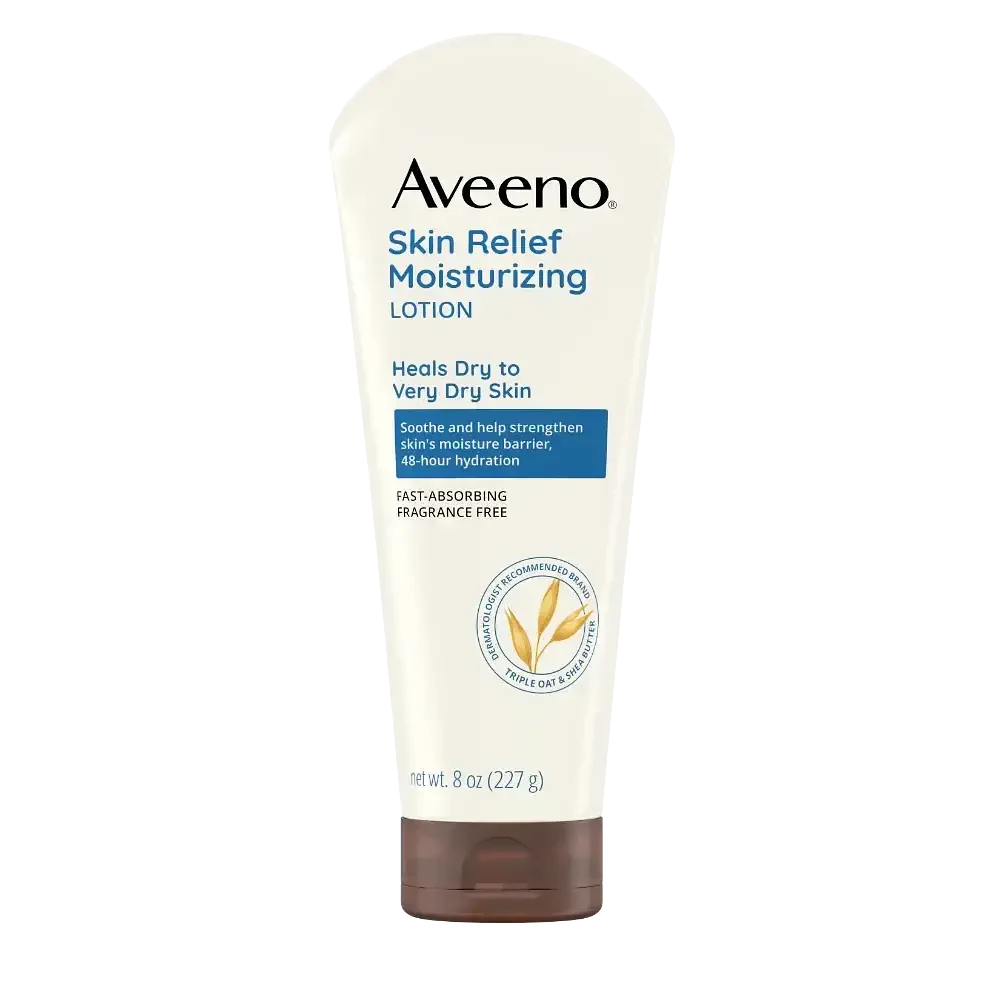
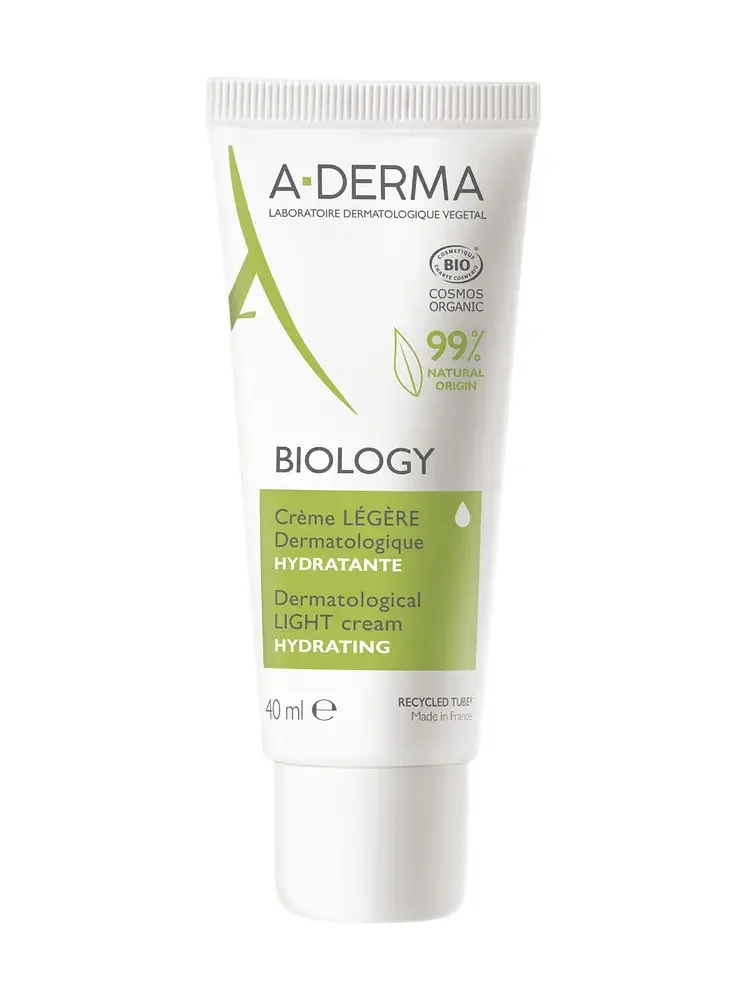
As an Amazon Associate, AllerNote earns from qualifying purchases.
Always scan the actual label before use — formulations change.
Scan a product for this concern
What is coconut oil?
Coconut oil is pressed from the meat of mature coconuts and has been used in hair, skin, and food care for centuries. It's solid below ~24°C and liquid above, giving it a distinctive "melting" texture, and it's unusually high in saturated fat — about 50% lauric acid, the most of any common plant oil. Lauric acid has antibacterial properties, which underpins many of coconut oil's traditional uses.
The headline for a skincare context is a split decision: great for hair, frequently a problem for facial skin.
Why it helps hair but troubles faces
Coconut oil's high lauric acid content is both its strength and its weakness:
- On hair, lauric acid's small molecule actually penetrates the hair shaft, reducing protein loss and breakage — something most oils can't do. That's why it's one of the best oils for damaged, dry, or coloured hair.
- On facial skin, the same chemistry is highly comedogenic: it wedges into pores, combines with sebum, and triggers whiteheads, blackheads, and acne flares.
So comedogenicity, not allergy, is the real story here. By skin area:
- Acne-prone / oily face — avoid as a facial moisturiser; it reliably breaks people out.
- Very dry, non-acne-prone face — may tolerate it, though gentler oils exist.
- Body — generally fine on non-acne-prone areas.
- Hair — excellent for most hair types.
- Dandruff- or fungal-acne-prone scalp — avoid; it can feed Malassezia yeast.
When people say coconut oil "broke them out," it's usually clogged pores or a fungal-acne flare — not an immune allergy. That distinction matters: the fix is choosing a non-comedogenic oil (like squalane), not avoiding "an allergen." If you instead get true hives or an itchy rash, that's worth a closer look.
The fractionated version
Fractionated coconut oil — listed as Caprylic/Capric Triglyceride — has the lauric acid removed, leaving a light, liquid, non-comedogenic oil used widely in cosmetics. If you like coconut-derived ingredients but not the pore-clogging, that's the form to look for.
How to use it well
- Hair and body, not face — especially if you're acne-prone.
- Warm it for a scalp/hair massage, leave 30 minutes (or overnight) before washing.
- Choose virgin/cold-pressed for more antioxidants if using on hair/body.
- Avoid on fungal acne and dandruff-prone scalp.
- For the face, switch to squalane or another non-comedogenic oil.
Alternatives
- Facial moisturising: squalane, jojoba, marula, or rosehip oil.
- Acne-prone skin: squalane (the safest face oil to start with).
- Lighter hair/skin oil: fractionated coconut oil (Caprylic/Capric Triglyceride).
- Fungal-acne-safe: squalane and jojoba don't feed Malassezia the way many oils do.
The bottom line
Coconut oil is a brilliant hair oil and a risky face oil — not because it's an allergen, but because it's strongly comedogenic and can feed fungal acne. Keep it to hair and body, reach for squalane or the fractionated version for facial use, and treat coconut-oil "breakouts" as a pore problem, not an allergy.
Was this article helpful?
One tap tells us what to write more of. No account needed.
Is this ingredient in your products?
Scan any cosmetic product to check for Coconut Oil and 30+ other allergens instantly.