
Formaldehyde
A confirmed carcinogen and strong sensitiser — rare as a direct cosmetic ingredient now, but still reaching skin through releasers, nail products, and hair-smoothing treatments
INCIFormaldehyde
- Category
- Preservative
- Risk level
- high
- Why it's flagged
- IARC Group 1 carcinogen and potent contact sensitiser — heavily restricted in cosmetics
- Cancer classification
- IARC Group 1 — carcinogenic to humans (risk tied mainly to inhalation/occupational exposure)
- EU labelling (2024 update)
- Products releasing >0.001% (10 ppm) total formaldehyde must be labelled "releases formaldehyde" (Reg (EU) 2022/1181, from July 2024)
- Most common route today
- Not direct formaldehyde, but formaldehyde-releasing preservatives that break down to release it slowly
- Standout exposures
- Nail hardeners and heated keratin hair-smoothing treatments
Look for these names on ingredient lists
This ingredient may appear under any of these names:
Commonly found in
Possible reactions
- Allergic contact dermatitis — itchy, red, sometimes spreading rash
- Burning or stinging, especially around nails and cuticles
- Eyelid dermatitis (often from nail-product transfer)
- Eye, nose, and throat irritation from inhaled vapour (nail/hair treatments)
- Nail brittleness or separation from hardeners
Top picks without Formaldehyde
Highly rated products whose ingredient lists don't include Formaldehyde.
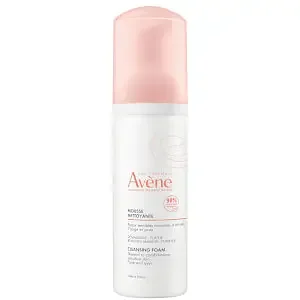
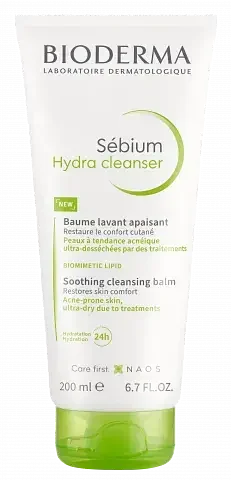
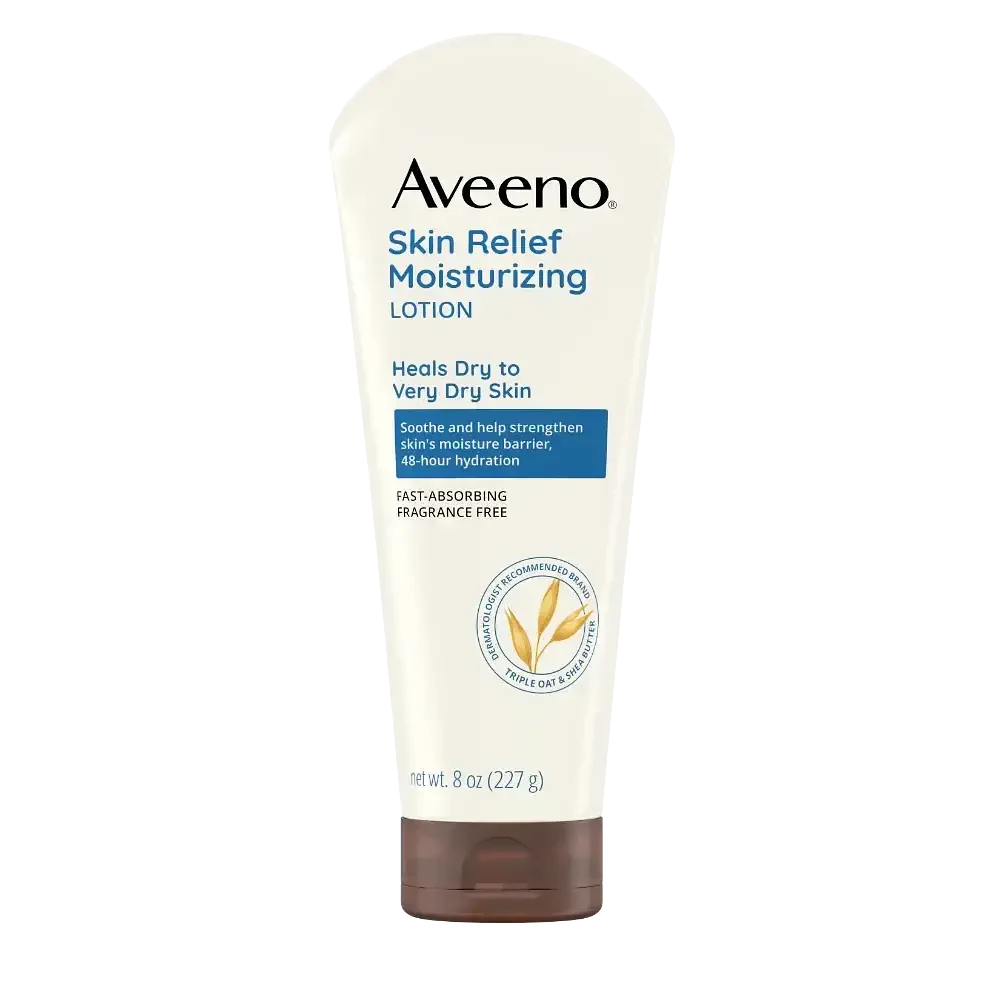
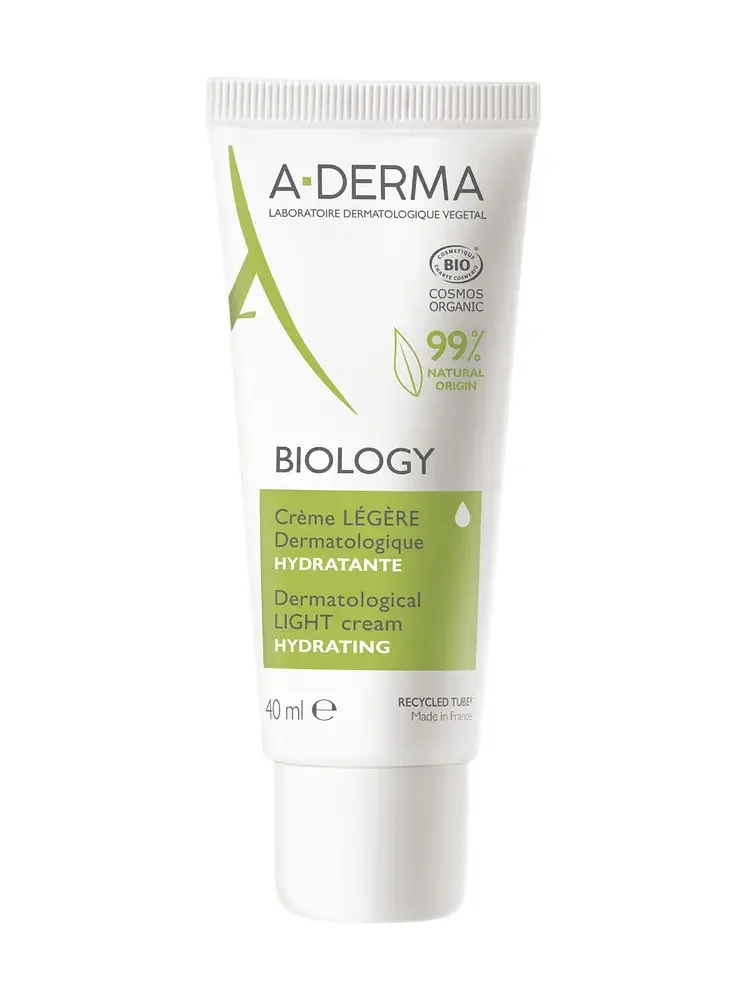
As an Amazon Associate, AllerNote earns from qualifying purchases.
Always scan the actual label before use — formulations change.
Scan a product for this concern
What is formaldehyde?
Formaldehyde is a small, highly reactive molecule — a colourless gas with a sharp smell that dissolves easily in water (a solution is called formalin). It is an excellent antimicrobial, which is why it and its chemical relatives have been used to preserve water-based products for over a century.
In cosmetics today, you rarely meet formaldehyde directly. Instead, it usually reaches your skin in one of two ways: as a deliberate ingredient in a few specific products (notably nail hardeners and some hair-smoothing treatments), or — far more commonly — released slowly from a group of preservatives called formaldehyde releasers.
Two different concerns: allergy vs. cancer
It's worth separating two things that often get blurred together, because the dose and the route of exposure change the picture completely:
- Allergic contact dermatitis (the everyday issue). Formaldehyde is a potent skin sensitiser and one of the most frequent positives on standard patch-test panels. Once sensitised, you can react to very low concentrations — the kind that come from releaser preservatives in a shampoo or lotion. This is the practical concern for most people.
- Cancer risk (the occupational issue). The International Agency for Research on Cancer classifies formaldehyde as a Group 1 carcinogen, but that classification is driven primarily by inhaling formaldehyde vapour over time. The people most at risk are nail technicians and salon workers, and anyone exposed to heated hair-smoothing treatments that off-gas formaldehyde. For ordinary skin contact with trace amounts in cosmetics, the cancer risk is not the headline — the allergy is.
Keeping those apart avoids both complacency and panic: ventilate around nail and hair treatments, and if you're sensitised, focus on avoiding releasers.
How the EU tightened the rules in 2024
Acting on 2021 advice from the Scientific Committee on Consumer Safety, the EU lowered the threshold at which a product must warn about formaldehyde. Under Regulation (EU) 2022/1181, any finished product where the total released formaldehyde exceeds 0.001% (10 ppm) must now carry the warning "releases formaldehyde," applicable from 31 July 2024 (older stock could sell through to 2026).
The previous threshold was 0.05% (500 ppm) — fifty times higher — and the SCCS concluded it did not protect already-sensitised people. The new label is a genuinely useful signal: if you're formaldehyde-allergic and see "releases formaldehyde," put it back.
The exposures worth singling out
- Nail hardeners and some nail polish. A tightly limited use where formaldehyde may still appear directly; it can cause nail brittleness, cuticle dermatitis, and — via transfer — eyelid rashes.
- Keratin / "Brazilian" hair-smoothing treatments. Many release formaldehyde gas when heated with a flat iron. The US FDA has warned about this specifically. Irritation of the eyes, nose, and throat during or after treatment is a red flag.
- Eyelash extension adhesives. Some contain or release formaldehyde, a cause of eyelid and peri-ocular dermatitis.
- Releaser-preserved rinse-off and leave-on products. The quiet, everyday source — see the releaser pages below.
How to avoid formaldehyde
- Check for it directly — Formaldehyde, Formalin, Methanal, Methylene oxide — and heed any "releases formaldehyde" warning on EU products.
- Learn the releasers and avoid them if you're sensitised: DMDM hydantoin, quaternium-15, imidazolidinyl urea, diazolidinyl urea, sodium hydroxymethylglycinate, 2-bromo-2-nitropropane-1,3-diol (bronopol).
- Ask before hair-smoothing — request a formaldehyde-free system, and make sure the space is well ventilated.
- Choose "formaldehyde-free" nail products — many "5-free"/"10-free" polishes exclude it and its releasers.
When to see a dermatologist
If you have a persistent rash on the hands, face, eyelids, or scalp, or recurring cuticle problems, ask about patch testing. Formaldehyde and the common releasers appear on standard baseline series, and several releasers cross-react — so testing can tell you whether you must avoid the whole group. Seek medical care promptly for breathing difficulty or significant eye/throat irritation after a salon treatment.
The bottom line
Formaldehyde has largely disappeared as a direct cosmetic ingredient, but it hasn't left the building — it now arrives mostly through slow-releasing preservatives and a few specific salon treatments. For most people the day-to-day issue is allergy, not cancer; manage it by learning the releaser names and respecting ventilation around nails and heated hair treatments.
Was this article helpful?
One tap tells us what to write more of. No account needed.
Is this ingredient in your products?
Scan any cosmetic product to check for Formaldehyde and 30+ other allergens instantly.