
Imidazolidinyl Urea
A milder, older formaldehyde-releasing preservative — frequently the "paraben-free" swap-in, and a steady low-level contact allergen
INCIImidazolidinyl Urea
- Category
- Preservative
- Risk level
- medium
- Why it's flagged
- Formaldehyde-releasing preservative — a recognised contact allergen, especially in leave-on products
- What it is
- A formaldehyde-releasing preservative (Germall 115), a relatively weak donor compared with quaternium-15
- EU limit
- Permitted up to 0.6%; "releases formaldehyde" warning applies above 10 ppm released
- Often paired with
- Parabens — the classic Germall-plus-paraben preservative blend
- Cross-reaction
- Formaldehyde-allergic people commonly react; closely related to diazolidinyl urea (Germall II)
Look for these names on ingredient lists
This ingredient may appear under any of these names:
Commonly found in
Possible reactions
- Redness, itching, or rash at the application site
- Eczema flare or contact dermatitis with repeated use
- Eyelid or facial dermatitis from creams and makeup
- Dry, flaky patches over time
Top picks without Imidazolidinyl Urea
Highly rated products whose ingredient lists don't include Imidazolidinyl Urea.
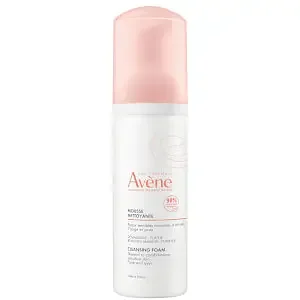
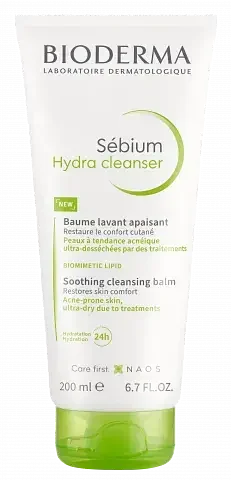
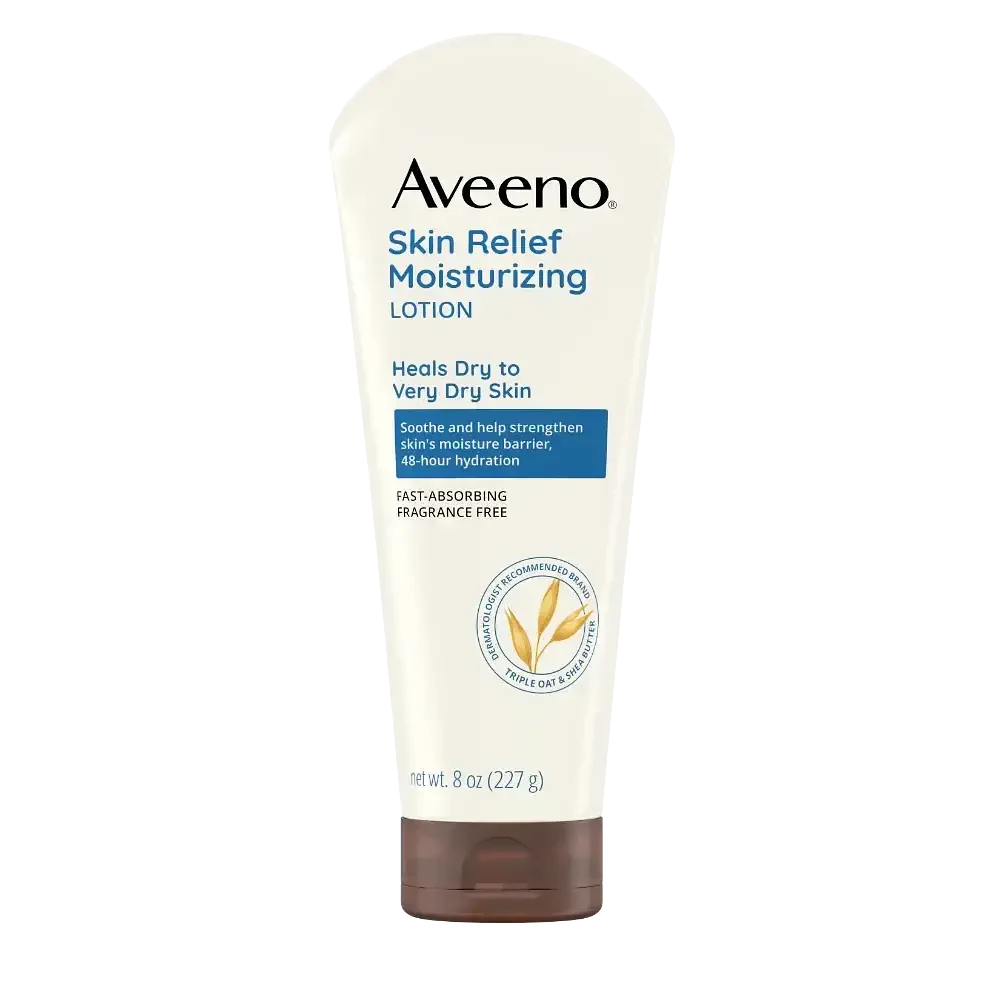
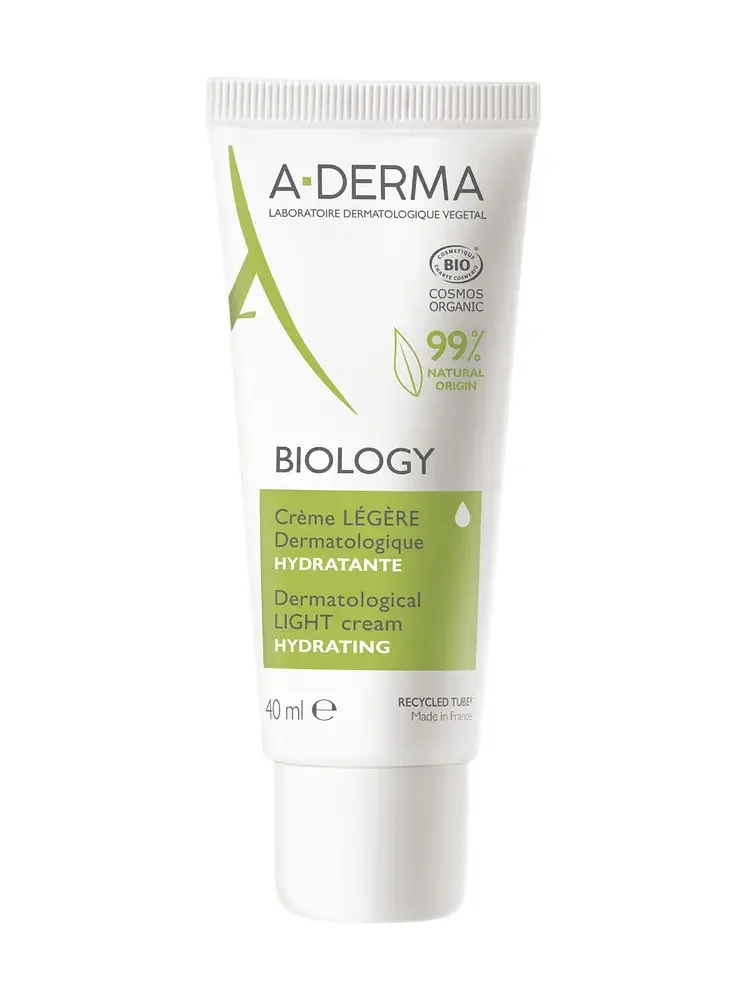
As an Amazon Associate, AllerNote earns from qualifying purchases.
Always scan the actual label before use — formulations change.
Scan a product for this concern
What is imidazolidinyl urea?
Imidazolidinyl urea (trade name Germall 115) is a synthetic preservative used to keep water-based products free of bacteria and fungi. Like its relatives, it works as a formaldehyde releaser: it has no free formaldehyde of its own, but slowly breaks down to release small amounts that do the antimicrobial work.
It's one of the older releasers, introduced as a "gentler" alternative to using formaldehyde directly, and it's a comparatively weak donor — it releases less formaldehyde than quaternium-15. That makes it lower-risk per use, but it is so widely used, and so often left on the skin in lotions and creams, that it remains a common contact allergen overall. In the EU it's permitted up to 0.6%.
The "paraben-free" irony
Imidazolidinyl urea is a textbook example of why the "paraben-free" label can be misleading. When consumer pressure pushed brands away from parabens, many reformulated with formaldehyde releasers like Germall 115 instead. The problem: parabens are actually among the best-tolerated preservatives, with relatively low allergy rates, whereas formaldehyde releasers sensitise more people.
So a product proudly marked "paraben-free" may have swapped a low-allergy preservative for a higher-allergy one. The label tells you what's absent, not whether what's present is kinder to reactive skin.
"Paraben-free," "sulfate-free," and "clean" describe what a product leaves out. None of them tell you whether the preservative actually used suits your skin. For sensitive or formaldehyde-allergic skin, the useful question is always "what is in here?" — which is exactly the check a scan does against your profile.
Why it causes reactions
The released formaldehyde binds to skin proteins and can train the immune system to mount a delayed (24–72 hour) reaction. Because imidazolidinyl urea turns up in lotions, creams, shampoos, and makeup used daily, exposure accumulates — and sensitisation often appears only after long, uneventful use. Leave-on products carry more risk than rinse-off ones because the preservative stays in contact with skin for hours.
It's also closely related to diazolidinyl urea (Germall II); the two frequently cross-react, and both cross-react with formaldehyde.
How to spot and avoid it
- Read labels for Imidazolidinyl Urea, Germall 115, or Imidurea.
- Prioritise leave-on products — moisturisers and makeup matter more than a quick rinse-off.
- Avoid the whole releaser group if formaldehyde-allergic — diazolidinyl urea, DMDM hydantoin, quaternium-15, sodium hydroxymethylglycinate, bronopol.
- Look past "paraben-free" to the actual preservative — phenoxyethanol, caprylyl glycol, or sodium benzoate/potassium sorbate are non-releaser options.
When to see a dermatologist
A slow-building, recurring rash from lotions or makeup — particularly on the face or eyelids — is a good reason to patch test. Imidazolidinyl urea and formaldehyde are on standard baseline series, so testing can confirm whether you need to avoid the whole releaser family.
The bottom line
Imidazolidinyl urea is a mild, old-school formaldehyde releaser that's mostly notable for being everywhere — and for being the preservative that quietly replaced parabens in countless "paraben-free" products. If you're formaldehyde-sensitive it belongs on your avoid list, alongside its stronger sibling diazolidinyl urea.
Was this article helpful?
One tap tells us what to write more of. No account needed.
Is this ingredient in your products?
Scan any cosmetic product to check for Imidazolidinyl Urea and 30+ other allergens instantly.
References & further reading
- Formaldehyde releasers in cosmetics — contact allergy review PubMed / Contact Dermatitis
- Commission Regulation (EC) No 1223/2009 — Annex V (preservatives) EUR-Lex
- Imidazolidinyl urea contact allergy — overview DermNet