
Lanolin (Wool Wax)
An excellent natural emollient from sheep wool — well tolerated by most, but a notable allergen on broken or already-irritated skin
INCILanolin
- Category
- Emollient
- Risk level
- low
- What it is
- A complex wax of esters, fatty acids, and alcohols from sheep wool — chemically similar to human skin lipids
- Allergy frequency
- Uncommon on healthy skin; markedly higher on damaged/ulcerated skin (the "lanolin paradox")
- Patch testing
- Screened with lanolin alcohol 30% and Amerchol L-101
- Purified vs crude
- Highly purified and modified lanolins are generally better tolerated than crude lanolin
Look for these names on ingredient lists
This ingredient may appear under any of these names:
Commonly found in
Possible reactions
- Itchy, red rash where applied
- Lip dermatitis — cracking, scaling, or swelling of the lips
- Eczema-like patches on the face or body
- Nipple dermatitis in breastfeeding mothers
- Stubborn dermatitis on leg-ulcer or stasis-eczema skin
Top picks with Lanolin (Wool Wax)
Highly rated products that feature Lanolin (Wool Wax) in their ingredient list.
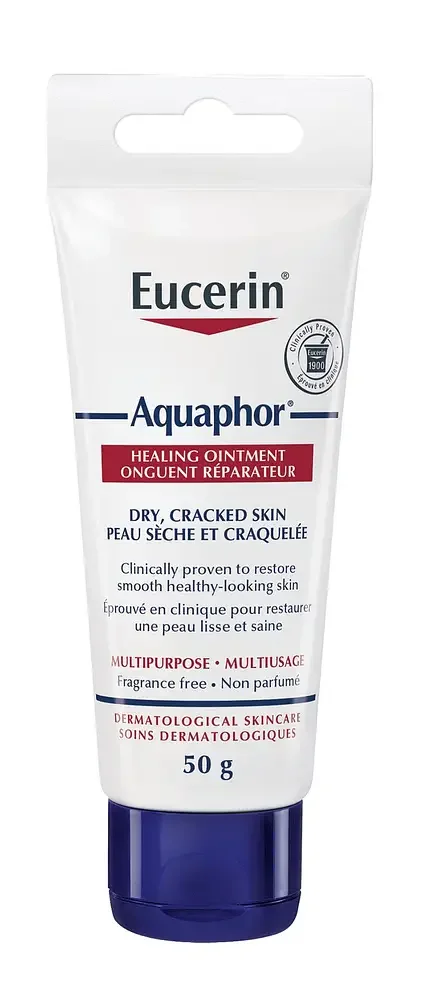
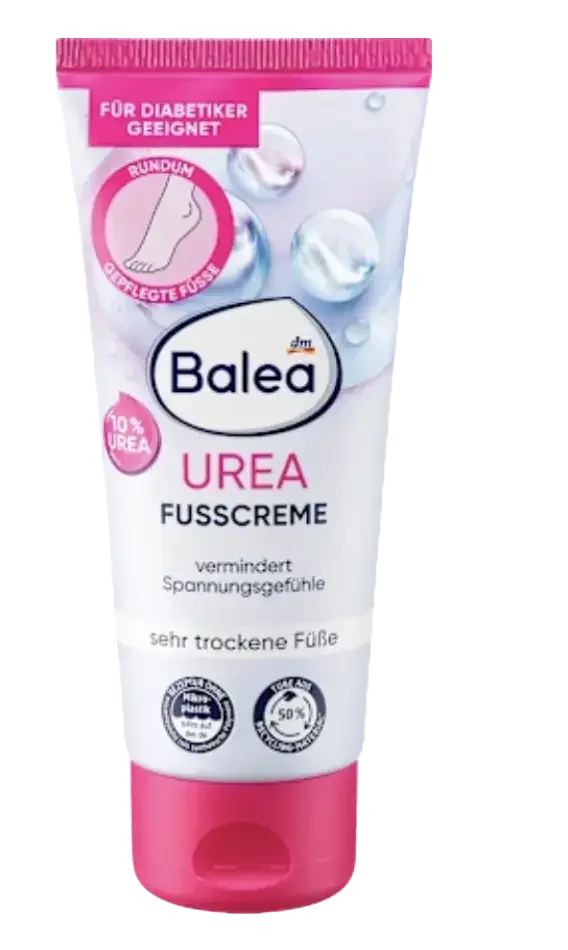
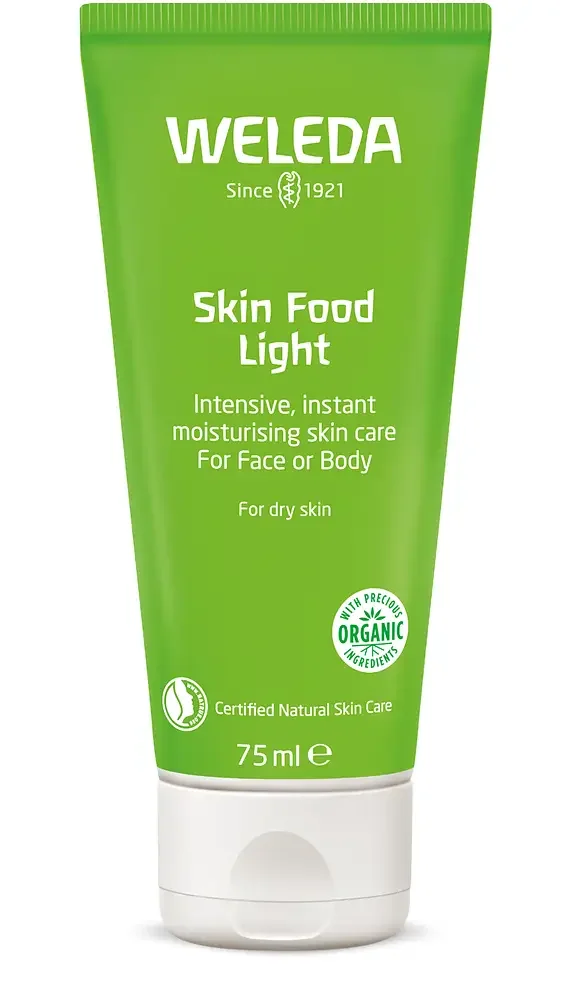
As an Amazon Associate, AllerNote earns from qualifying purchases.
Always scan the actual label before use — formulations change.
Scan a product for this concern
What is lanolin?
Lanolin is a natural wax extracted from sheep's wool (the sheep are shorn, not harmed). Chemically it's a rich mixture of esters, fatty acids, and lanolin alcohols that closely mimics the lipids in human skin — which is exactly why it's such a good emollient and barrier-repair ingredient. It seals in moisture and helps a damaged skin barrier recover, and it's been used in skincare and medicine for over a century.
You'll find it in lip balms, heavy moisturisers and barrier creams, nipple creams for breastfeeding, diaper-rash creams, and some conditioners. For the great majority of people, lanolin is safe and genuinely useful. For a minority, it's an allergen — and the who and where of that allergy is the interesting part.
The lanolin paradox
Lanolin has a reputation as a "common allergen" that doesn't quite match the data. On healthy skin, true lanolin allergy is uncommon. But studies repeatedly show much higher rates among people applying it to damaged skin — particularly leg ulcers, stasis dermatitis, and chronic eczema. This is the so-called "lanolin paradox": the same ingredient that's well tolerated on intact skin sensitises far more readily on broken, inflamed skin, because damaged skin is more permeable and primed for an immune response.
The practical message: lanolin isn't a villain to be avoided by everyone. It's an excellent emollient that deserves caution mainly when you're putting it on already-compromised skin — the lips, an eczema flare, cracked nipples, a healing wound.
Why (and when) it causes reactions
Lanolin allergy is a delayed (Type IV) hypersensitivity — an itchy, eczema-like contact dermatitis appearing a day or two after use. A few nuances matter:
- Crude vs purified. Modern, highly purified and modified lanolins are generally better tolerated than older crude lanolin. Some reactions historically blamed on lanolin may relate to specific fractions or wool contaminants rather than the whole substance.
- High-contact, high-risk sites. Lips and nipples are damaged, occluded, long-contact areas — the most common places lanolin dermatitis shows up.
- Patch testing nuance. Lanolin can be tricky to test; dermatologists use lanolin alcohol 30% and Amerchol L-101 to improve detection.
How to spot and avoid lanolin
- Check labels for Lanolin, Wool Wax, Wool Fat, Adeps Lanae, Lanolin Alcohol, or Hydrogenated Lanolin.
- Scrutinise lip and nipple products first — these are the usual culprits.
- Don't trust "natural" — lanolin is natural and a potential allergen; the two aren't opposites.
- Patch test if unsure — useful especially if you have leg-ulcer or eczema-prone skin and a stubborn rash.
Safer alternatives (if you're lanolin-allergic)
- Lip care: plain petrolatum (petroleum jelly), shea/cocoa butter, squalane, or beeswax balms without lanolin.
- Moisturisers: ceramide-based creams, petrolatum, dimethicone, or plant oils (jojoba, sunflower, squalane).
- Nipple care: lanolin-free balms, or plain coconut/olive oil.
When to see a dermatologist
If you have a persistent rash on the lips, face, nipples, or lower legs that doesn't settle — or worsens — with an emollient, ask about patch testing with lanolin alcohol and Amerchol L-101. Confirming or excluding lanolin allergy is especially worthwhile for people with eczema or leg ulcers, where it matters most.
The bottom line
Lanolin is one of the best barrier-repair emollients available and, on healthy skin, rarely a problem. Its allergy story is really a story about broken skin — so treat it with respect on lips, nipples, and inflamed areas, and don't write it off everywhere else.
Was this article helpful?
One tap tells us what to write more of. No account needed.
Is this ingredient in your products?
Scan any cosmetic product to check for Lanolin (Wool Wax) and 30+ other allergens instantly.