
Methylparaben
One of the most-feared yet least-allergenic cosmetic preservatives — the science is far kinder to parabens than their reputation suggests
INCIMethylparaben
- Category
- Preservative
- Risk level
- low
- Why it's flagged
- A low-frequency contact allergen; reactions are uncommon and mostly occur on already-damaged skin
- Allergy frequency
- Low — parabens are among the least sensitising preservatives in patch-test data
- EU status
- Methyl- and ethylparaben are SCCS-approved as safe; max 0.4% single, 0.8% total parabens
- The "paraben paradox"
- Well tolerated on healthy skin, but can react on broken/eczematous skin (e.g. leg ulcers)
- Endocrine concern
- Only very weak estrogenic activity in lab tests; methyl/ethylparaben judged safe at cosmetic doses
Look for these names on ingredient lists
This ingredient may appear under any of these names:
Commonly found in
Possible reactions
- Uncommon: mild redness or rash at the application site
- Itching on sensitive or broken skin
- Contact dermatitis (infrequent compared with other preservatives)
Top picks with Methylparaben
Highly rated products that feature Methylparaben in their ingredient list.

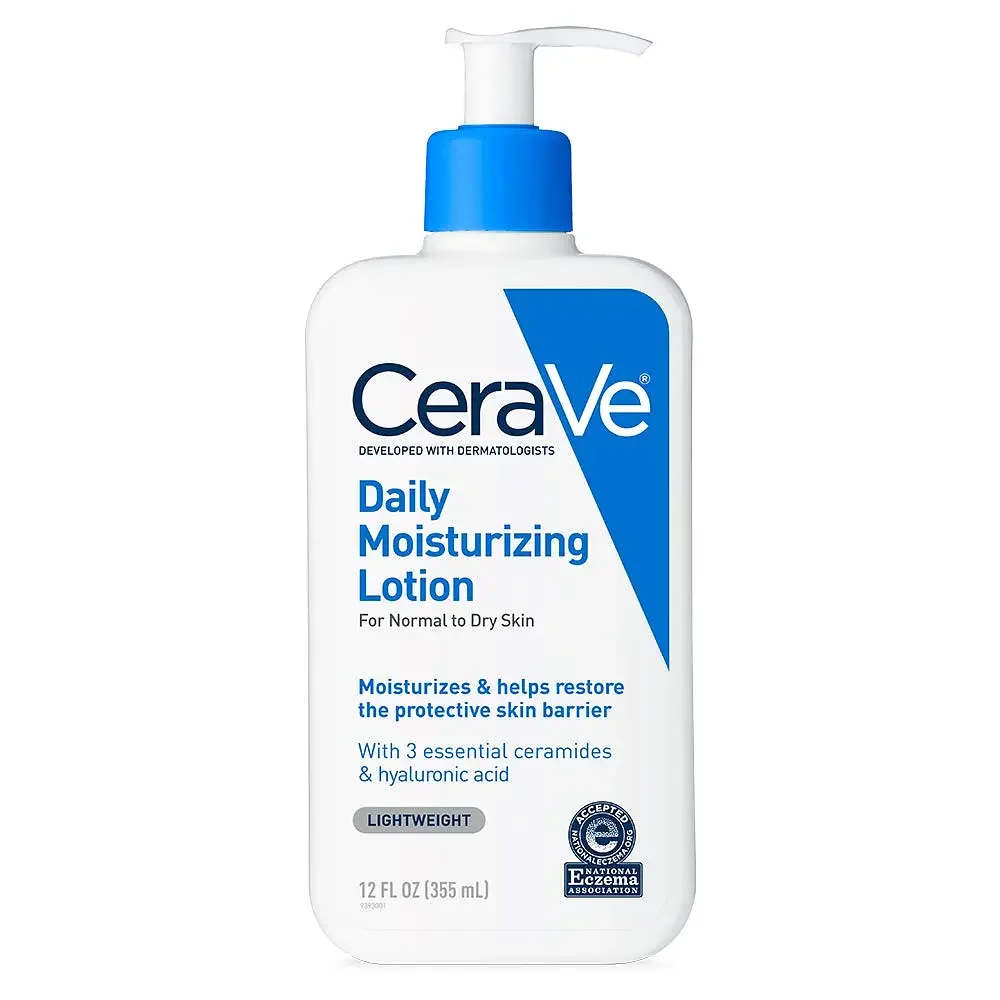
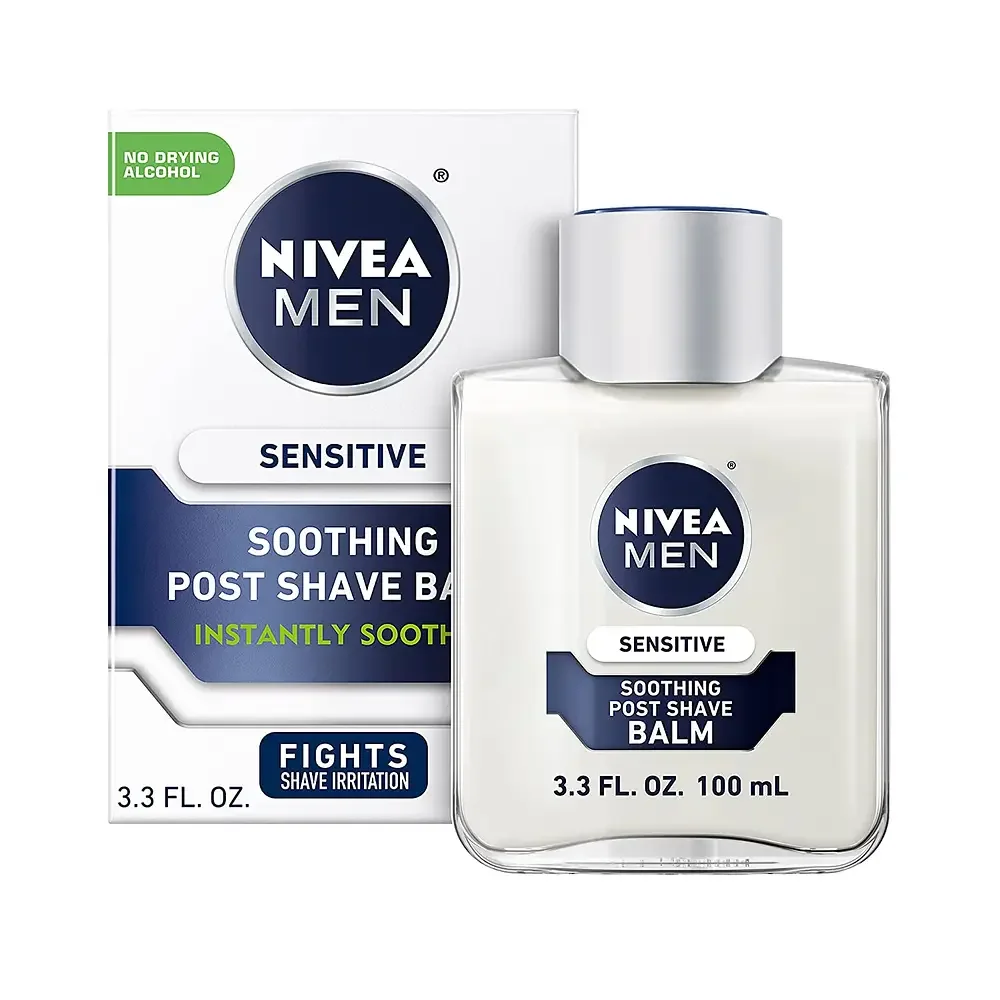
As an Amazon Associate, AllerNote earns from qualifying purchases.
Always scan the actual label before use — formulations change.
Scan a product for this concern
What is methylparaben?
Methylparaben is an ester of para-hydroxybenzoic acid and one of the most widely used preservatives in the world. It protects water-based products from bacteria, mould, and yeast, and it's been doing that job safely in cosmetics since the 1920s. It works by disrupting microbial membranes and enzymes, and it's especially good against mould and yeast — which is why it appears in everything from moisturisers to makeup.
It's also, fairly or not, the poster child for "scary cosmetic chemicals." So this page is going to push back a little, because the dermatological and regulatory picture is genuinely reassuring, and chasing "paraben-free" can actually make sensitive skin worse.
The reputation vs. the evidence
Two concerns get attached to parabens — allergy and hormones. Here's where the evidence actually lands:
- As an allergen, methylparaben is mild. In patch-test data, parabens are among the least sensitising preservatives. The preservatives that commonly cause contact allergy are methylisothiazolinone and the formaldehyde releasers — not parabens.
- The hormone concern is weak. Parabens show only very weak estrogen-like activity in laboratory studies. The EU's Scientific Committee on Consumer Safety reviewed them and considers methyl- and ethylparaben safe at the concentrations used in cosmetics (max 0.4% for a single paraben, 0.8% total). (Some longer-chain parabens were restricted or banned as a precaution — see below — but methyl and ethyl were not.)
In other words, the ingredient with the worst reputation is one of the safer, gentler choices on the shelf.
The "paraben paradox"
There is a real but narrow exception worth naming: the "paraben paradox." Parabens rarely cause trouble on healthy skin, but they can provoke dermatitis when applied to broken or chronically inflamed skin — classically leg ulcers and eczema. So a small group of people are genuinely paraben-allergic (usually identified by patch testing), and for them avoidance is correct. For everyone else, methylparaben on intact skin is a non-issue.
When brands dropped parabens under consumer pressure, many swapped in methylisothiazolinone (MI) or formaldehyde releasers — preservatives that cause allergy far more often. If you have sensitive skin and you've been preferentially buying "paraben-free," it's worth checking what replaced the parabens. "Free-from" labels describe an absence, not a benefit.
A note on the other parabens
Not all parabens are treated the same. As a precaution (Regulation (EU) 1004/2014), the EU banned isopropyl-, isobutyl-, phenyl-, benzyl-, and pentylparaben for lack of data, and lowered the limit on propyl- and butylparaben. Methyl- and ethylparaben were left fully approved. So "parabens" is not one monolithic thing — methylparaben is the most-studied and most-trusted of the family.
How to identify it
Look for Methylparaben, Methyl 4-hydroxybenzoate, or E218. Parabens usually sit near the end of an ingredient list because they're used in small amounts.
When avoidance makes sense
Avoid methylparaben if you have a patch-test-confirmed paraben allergy, or if you're applying products to broken or ulcerated skin. In those cases, suitable alternatives include phenoxyethanol, sodium benzoate/potassium sorbate, or caprylyl glycol — though note that some of these have their own (different) sensitivity profiles.
The bottom line
Methylparaben is a long-used, well-studied, low-allergy preservative that regulators consider safe at cosmetic levels. Unless you have a confirmed paraben allergy or are treating damaged skin, it's not the ingredient worth worrying about — and "paraben-free" is not a reliable shortcut to gentler products.
Was this article helpful?
One tap tells us what to write more of. No account needed.
Is this ingredient in your products?
Scan any cosmetic product to check for Methylparaben and 30+ other allergens instantly.