
Oxybenzone (Benzophenone-3)
The chemical UV filter most associated with photoallergy — plus the environmental and absorption debates that got it banned in reef zones
INCIBenzophenone-3
- Category
- Sunscreen / UV Filter
- Risk level
- medium
- Why it's flagged
- The chemical UV filter most commonly responsible for photoallergic contact dermatitis
- Reaction type
- Classically photoallergic — needs the ingredient on skin plus UV light together
- The top filter allergen
- Oxybenzone is the chemical sunscreen filter most often implicated in photoallergic contact dermatitis
- Reef-zone bans
- Banned from sale in Hawaii, Key West, Palau, and the US Virgin Islands over coral-reef concerns
- EU status
- Permitted but with tightened limits (around 6%), following SCCS review
Look for these names on ingredient lists
This ingredient may appear under any of these names:
Commonly found in
Possible reactions
- Itchy rash appearing in sun-exposed areas (photoallergy)
- Redness and swelling where sunscreen was applied, after sun
- Contact dermatitis even without sun in some people
- Eczema flare on the face or other exposed skin
Top picks without Oxybenzone (Benzophenone-3)
Highly rated products whose ingredient lists don't include Oxybenzone (Benzophenone-3).
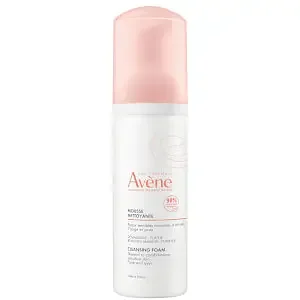
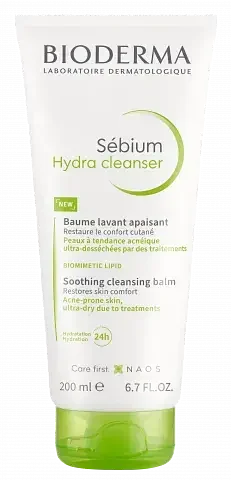
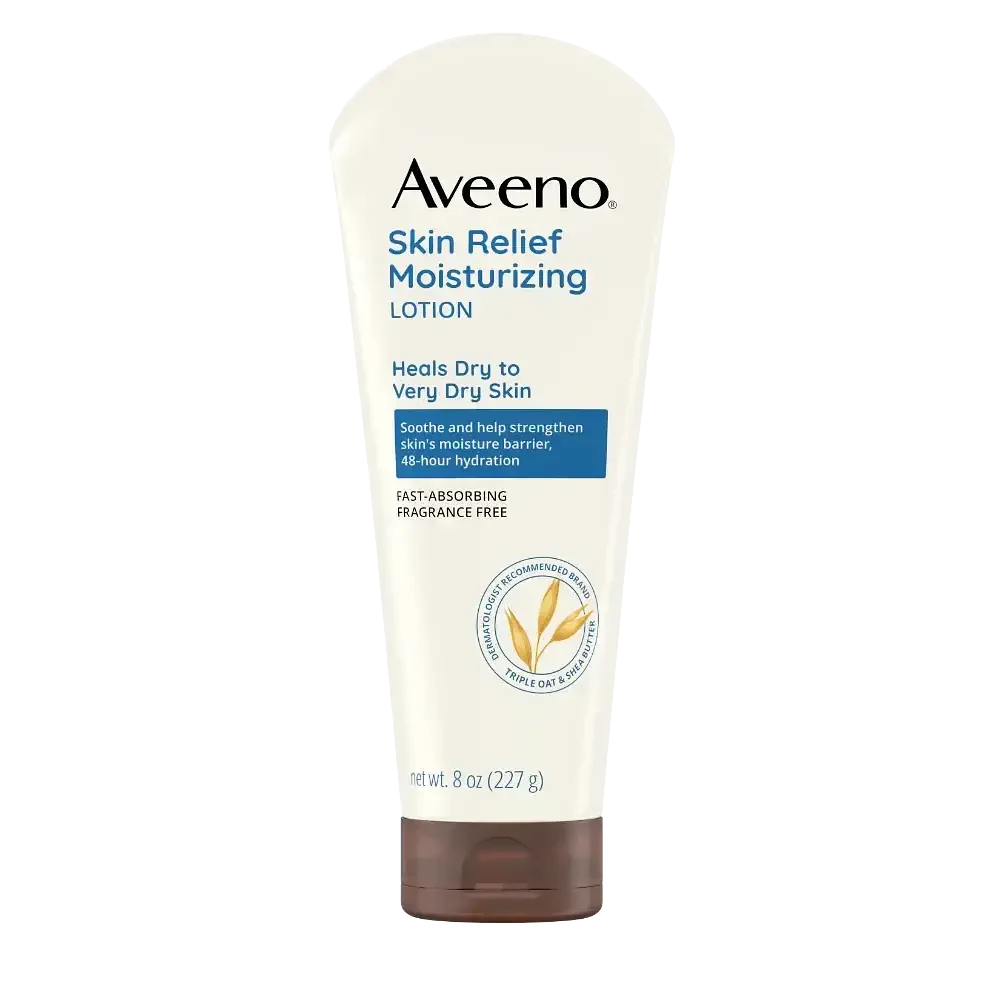
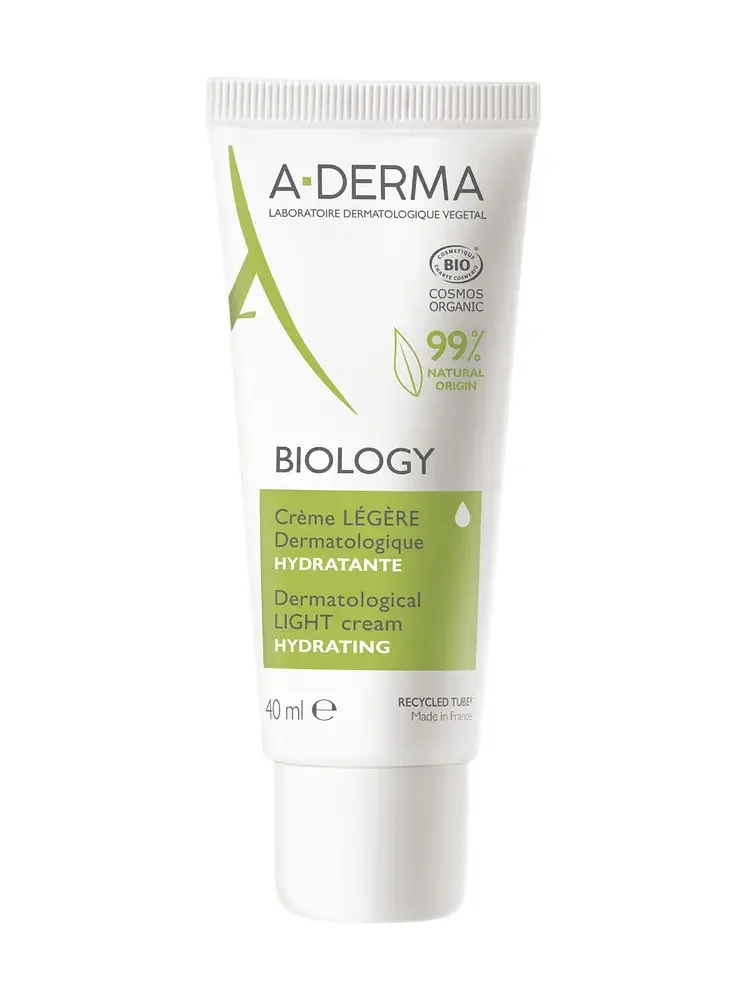
As an Amazon Associate, AllerNote earns from qualifying purchases.
Always scan the actual label before use — formulations change.
Scan a product for this concern
What is oxybenzone?
Oxybenzone (INCI: Benzophenone-3, or BP-3) is a chemical UV filter that absorbs both UVB and some UVA light. In use since the 1960s, it was for decades one of the most common sunscreen actives worldwide. It's effective — but it now carries three distinct controversies that are worth keeping separate, because they get blurred together: skin allergy, skin absorption, and environmental impact.
For the purposes of this site, the first one is the headline: oxybenzone is the chemical sunscreen filter most often responsible for photoallergic contact dermatitis.
Photoallergy: the reaction that needs sunlight
Unlike an ordinary contact allergy, oxybenzone classically causes a photoallergic reaction — you need both the ingredient on your skin and UV exposure to trigger it:
- Oxybenzone absorbs UV light.
- That energy chemically alters the molecule.
- The altered molecule provokes an immune response.
- A rash appears in sun-exposed areas where you applied the product.
This is genuinely confusing in practice, because the rash shows up after going outside — so people blame the sun, or "heat," rather than the sunscreen that was supposed to help. If your sunscreen seems to cause a rash specifically on sunny days, oxybenzone is the prime suspect, and a mineral sunscreen is the cleanest test.
The absorption debate, fairly stated
In 2019–2020 the US FDA published studies showing oxybenzone is absorbed through skin into the bloodstream at levels far above the threshold (0.5 ng/mL) at which the agency requests additional safety testing. That sounds alarming, so two things need saying clearly:
- The threshold is a "do more testing" line, not a "this causes harm" line. Exceeding it means the data don't yet exist to fully clear it — not that harm is proven.
- The FDA did not advise people to stop using sunscreen. Unprotected UV exposure is an established skin-cancer risk; oxybenzone harm in humans is not established. Sun protection still wins.
If you'd simply rather not engage with the uncertainty, mineral filters (zinc oxide, titanium dioxide) are not meaningfully absorbed.
The reef bans
Citing studies linking it to coral bleaching, Hawaii, Key West, Palau, and the US Virgin Islands have banned the sale of oxybenzone-containing sunscreens. The environmental science continues to be argued over, but for anyone who snorkels or dives, switching to a zinc-oxide sunscreen for water days is an easy way to sidestep it.
How to spot and avoid it
- Check the actives panel for Oxybenzone or Benzophenone-3 / BP-3.
- If you get sun-triggered rashes, switch to a mineral sunscreen and see if they stop.
- For reef travel, choose pure zinc oxide.
- For kids and very sensitive skin, mineral filters are the conservative default (the American Academy of Pediatrics suggests mineral sunscreens for infants over 6 months, and shade/clothing under 6 months).
Safer alternatives
- Mineral filters: zinc oxide and titanium dioxide — low allergy, not meaningfully absorbed, reef-friendly.
- Lower-allergy chemical UVA: avobenzone (properly stabilised).
- Newer broad-spectrum filters (EU/UK/Asia): Tinosorb S/M (bemotrizinol/bisoctrizole), Mexoryl, Uvinul — excellent profiles, though not all are FDA-approved in the US, so availability depends on where you shop.
The bottom line
Oxybenzone is an effective but problem-prone filter: it's the chemical sunscreen most likely to cause photoallergic rashes, and it sits at the centre of the absorption and reef debates. None of those mean "stop wearing sunscreen" — they mean that if oxybenzone is an issue for you (or you'd rather avoid the debate), mineral sunscreens are a clean, well-tolerated swap.
Was this article helpful?
One tap tells us what to write more of. No account needed.
Is this ingredient in your products?
Scan any cosmetic product to check for Oxybenzone (Benzophenone-3) and 30+ other allergens instantly.