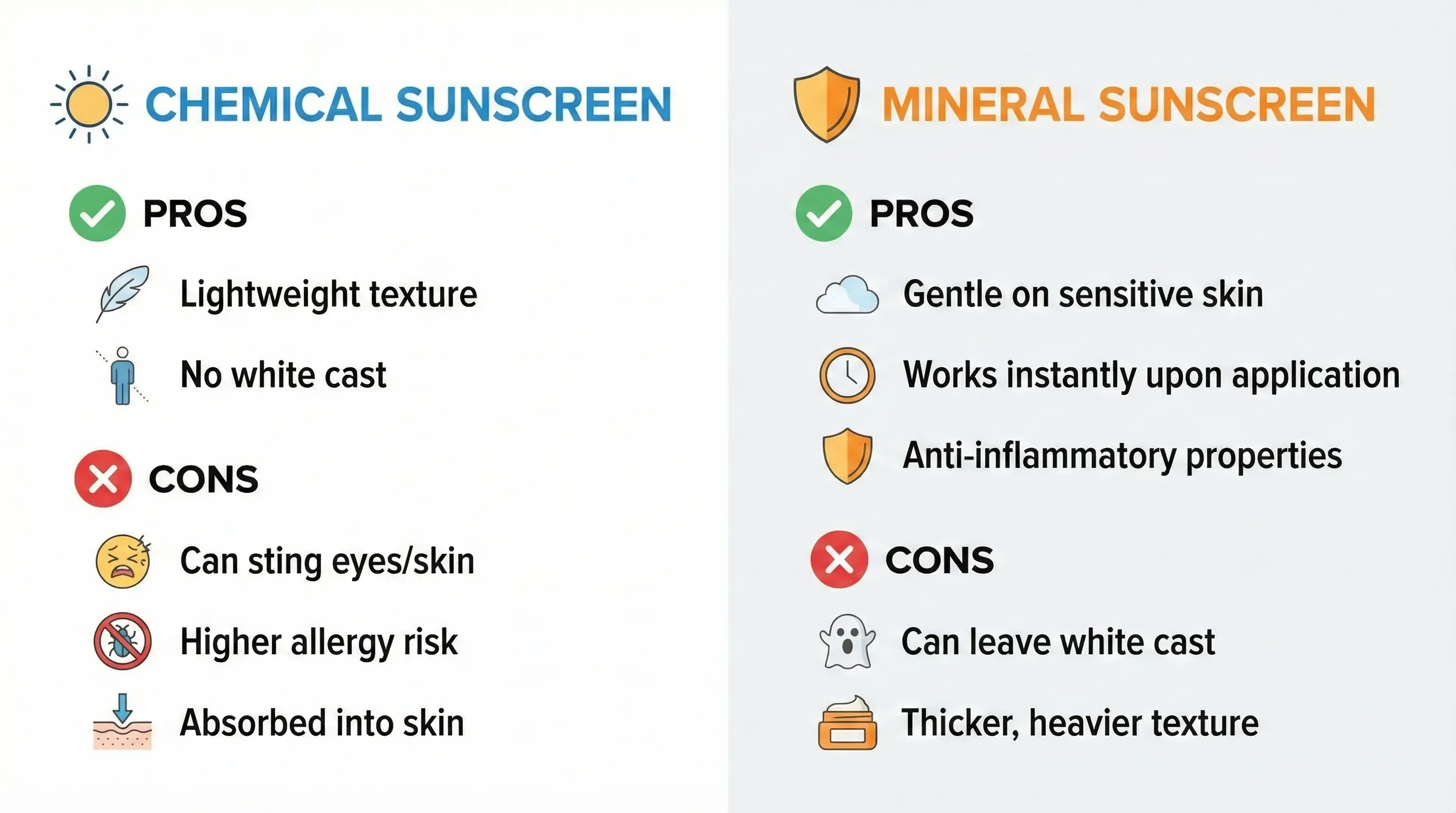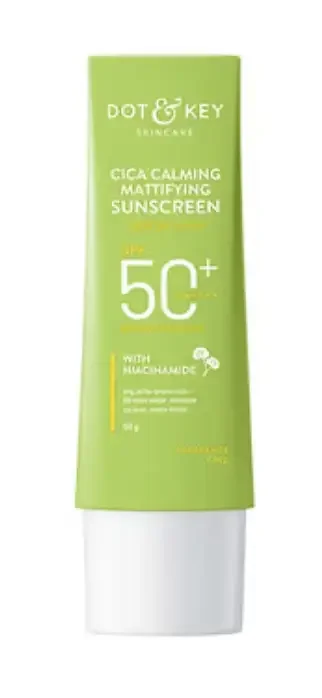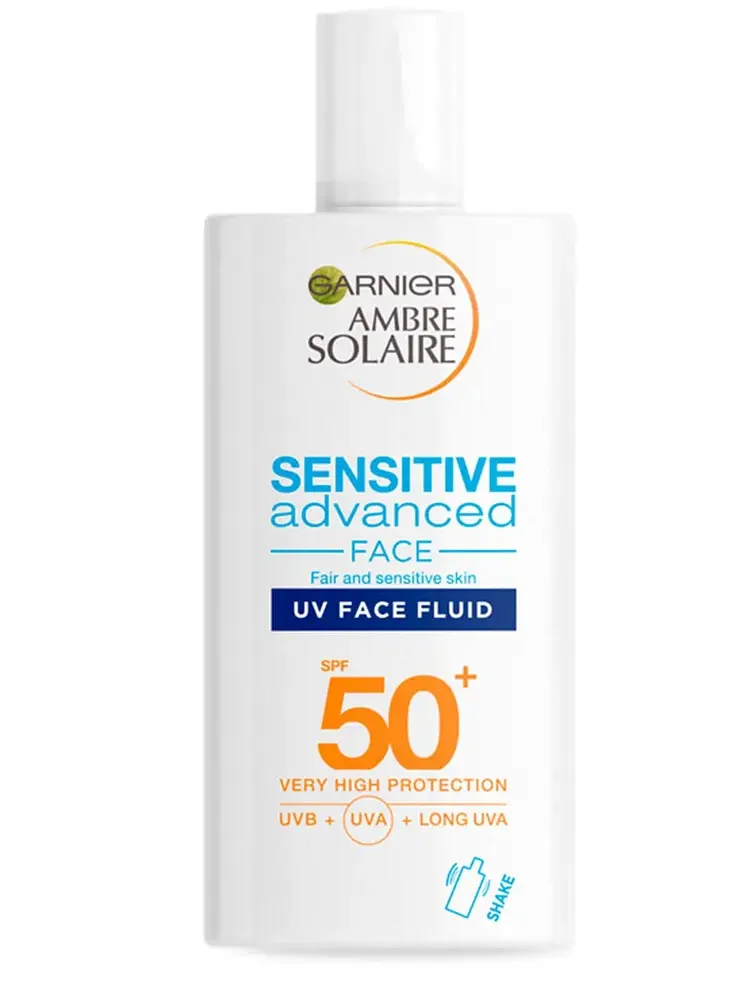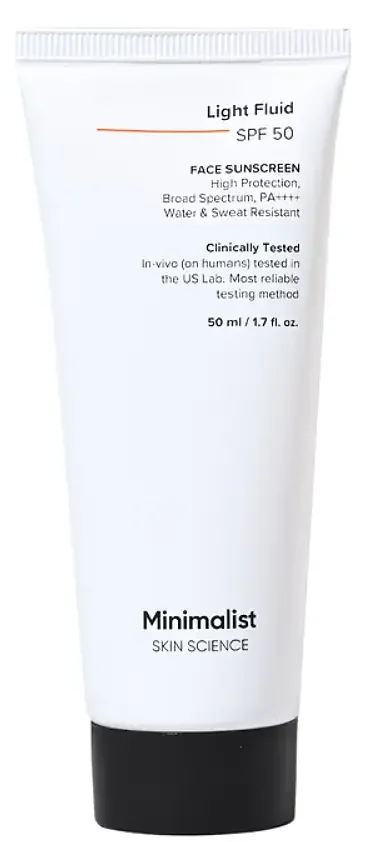
The sunscreen paradox
Sunscreen is essential — UV damage is the #1 cause of premature skin aging and skin cancer risk. But if your sunscreen irritates your skin, you probably won't use it consistently. Finding one that works without causing reactions is one of the most common skincare challenges.
More people skip sunscreen because of irritation than because of cost. Finding the right formula matters more than finding the highest SPF.
Chemical vs mineral: what's the difference?
Chemical (organic) sunscreens
How they work: Absorb UV rays and convert them to heat
Common filters:
- Oxybenzone (Benzophenone-3) — most common allergen
- Avobenzone — can be unstable, sometimes irritating
- Octinoxate (Ethylhexyl Methoxycinnamate) — moderate irritation potential
- Homosalate — generally well-tolerated
- Octocrylene — rising sensitizer concern
Pros: Lightweight, no white cast, elegant textures Cons: Can cause stinging, more allergy potential, some concerns about absorption
Mineral (inorganic) sunscreens
How they work: Sit on skin surface and reflect/scatter UV rays
Filters:
- Zinc Oxide — broad-spectrum, anti-inflammatory, gentle
- Titanium Dioxide — UVB protection mainly, very gentle
Pros: Gentle, works immediately, anti-inflammatory (zinc) Cons: White cast (especially on darker skin tones), can feel thick
Mineral sunscreens with zinc oxide are generally the best starting point for sensitive, reactive, or rosacea-prone skin. The white cast issue has improved dramatically with modern formulations.
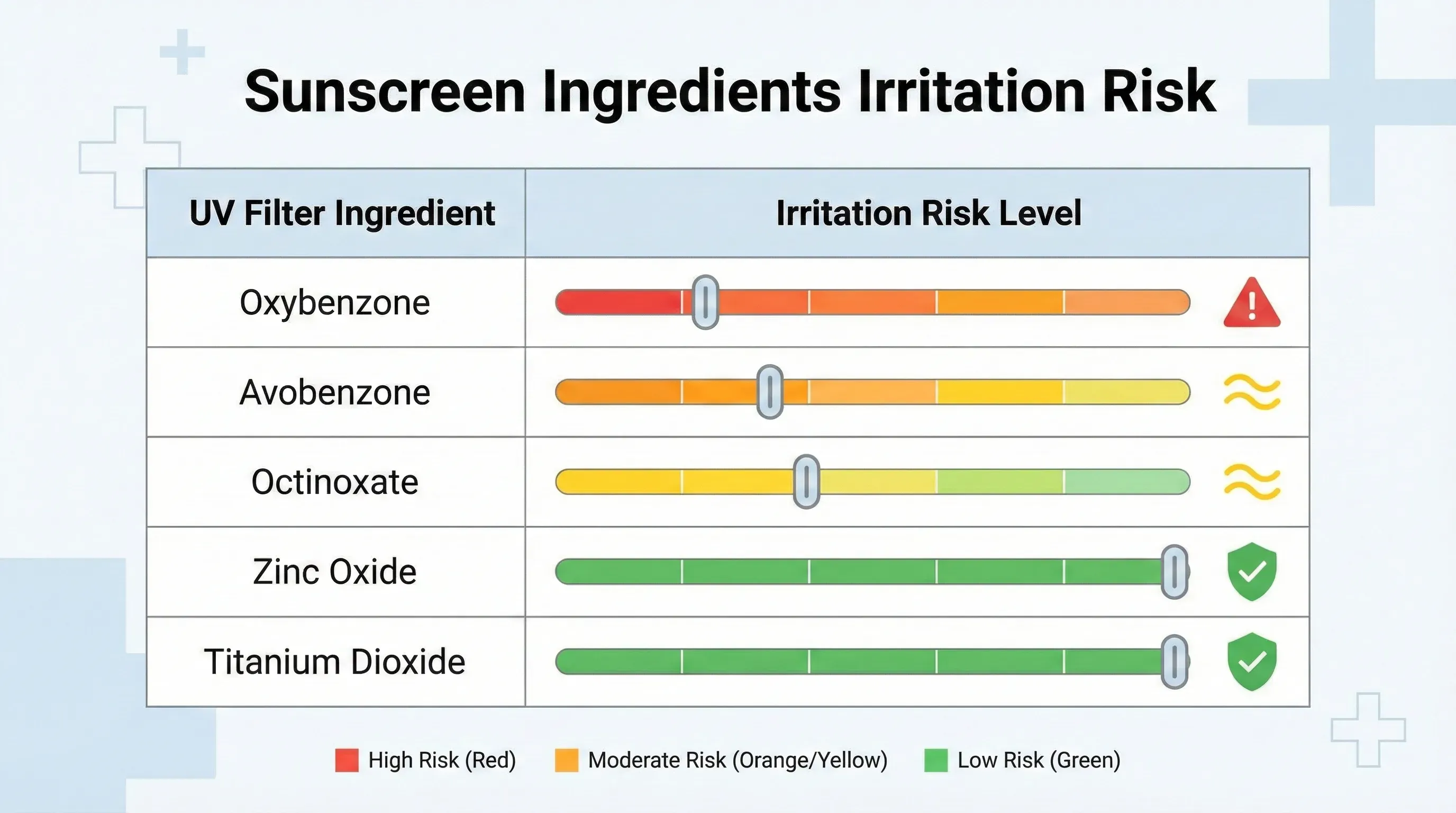
Most problematic sunscreen ingredients
| Ingredient | Risk Level | Notes |
|---|---|---|
| Oxybenzone | High | Most common photoallergen; banned in Hawaii for reef damage |
| Fragrance/Parfum | High | Added for scent, completely unnecessary in sunscreen |
| Octinoxate | Moderate | Can cause contact dermatitis |
| Octocrylene | Moderate | Rising reports of photoallergy |
| Alcohol Denat | Moderate | Drying, can irritate compromised skin barriers |
| Avobenzone | Low-Moderate | Unstable alone, usually stabilized with other filters |
| Zinc Oxide | Very Low | Anti-inflammatory, rarely causes reactions |
| Titanium Dioxide | Very Low | Very gentle, minimal irritation risk |
Why sunscreens cause breakouts
Sunscreen breakouts are often caused by:
- Comedogenic ingredients — some emollients and silicones clog pores
- Too heavy a formula — rich creams on oily/acne-prone skin
- Not removing properly — sunscreen needs proper cleansing at night
- Fragrance irritation — mistaken for acne
Fix: Try a lightweight, fragrance-free mineral sunscreen and double-cleanse at night.
Matching the formula to your skin tone and climate
Two real-world factors decide whether you'll actually wear your sunscreen every day — and they're worth solving deliberately:
- Deeper skin tones and white cast. Traditional mineral (zinc/titanium) sunscreens can leave a grey or ashy cast that's far more visible on medium-to-deep skin. The fixes that genuinely work: tinted mineral sunscreens (iron oxides match a range of tones and add visible-light protection, useful for melasma) and well-formulated hybrid sunscreens that blend a little mineral with modern filters for less cast.
- Heat and humidity. Rich, heavy creams feel suffocating and pill in humid weather, which is a top reason people stop reapplying. Look for gel, fluid or "milk" textures, and apply thinner layers more often rather than one thick coat.
A couple of formula traps worth knowing anywhere: many budget SPFs stack 3–4 chemical filters plus fragrance (more potential irritants in one bottle), and "moisturiser + SPF" combos often deliver less real-world protection than a dedicated sunscreen because people under-apply them.
How to find your sunscreen
Step 1: Start mineral
Try a zinc oxide-based sunscreen without fragrance. Use it for 2 weeks.
Step 2: Check for common issues
- White cast? → Try a tinted mineral or hybrid formula
- Too greasy? → Switch to gel or fluid texture
- Pilling? → Apply less, or change your moisturizer underneath
Step 3: If mineral doesn't work
Try a chemical sunscreen without oxybenzone and without fragrance. Newer filters like Tinosorb S and Tinosorb M are generally well-tolerated.
Step 4: Always patch test
Apply to your jawline for 3-4 days before using on full face.
Scan your sunscreen with AllerNote to see which UV filters it contains and whether any are flagged as common irritants. Compare multiple options before buying.
Three different problems people call "sunscreen allergy"
Many people use the word allergy for any bad sunscreen experience, but the fix depends on the pattern:
1. Immediate stinging
This usually points to barrier damage, fragrance, alcohol, or eye-area sensitivity rather than a true allergy.
2. Delayed itchy rash
This is more compatible with allergic or photoallergic contact dermatitis, especially if it appears hours later and repeats with the same filters.
3. Breakouts and congestion
This is often a texture or formulation problem rather than an allergy.
Separating these patterns saves time because the replacement product should solve the actual problem, not the label you used for it.
How to choose sunscreen based on your skin problem
| If your main issue is... | Better starting point |
|---|---|
| Eczema or frequent stinging | fragrance-free mineral sunscreen |
| Rosacea or facial flushing | zinc-heavy mineral or hybrid formula |
| Acne or clogged pores | lightweight fluid or gel texture, fragrance-free |
| Deeper skin tone and white cast concerns | tinted mineral or well-formulated hybrid sunscreen |
| Eye irritation | low-fragrance, lower-alcohol formulas; avoid applying too close to lash line |
Application tricks that reduce irritation
Sometimes the product is acceptable, but the way it is used creates problems:
- apply moisturizer first if your barrier is dry or compromised
- let skincare settle before sunscreen to reduce pilling and rubbing
- avoid applying strong active serums right before a sunscreen that already stings
- do a multi-day jawline test before full-face use
- reapply with a method you can tolerate, not one that makes you avoid sunscreen entirely
What to do if every sunscreen seems to sting
If every SPF burns, the sunscreen may not be the only problem. Consider:
- active eczema, rosacea, or barrier damage
- overuse of retinoids, acids, benzoyl peroxide, or exfoliants
- fragranced cleansers or moisturizers underneath
- applying sunscreen immediately after shaving or on broken skin
In this situation, the first move may be to calm the barrier for a week, not to keep buying new SPFs.
A simple sunscreen reset plan
For one week, reduce the variables:
- use a gentle cleanser and moisturizer only
- choose one fragrance-free sunscreen
- apply it to the same area each day
- note whether the problem is sting, itch, rash, or breakouts
This makes your next decision much easier than testing random formulas every other day.
Bottom line
The right sunscreen is the one that protects your skin and gets used consistently. For sensitive skin, tolerability is not a luxury feature - it is part of whether the product can succeed.
That is why the search for a better sunscreen is worth doing methodically instead of giving up after two or three bad experiences.
FAQ
Can I be allergic to mineral sunscreens?
It's very rare. Zinc oxide and titanium dioxide are among the least allergenic cosmetic ingredients. If mineral sunscreen irritates you, it's likely another ingredient in the formula (fragrance, preservative).
Is higher SPF more irritating?
Sometimes. Higher SPF requires more UV filter, which can increase irritation. SPF 30-50 is sufficient for daily use and generally better tolerated than SPF 100+.
Should I skip sunscreen if it irritates me?
No — find a different formula. UV damage is cumulative. A hat + mineral sunscreen on exposed areas is better than skipping protection entirely.