
Paraphenylenediamine (PPD)
The workhorse of permanent hair dye — and one of the most severe cosmetic allergens, behind the dangerous "black henna" tattoo reactions
INCIp-Phenylenediamine
- Category
- Dye / Colorant
- Risk level
- high
- Why it's flagged
- A leading cause of hair-dye allergy; can cause severe, occasionally dangerous reactions
- What it does
- A colourless intermediate that oxidises to dark pigment inside the hair shaft — hence its use in black and dark-brown dyes
- Allergy prevalence
- Around 4–6% of patch-tested patients react to PPD
- EU regulation
- Permitted in oxidative hair dye up to 2% (as free base); banned for direct skin use such as tattoos
- Cross-reactors
- PTD (toluene-2,5-diamine), some azo/textile dyes, benzocaine and related "para" chemicals
Look for these names on ingredient lists
This ingredient may appear under any of these names:
Commonly found in
Possible reactions
- Severe scalp redness, swelling, and weeping after dyeing
- Swelling of the face, eyelids, and ears
- Blistering rash, sometimes spreading beyond the dyed area
- With "black henna" tattoos: a sharp, blistering rash in the shape of the design
- Rarely, severe systemic reactions needing emergency care
Top picks without Paraphenylenediamine (PPD)
Highly rated products whose ingredient lists don't include Paraphenylenediamine (PPD).
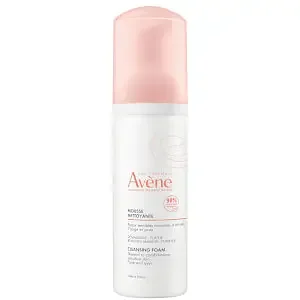
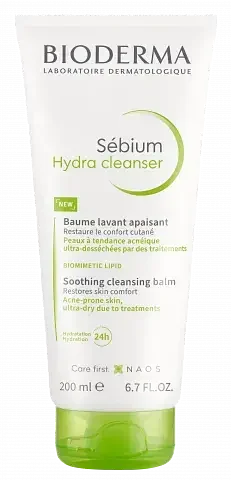
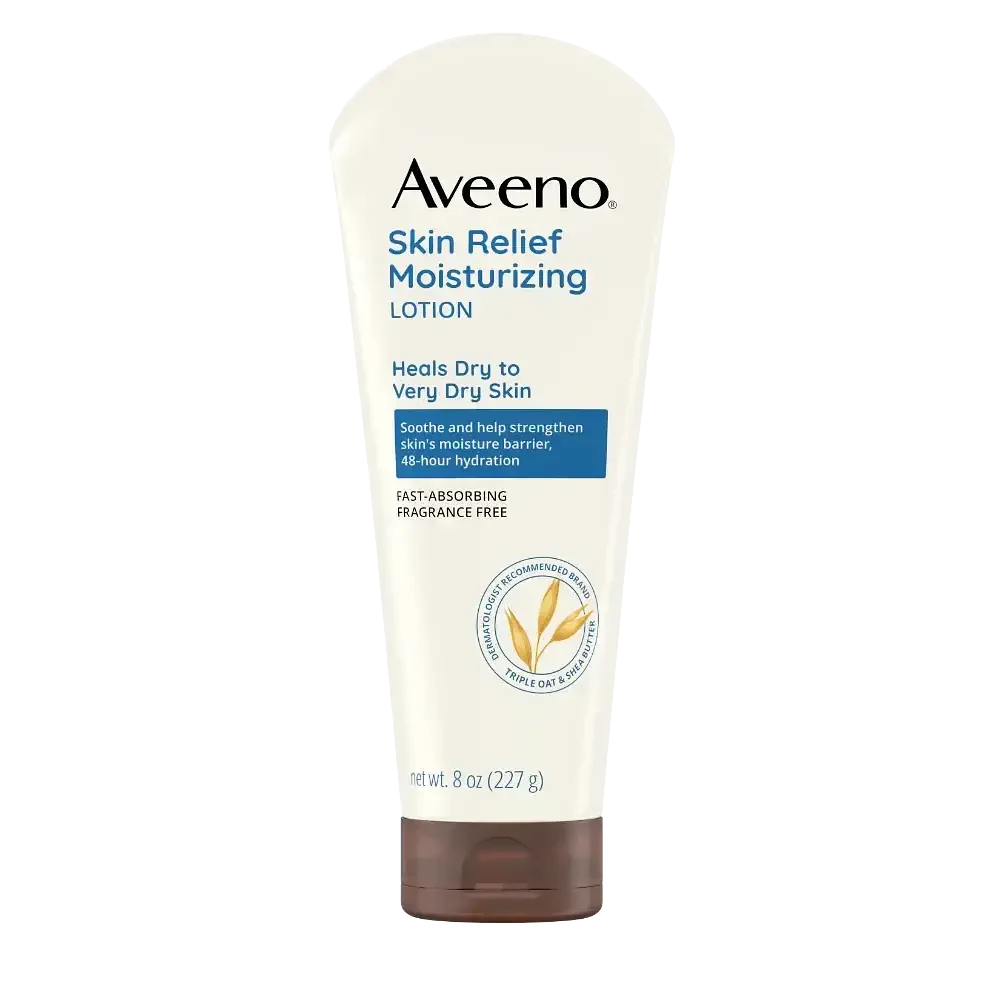
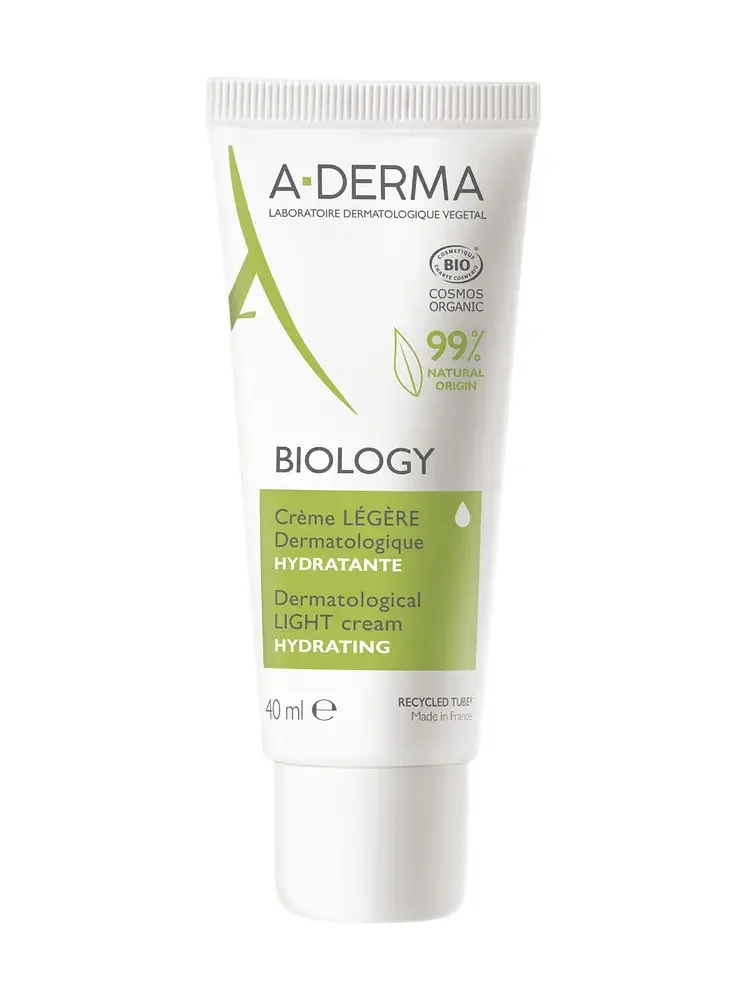
As an Amazon Associate, AllerNote earns from qualifying purchases.
Always scan the actual label before use — formulations change.
Scan a product for this concern
What is PPD?
Paraphenylenediamine (PPD) is the most widely used permanent hair-dye chemical in the world. It's a colourless intermediate that penetrates the hair shaft and, when combined with an oxidiser (usually hydrogen peroxide), reacts to form a dark, wash-resistant pigment. Because that colour-forming reaction produces deep shades, PPD is found especially in black and dark-brown dyes; lighter shades use less or substitute alternatives.
PPD is also one of the most clinically significant cosmetic allergens — both because it sensitises strongly and because its reactions can be unusually severe.
Why PPD reactions can be serious
PPD is a potent sensitiser, and its allergy follows a pattern that catches people off guard:
- Early exposures may be uneventful while the immune system learns the molecule.
- A later application triggers the reaction — sometimes after years of trouble-free dyeing.
- Reactions can escalate fast — from scalp itching to marked swelling of the scalp, face, eyelids, and ears. Severe cases need medical care.
And the sensitisation is permanent: once PPD-allergic, you remain so for life, with no desensitisation treatment available. That's why dermatologists and dye manufacturers recommend a 48-hour skin allergy test before every colouring, not just the first.
The "black henna" danger
The most dangerous form of PPD exposure isn't hair dye at all — it's "black henna" temporary tattoos, sold at markets, beaches, and tourist destinations.
- Natural henna (Lawsonia inermis) is reddish-brown and PPD-free.
- "Black henna" is darkened by adding high concentrations of PPD and painting it directly onto skin — a use PPD is never meant for and is banned for in regulated markets.
The result can be a severe, blistering chemical burn and allergic reaction in the exact shape of the design, often followed by lifelong PPD sensitisation. It is particularly hazardous for children. The simple rule: if a temporary tattoo is jet black, walk away.
A small itchy patch days after dyeing is contact dermatitis to manage with your doctor. But rapid swelling of the face, eyelids, lips, or throat, or difficulty breathing after hair dye or a "black henna" tattoo, is an emergency — seek urgent medical care immediately.
How to spot and avoid PPD
- Read the label for p-Phenylenediamine, PPD, para-Phenylenediamine, or CI 76060.
- Always patch test before dyeing — 48 hours ahead, every time, even with a familiar product.
- Avoid "black henna" entirely; only use natural reddish-brown henna if you want a plant dye.
- Be cautious with "PPD-free" — it may contain PTD (toluene-2,5-diamine), a frequent cross-reactor. Patch test the actual product.
- Consider alternatives — demi/semi-permanent dyes (lower or no PPD) or pure henna for reddish tones.
Cross-reactions worth knowing
PPD belongs to the "para" chemical group, so PPD-allergic people may also react to PTD, some azo/textile dyes (think dark synthetic fabrics against sweaty skin), and certain "para" drugs such as benzocaine. If you're PPD-positive, mention this group to your dermatologist.
The bottom line
PPD makes dark, long-lasting hair colour possible, but it's a strong, lifelong sensitiser with a rare capacity for severe reactions. Patch test before every dye, never go near "black henna," and treat "PPD-free" claims as a prompt to check for PTD rather than a guarantee.
Was this article helpful?
One tap tells us what to write more of. No account needed.
Is this ingredient in your products?
Scan any cosmetic product to check for Paraphenylenediamine (PPD) and 30+ other allergens instantly.