
Propylparaben
The longer-chain paraben usually paired with methylparaben — still a low-frequency allergen, but held to a tighter EU limit as a precaution
INCIPropylparaben
- Category
- Preservative
- Risk level
- low
- Why it's flagged
- A low-frequency contact allergen; EU limit lowered as a precaution for longer-chain parabens
- Often paired with
- Methylparaben — the two give broader antimicrobial coverage together
- EU status
- Propyl- and butylparaben limited to 0.14% combined (Reg (EU) 1004/2014) as a precaution
- Allergy frequency
- Low — like other parabens, a relatively gentle preservative
- Cross-reaction
- People allergic to one paraben often react to others
Look for these names on ingredient lists
This ingredient may appear under any of these names:
Commonly found in
Possible reactions
- Uncommon: mild redness or rash at the application site
- Itching on sensitive or broken skin
- Contact dermatitis (infrequent)
Top picks with Propylparaben
Highly rated products that feature Propylparaben in their ingredient list.

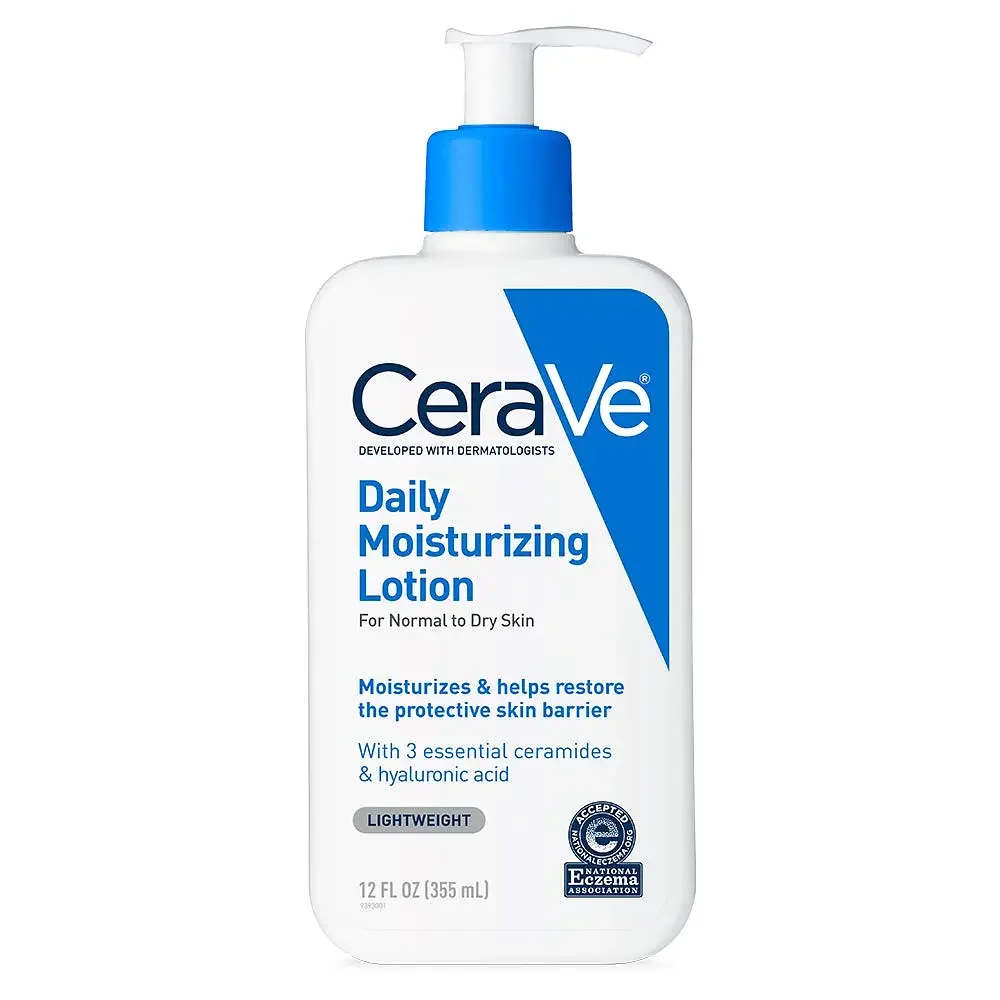
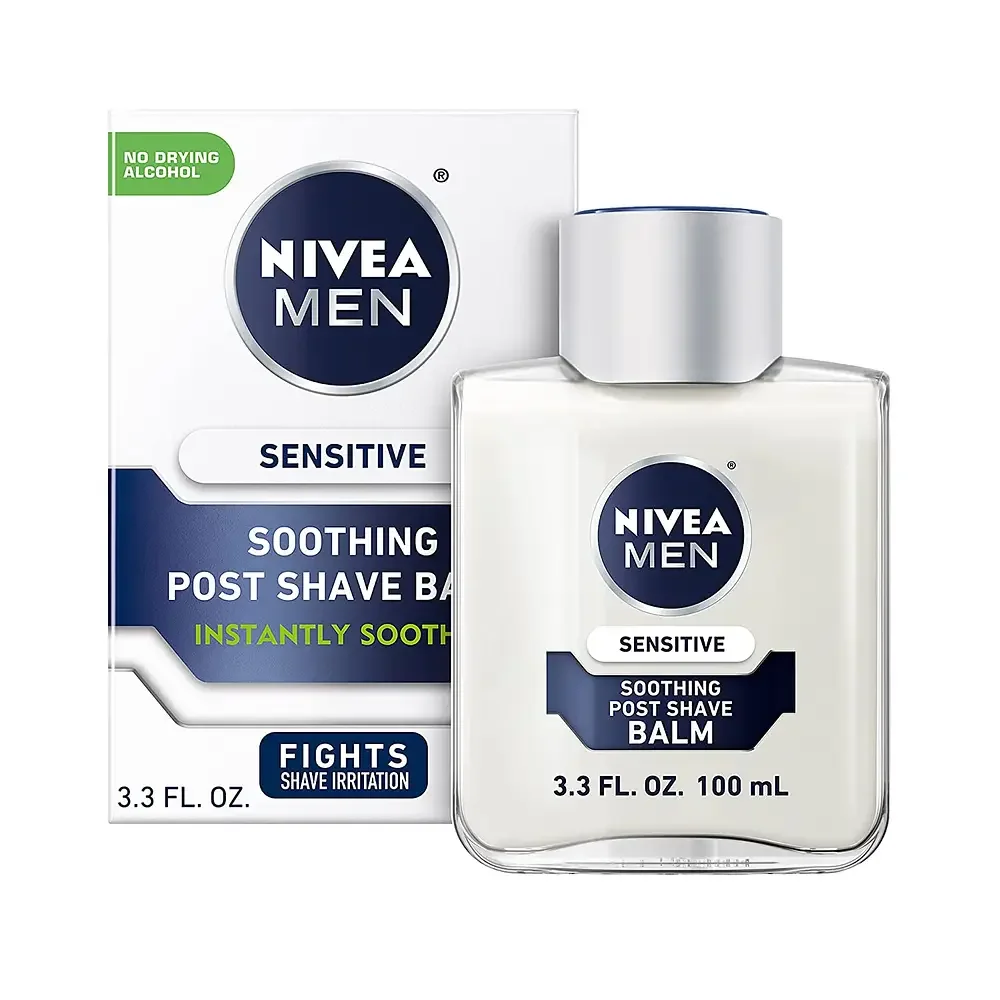
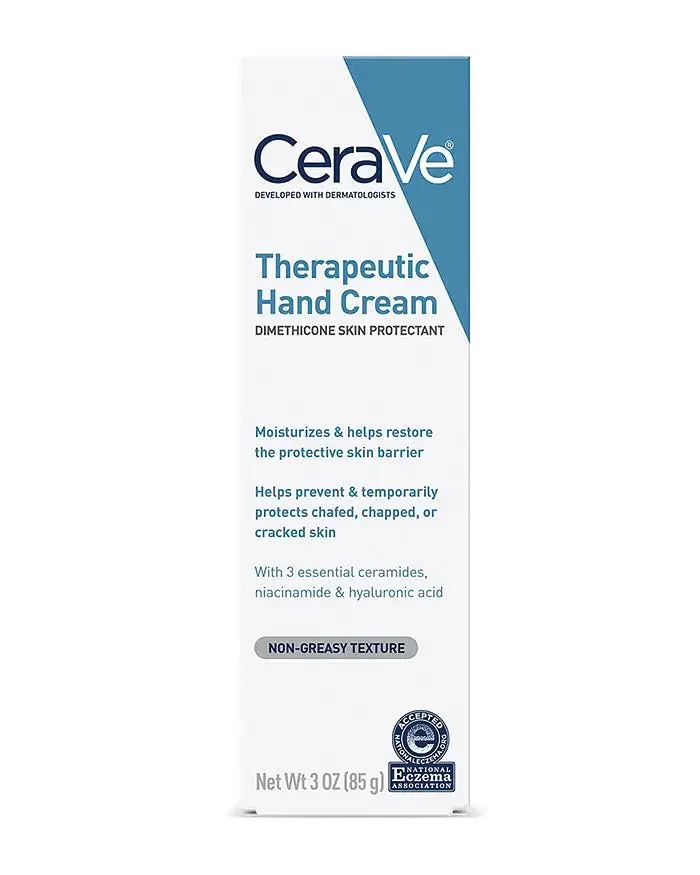
As an Amazon Associate, AllerNote earns from qualifying purchases.
Always scan the actual label before use — formulations change.
Scan a product for this concern
What is propylparaben?
Propylparaben is the propyl ester of para-hydroxybenzoic acid — a close relative of methylparaben and a long-standing cosmetic preservative. Formulators frequently use the two together, because the combination covers a broader range of bacteria, mould, and yeast than either does alone. That methyl-plus-propyl pairing has been an industry standard for decades, appearing in moisturisers, makeup, and haircare.
Like the rest of the paraben family, propylparaben has a reputation far worse than the evidence warrants — but there's one real nuance that distinguishes it from methylparaben: regulators treat the longer-chain parabens a little more cautiously.
The precautionary limit (what actually happened)
It's worth being precise, because "parabens were restricted" gets repeated without detail:
- The longer-chain parabens — propyl- and butylparaben — show marginally stronger estrogen-like activity in laboratory studies than methyl- and ethylparaben.
- Acting on that, the EU (Regulation (EU) 1004/2014) lowered the combined limit for propyl- and butylparaben to 0.14%, and separately banned five rarely-used parabens (isopropyl-, isobutyl-, phenyl-, benzyl-, pentylparaben) for lack of safety data.
- Crucially, methyl- and ethylparaben kept their full approval (0.4% single / 0.8% total).
This is precautionary risk management, not a finding of harm at the levels used. Propylparaben within its limit is still considered acceptable; it's simply held to a tighter ceiling than its shorter cousin.
As an allergen, still gentle
For contact allergy — the thing that actually causes most people's rashes — propylparaben behaves like the rest of the family: it's a low-frequency sensitiser. The same "paraben paradox" applies: reactions are uncommon on healthy skin but more likely on broken or chronically inflamed skin. And because parabens are structurally similar, someone allergic to one usually reacts to the others, so a confirmed paraben allergy is best managed by avoiding the group.
Dropping propylparaben isn't automatically an upgrade. The preservatives that replaced parabens in many "clean" reformulations — methylisothiazolinone, formaldehyde releasers — are more frequent allergens. If you're avoiding parabens to calm reactive skin, check what's doing the preserving instead.
How to identify it
Look for Propylparaben, Propyl 4-hydroxybenzoate, or E216 — usually near the end of the ingredient list, and often right next to methylparaben.
When avoidance makes sense
Avoid propylparaben if you have a patch-test-confirmed paraben allergy (in which case avoid all parabens), or when treating broken or ulcerated skin. Otherwise, on healthy skin and within its regulated limit, it's a low-risk preservative.
The bottom line
Propylparaben is methylparaben's usual partner: a low-allergy, long-used preservative that the EU holds to a tighter limit purely as a precaution. It's not the bogeyman it's made out to be — and "paraben-free" remains a marketing claim, not a guarantee of gentler skin.
Was this article helpful?
One tap tells us what to write more of. No account needed.
Is this ingredient in your products?
Scan any cosmetic product to check for Propylparaben and 30+ other allergens instantly.
References & further reading
- Paraben contact allergy — overview DermNet
- Commission Regulation (EU) No 1004/2014 (paraben limits and bans) EUR-Lex
- SCCS Opinion on parabens European Commission (SCCS)