
Sodium Lauryl Sulfate (SLS)
A strong foaming cleanser that strips and irritates skin — an irritant, not a true allergen, and the subject of a persistent (false) cancer myth
INCISodium Lauryl Sulfate
- Category
- Surfactant
- Risk level
- low
- Why it's flagged
- A strong surfactant that commonly causes irritation and dryness (irritant, not allergic, contact dermatitis)
- Type of reaction
- Irritant, not allergic — dose-dependent and affects most people at high enough concentration
- Used as a benchmark
- So reliably irritating that researchers use it as the standard "irritant control" in patch testing
- The cancer myth
- SLS is not a carcinogen — a long-running internet claim with no scientific basis
- Not the same as SLES
- Sodium Laureth Sulfate (SLES) is the milder, ethoxylated cousin
Look for these names on ingredient lists
This ingredient may appear under any of these names:
Commonly found in
Possible reactions
- Dry, tight-feeling skin after washing
- Redness and irritation
- Flaking or peeling
- Worsening of eczema or dermatitis
- Scalp dryness; mouth-ulcer aggravation from toothpaste in some people
Top picks without Sodium Lauryl Sulfate (SLS)
Highly rated products whose ingredient lists don't include Sodium Lauryl Sulfate (SLS).
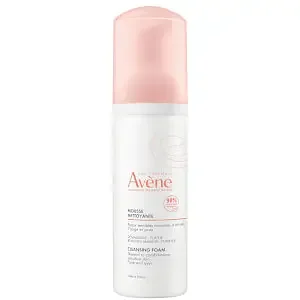
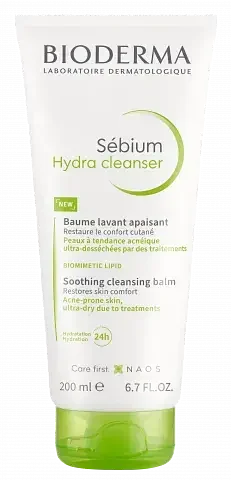
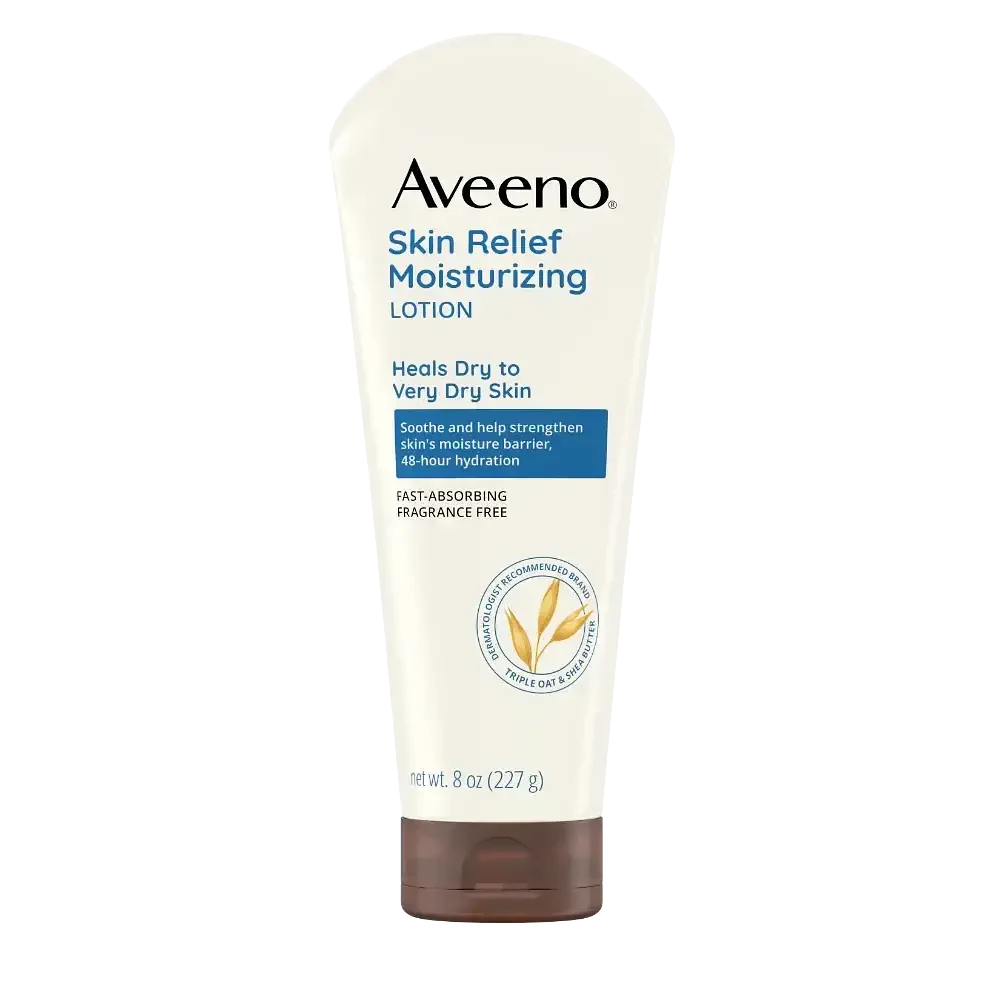
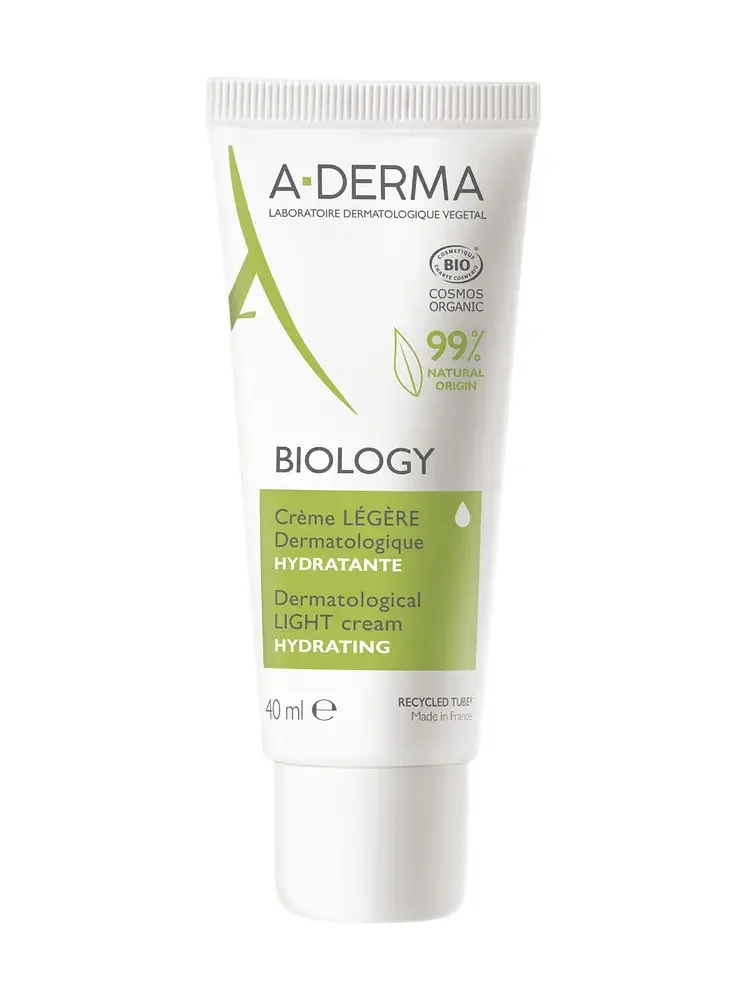
As an Amazon Associate, AllerNote earns from qualifying purchases.
Always scan the actual label before use — formulations change.
Scan a product for this concern
What is sodium lauryl sulfate?
Sodium lauryl sulfate (SLS) is a powerful surfactant — a molecule that foams and lifts away oil and dirt. It's one of the cheapest, most effective cleansing agents there is, which is why it turns up everywhere from shampoo to toothpaste to industrial degreasers. It works by lowering the surface tension between oil and water so oily residue rinses away.
The catch is simple: the same property that makes SLS great at cleaning makes it great at stripping your skin's own protective oils. Used heavily or on already-sensitive skin, that leaves the barrier dry, tight, and irritated.
Irritant, not allergen — an important distinction
SLS causes irritant contact dermatitis, not allergic contact dermatitis, and the difference is practical:
- It affects almost everyone at a high enough concentration — it isn't about individual immune sensitivity.
- It's dose-dependent — more SLS, or more frequent washing, means more irritation.
- There's no sensitisation period — irritation can happen the first time, unlike a true allergy that has to develop.
- It resolves when you stop.
In fact, SLS is so reliably irritating that researchers use it as the standard irritant control in patch testing. People with eczema, rosacea, or otherwise sensitive skin react at lower concentrations, but the mechanism is irritation, not allergy.
The cancer myth
If you've read that SLS "causes cancer," you can let that go — it's one of the most durable cosmetic myths online, and it isn't supported by cancer-research evidence. SLS's real downside is irritation. The myth is sometimes a garbled version of a different concern: 1,4-dioxane, a trace by-product that can form when surfactants are ethoxylated — which applies to SLES, not SLS — and which manufacturers control by purification.
SLS vs SLES
Sodium laureth sulfate (SLES) is SLS that's been "ethoxylated," making the molecule larger and gentler while still foaming well. Most modern "mild" cleansers use SLES instead of SLS.
| Property | SLS | SLES |
|---|---|---|
| Irritation potential | Higher | Lower |
| Foaming | Strong | Strong |
| Cost | Very cheap | Slightly more |
| Label name | Sodium Lauryl Sulfate | Sodium Laureth Sulfate |
How to spot and avoid it
- Check the front for "SLS-free" or "sulfate-free" — then confirm on the back.
- Scan the first five ingredients of cleansers, where surfactants live.
- Don't confuse it with SLES — the milder cousin one letter-cluster away.
- Prefer gentler surfactants if your skin is reactive: cocamidopropyl betaine, sodium cocoyl isethionate, or sugar-based glucosides (decyl/coco-glucoside).
When SLS is perfectly fine
For most people without sensitive or damaged skin, SLS in a rinse-off product is fine — the foam is on and off quickly. The concern concentrates in:
- eczema-, rosacea-, or sensitive-skin users
- leave-on products (SLS has no business in a leave-on formula)
- very frequent washing of the face or hands
The bottom line
SLS is a cheap, effective cleanser whose real drawback is irritation and dryness, especially on sensitive skin — not allergy, and not cancer. If your skin tolerates it, it's fine in rinse-off products; if it doesn't, switching to a gentler surfactant usually solves it.
Was this article helpful?
One tap tells us what to write more of. No account needed.
Is this ingredient in your products?
Scan any cosmetic product to check for Sodium Lauryl Sulfate (SLS) and 30+ other allergens instantly.