
Tea Tree Oil
A popular "natural" acne ingredient that is also a genuine contact allergen — especially once the oil oxidises
INCIMelaleuca Alternifolia Oil
- Category
- Essential Oil
- Risk level
- medium
- What it is
- Essential oil of Melaleuca alternifolia; terpinen-4-ol is the main active
- The sensitisers
- Oxidation products — especially ascaridole and various peroxides — that build up as the oil ages and meets air
- Dose matters
- Allergy risk rises with concentration; products at ≥5% and leave-on formats carry more risk
- "Natural" ≠ safe
- A recognised contact allergen despite its plant origin
Look for these names on ingredient lists
This ingredient may appear under any of these names:
Commonly found in
Possible reactions
- Allergic contact dermatitis — red, itchy rash where applied
- Scaling or dryness
- Burning or stinging, especially undiluted
- Eczema-like reaction in sensitised people
Top picks without Tea Tree Oil
Highly rated products whose ingredient lists don't include Tea Tree Oil.
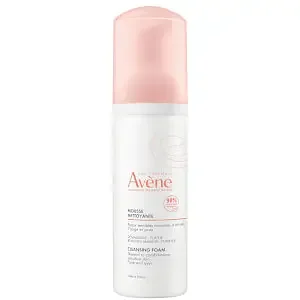
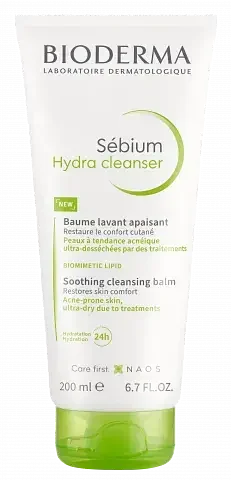
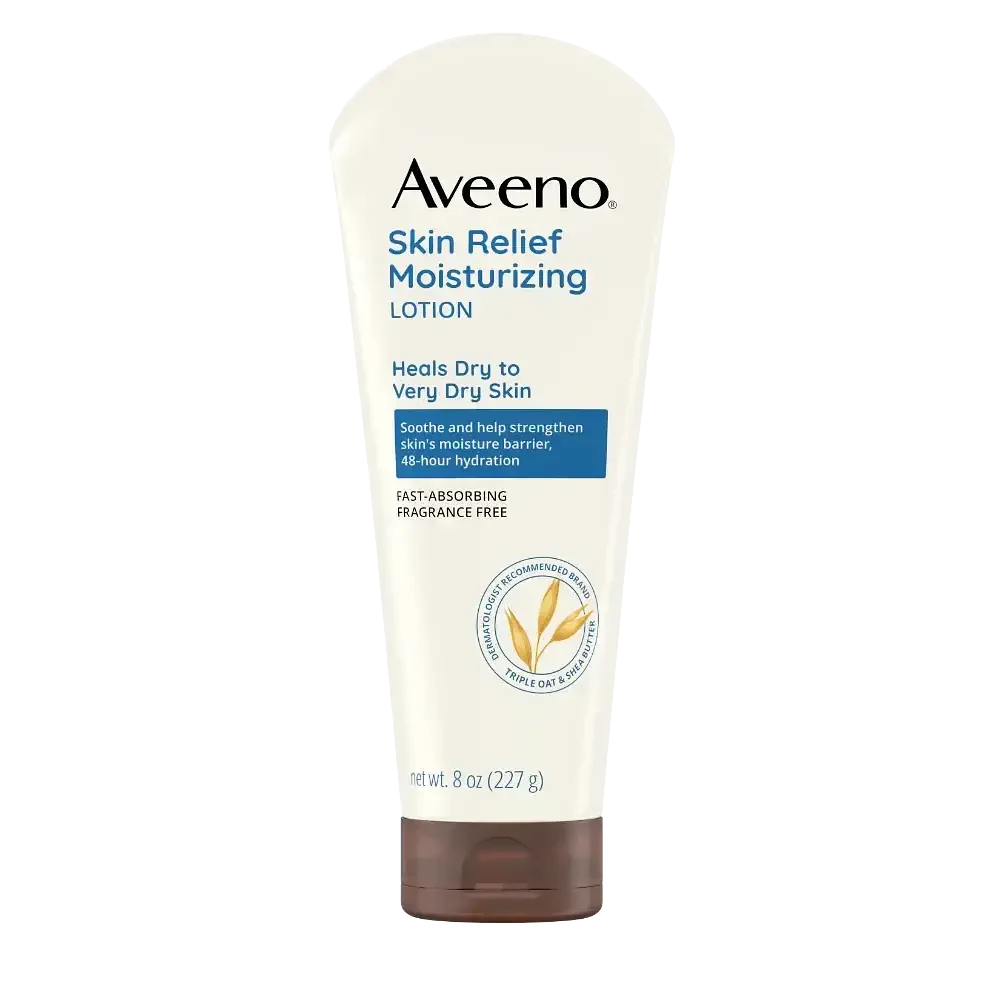
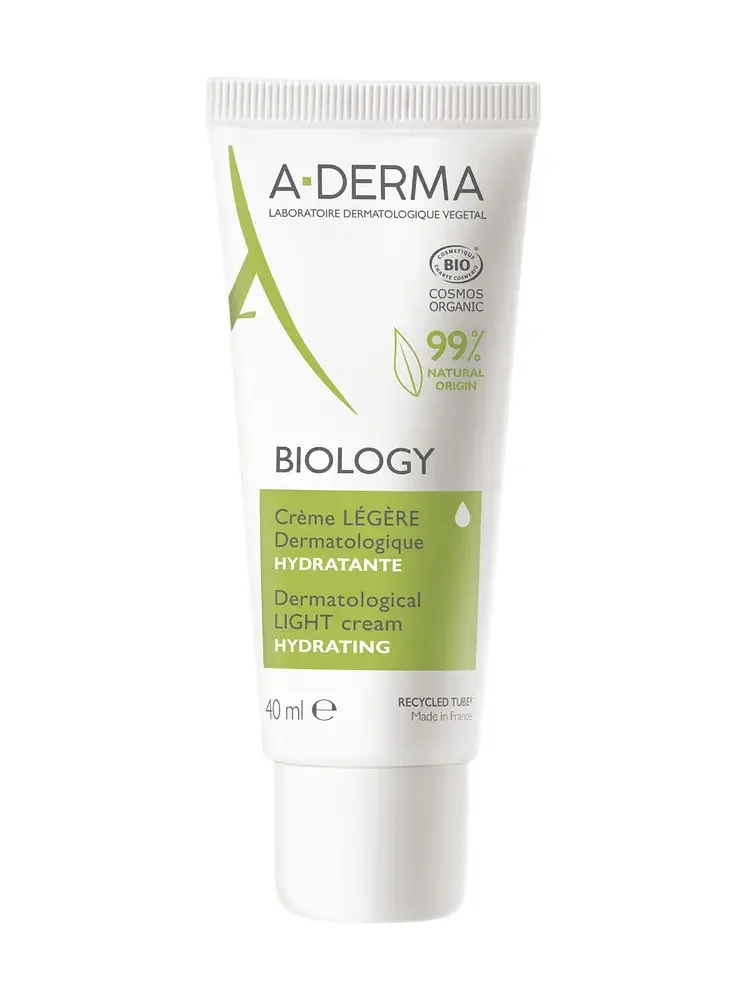
As an Amazon Associate, AllerNote earns from qualifying purchases.
Always scan the actual label before use — formulations change.
Scan a product for this concern
What is tea tree oil?
Tea tree oil is an essential oil distilled from the leaves of Melaleuca alternifolia, an Australian plant. It has a fresh, medicinal, slightly camphor-like smell and genuine antimicrobial and anti-inflammatory activity, which is why it appears in acne products, face washes, spot treatments, anti-dandruff shampoos, and "natural"/clean-beauty formulas. The oil is a mix of over 100 compounds, with terpinen-4-ol as the main active.
It's marketed as a gentle, plant-based alternative to conventional acne treatments — but its wide use has driven a real rise in reported allergic contact dermatitis. Plant-derived doesn't mean hypoallergenic.
Why it causes reactions — and why old oil is worse
Tea tree oil sensitises through two routes:
- Oxidation (the big one). When the oil is exposed to air, light, or warmth, it oxidises into more allergenic by-products — notably ascaridole and various peroxides. These oxidation products are considerably more sensitising than fresh oil, so an old, frequently-opened bottle is riskier than a fresh one.
- Direct sensitisation. Terpinen-4-ol and other components can act as haptens, binding skin proteins and triggering an immune response in susceptible people.
Risk rises with concentration (products at ≥5%, and especially undiluted oil) and with leave-on formats that keep the oil on skin longer. People with eczema or a known fragrance/essential-oil allergy are more vulnerable, and cross-reactions with other fragrant botanicals (e.g. balsam of Peru) have been reported.
A common DIY mistake is dabbing neat tea tree oil onto a spot. Undiluted essential oil maximises both irritation and the chance of developing a lifelong allergy. If you use it, use a low-concentration formulated product — and replace old, oxidised bottles.
How to spot and avoid it
- Read labels for Melaleuca Alternifolia Oil, Tea Tree Oil, or Ti Tree Oil.
- Be wary of "natural"/"herbal" acne products without a full ingredient list.
- If sensitised, avoid it in acne products, washes, shampoos, and spot treatments.
- If you still use it: choose <5%, keep it off broken skin, store cool and dark, and never apply neat.
Safer alternatives
- Acne: salicylic acid, benzoyl peroxide, azelaic acid, niacinamide, adapalene.
- Dandruff: zinc pyrithione, selenium sulfide, or ketoconazole shampoo.
- General sensitivity: fragrance-free and essential-oil-free formulations.
The bottom line
Tea tree oil genuinely works against acne-related microbes, but it's a real fragrance-family allergen whose risk climbs as the oil ages and oxidises. Treat it like any potent essential oil: low concentration, never neat, fresh stock — or skip it for better-evidenced, non-allergenic acne actives.
Was this article helpful?
One tap tells us what to write more of. No account needed.
Is this ingredient in your products?
Scan any cosmetic product to check for Tea Tree Oil and 30+ other allergens instantly.