
Copper Peptides (GHK-Cu)
A copper-bound tripeptide for healing, collagen and recovery — gentle, but fussy about what you layer it with
INCICopper Tripeptide-1
- Category
- Peptide
- Risk level
- low
- Wound-healing origin
- GHK-Cu was first identified as a factor in human plasma that helps wounds heal — and its levels fall with age
- Dual action
- Supports collagen and elastin synthesis while also acting as an antioxidant
- Layering matters
- Don't use in the same step as vitamin C or strong acids/retinoids — they can destabilise each other
- Common concentration
- 1–3% in anti-aging serums; higher in professional treatments
Look for these names on ingredient lists
This ingredient may appear under any of these names:
Commonly found in
Possible reactions
- Contact dermatitis is rare
- No sun sensitivity
- The turquoise colour can temporarily stain light fabrics
- Generally considered acceptable topically in pregnancy (limited evidence)
Top picks with Copper Peptides (GHK-Cu)
Highly rated products that feature Copper Peptides (GHK-Cu) in their ingredient list.
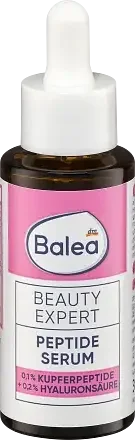
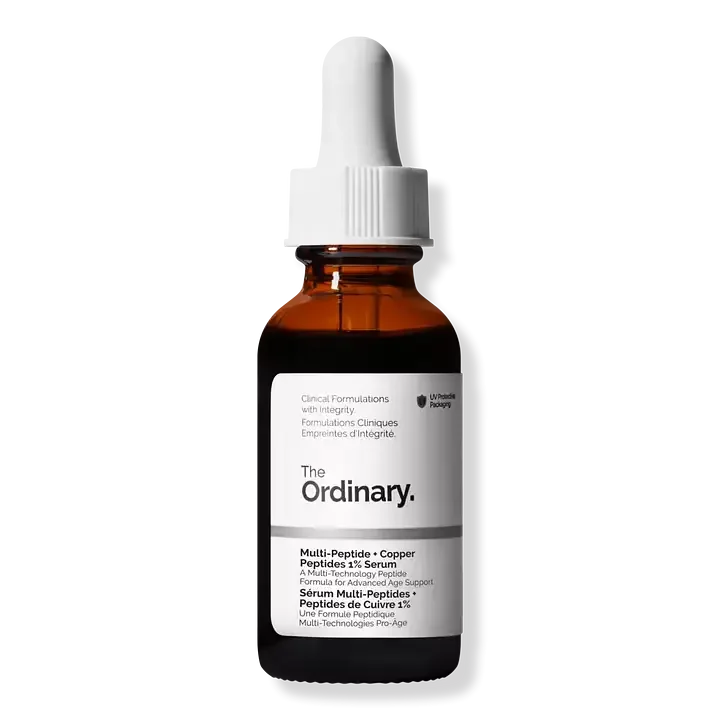
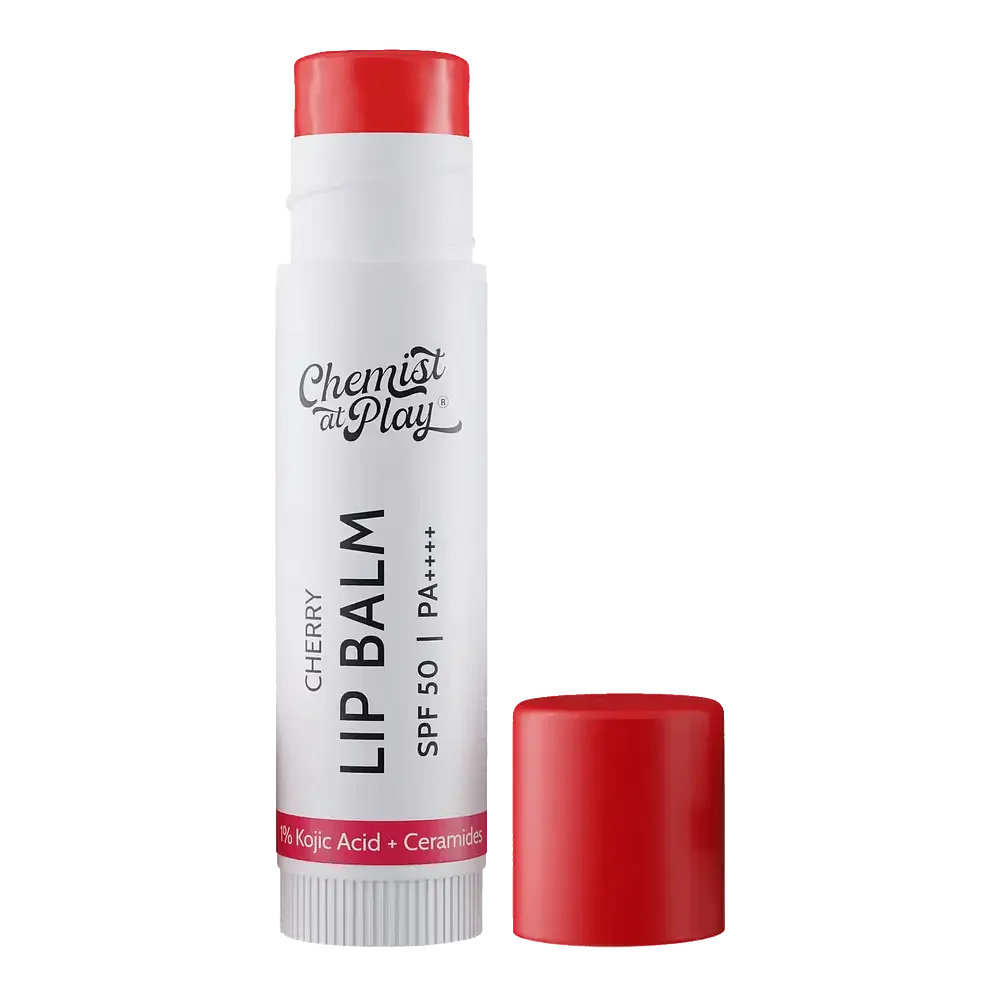
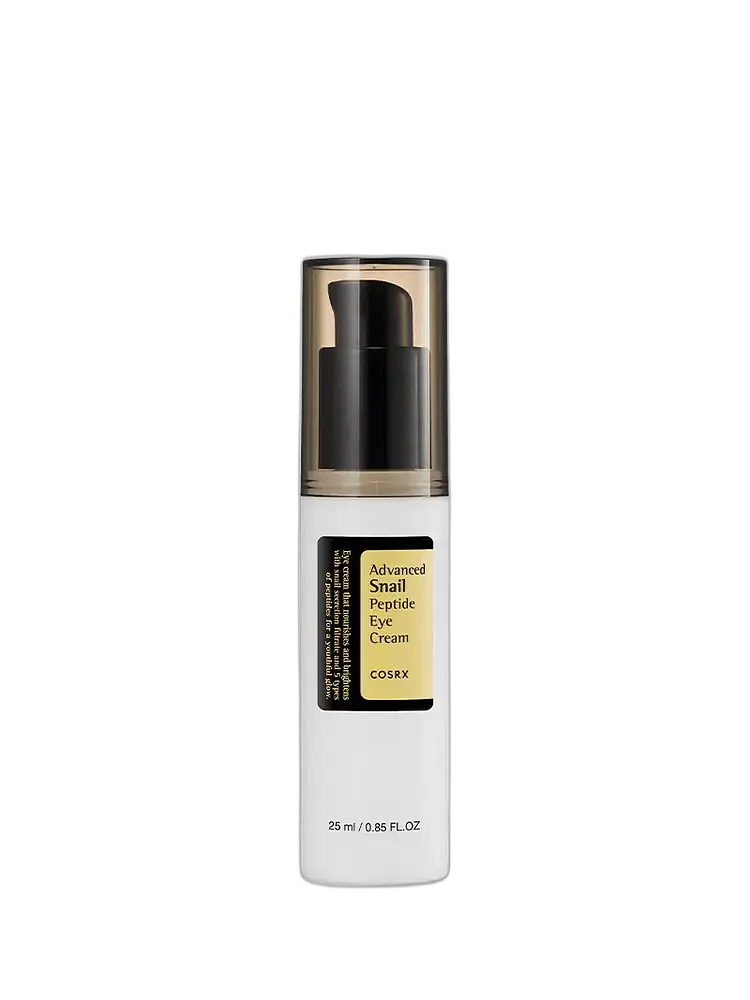
Always scan the actual label before use — formulations change.
What is GHK-Cu?
Copper peptides — specifically GHK-Cu (Glycyl-L-Histidyl-L-Lysine copper complex) — are a naturally occurring tripeptide bound to a copper ion. GHK was discovered in the 1970s in human plasma, where levels decline with age. It plays roles in wound healing, tissue repair and collagen synthesis, and topical GHK-Cu has been shown to support collagen production, skin elasticity and the healing of damaged skin.
The copper binding is the point: free copper is pro-oxidant and irritating, whereas GHK-Cu delivers copper in a controlled, bioavailable form that enables the peptide's regenerative signalling. It's also instantly recognisable by its striking turquoise-blue colour.
Why it's well tolerated — with layering caveats
Copper peptides have a strong safety profile at cosmetic concentrations; contact dermatitis is rare, and there's no exfoliation, peeling or sun sensitivity. The nuances are about compatibility, not safety:
- Not with vitamin C in the same step — vitamin C competes for the copper and can destabilise the peptide. Separate by time of day (vitamin C AM, copper peptides PM) or ~30 minutes.
- Not in the same layer as strong acids or retinoids — can reduce the effectiveness of both; alternate instead.
- Turquoise staining — can faintly tint a light pillowcase; harmless and washable.
- Pregnancy — topical use is generally considered acceptable, though evidence is limited.
Copper peptides are a good reminder that "is it safe?" and "does it play nicely?" are different questions. This one is very safe — its real-world failures are usually people layering it straight over vitamin C and quietly cancelling both out. If you remember one thing, make it separate it from your vitamin C. — Snehal
How to use them well
- Use at night, away from vitamin C.
- Apply to clean, dry skin for best absorption.
- Seal with hyaluronic acid and moisturiser.
- Give it 8–12 weeks — regenerative effects are gradual.
- Don't mix in the same step as acids/retinoids — alternate nights or times.
Safer / simpler alternatives
- For collagen support without layering rules: Matrixyl.
- For antioxidant action: vitamin C or vitamin E.
- For pregnancy: Matrixyl and Argireline are similarly gentle.
- For stronger wrinkle reduction: retinol or retinaldehyde.
The bottom line
Copper peptides (GHK-Cu) are a gentle, well-tolerated peptide best known for healing and recovery, with genuine collagen support. The catch isn't a reaction — it's compatibility: keep them away from vitamin C and strong acids in the same step, give them a couple of months, and they're a solid regenerative addition to a routine.
Was this article helpful?
One tap tells us what to write more of. No account needed.
Is this ingredient in your products?
Scan any cosmetic product to check for Copper Peptides (GHK-Cu) and 30+ other allergens instantly.