
DMDM Hydantoin
A formaldehyde-releasing preservative common in shampoo — famous from "hair loss" lawsuits, but the established problem is contact allergy, not proven hair loss
INCIDMDM Hydantoin
- Category
- Preservative
- Risk level
- medium
- Why it's flagged
- Formaldehyde-releasing preservative — a recognised contact allergen for formaldehyde-sensitive people
- What it is
- A formaldehyde-releasing preservative (trade name Glydant), used mostly in rinse-off hair products
- EU limit
- Permitted up to 0.6%; products releasing >10 ppm formaldehyde must be labelled "releases formaldehyde"
- The lawsuit question
- US class actions alleged hair loss; robust evidence that DMDM hydantoin causes hair loss is lacking — the confirmed risk is contact allergy
- If you react
- Avoid all formaldehyde releasers, not just this one
Look for these names on ingredient lists
This ingredient may appear under any of these names:
Commonly found in
Possible reactions
- Scalp redness, itching, or flaking
- Allergic contact dermatitis on the scalp, hairline, neck, or hands
- Eyelid or facial dermatitis from product run-off
- Burning or stinging during or after washing
Top picks without DMDM Hydantoin
Highly rated products whose ingredient lists don't include DMDM Hydantoin.
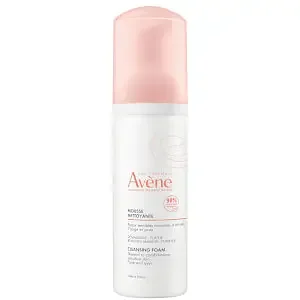
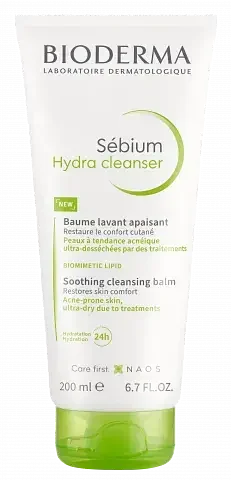
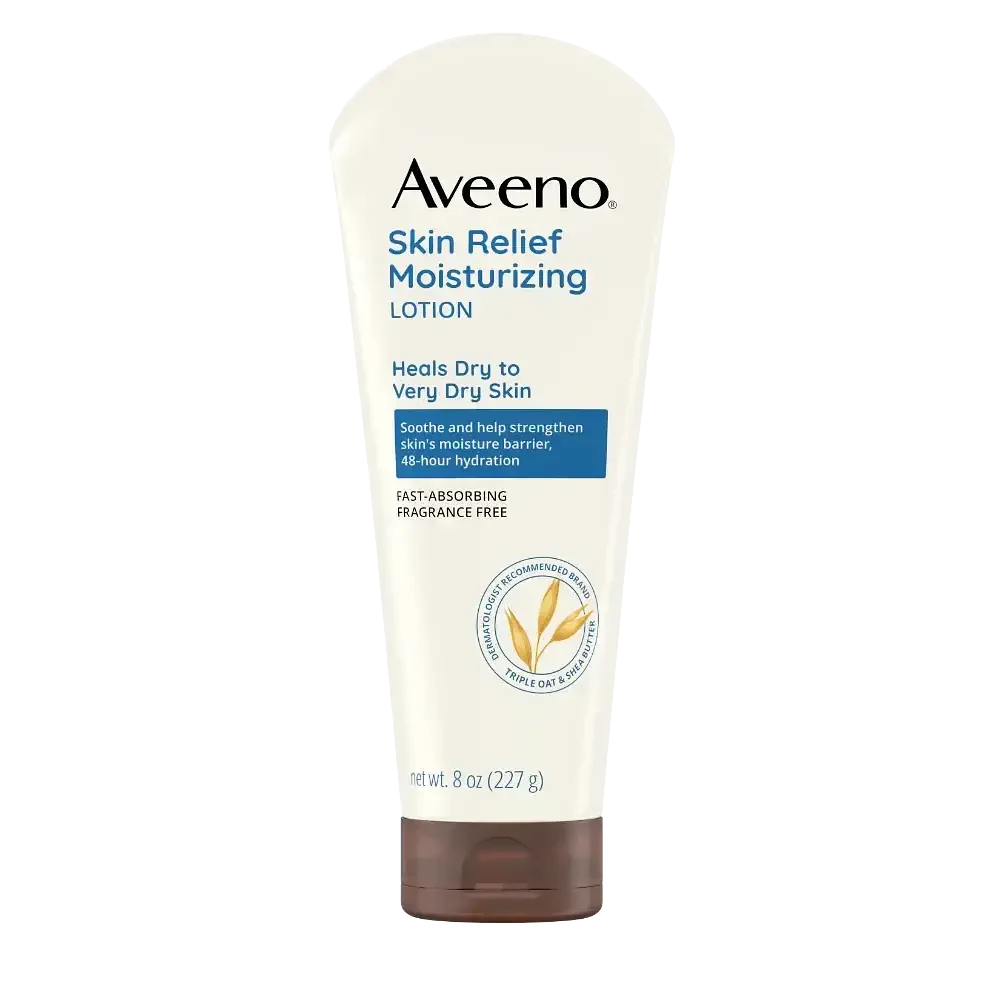
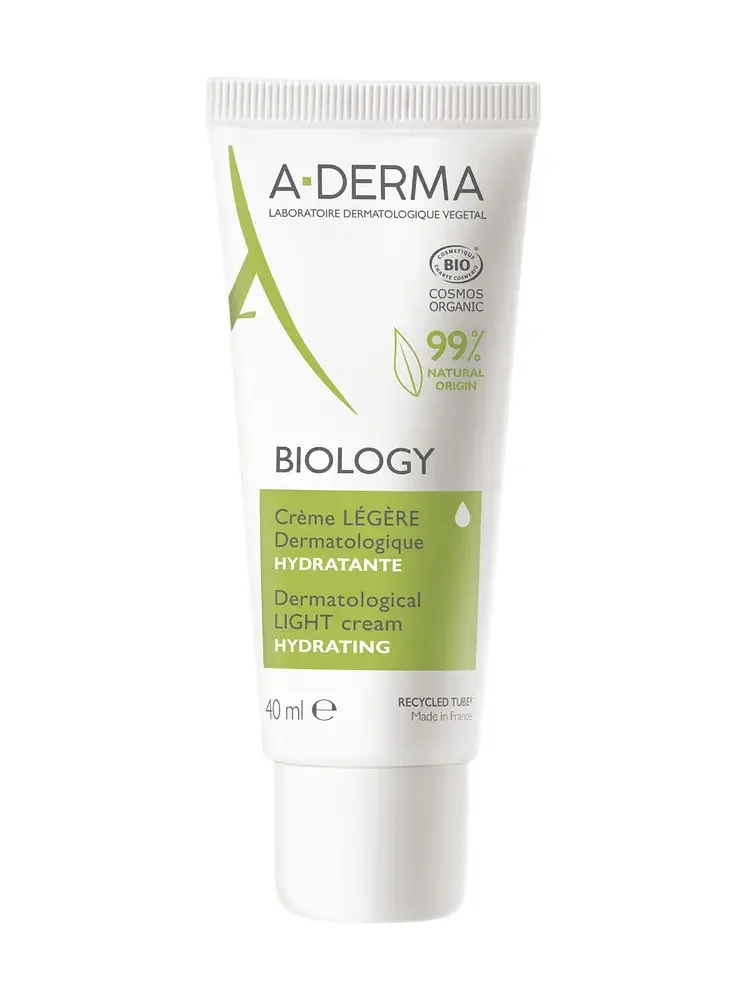
As an Amazon Associate, AllerNote earns from qualifying purchases.
Always scan the actual label before use — formulations change.
Scan a product for this concern
What is DMDM hydantoin?
DMDM hydantoin (trade name Glydant) is a preservative used to stop bacteria and fungi growing in water-based products — most often shampoos, conditioners, body washes, and liquid soaps. It belongs to the group called formaldehyde releasers: it doesn't contain free formaldehyde as such, but slowly breaks down in the bottle to release small amounts, and that released formaldehyde does the antimicrobial work.
It has been in common use since the 1980s and is permitted in the EU up to 0.6%. Under the EU's 2024 rules, any product releasing more than 10 ppm total formaldehyde must carry the warning "releases formaldehyde" — a useful flag if you're sensitised.
The hair-loss lawsuits: what's actually known
DMDM hydantoin is unusually famous for a preservative, because it became the subject of US class-action lawsuits alleging that shampoos containing it caused hair loss and scalp injury. It's worth being precise here, because the internet has turned the lawsuits into settled fact:
- The lawsuits are real; the causation is not established. A legal claim is an allegation, not scientific proof. There is no robust body of evidence showing that DMDM hydantoin directly causes hair loss.
- What is well documented is that, as a formaldehyde releaser, it can cause allergic contact dermatitis of the scalp in people sensitised to formaldehyde. A scalp that is inflamed, itchy, and irritated can shed more hair temporarily (telogen effluvium) — which is a real but reversible phenomenon, and quite different from an ingredient killing follicles.
So the honest summary: if your scalp is reacting, the mechanism that's actually supported is contact allergy, and the practical response is the same either way — if it bothers your scalp, stop using it.
If you noticed shedding and an itchy, flaky, or red scalp after a particular shampoo, that points toward irritation/allergy rather than a toxic effect on follicles. The shedding from an inflamed scalp usually recovers once the irritation settles. Persistent loss without scalp symptoms is more likely something else — worth a dermatologist's view.
Why it causes reactions
The reactive ingredient is the formaldehyde it releases. Formaldehyde binds to skin proteins to form structures the immune system can learn to attack, producing a delayed (24–72 hour) Type IV hypersensitivity reaction. Because DMDM hydantoin appears in products you use repeatedly — shampoo, conditioner, body wash — exposure is frequent, and sensitisation can build over months or years before the first obvious reaction.
How to spot and avoid it
- Read hair-product labels for DMDM Hydantoin, Glydant, or DMDMH.
- If you react, avoid the whole class — quaternium-15, imidazolidinyl urea, diazolidinyl urea, sodium hydroxymethylglycinate, and bronopol are all formaldehyde releasers and frequently cross-react.
- Don't rely on "paraben-free" — that label often means a releaser was used instead.
- Choose alternatively-preserved products — phenoxyethanol, sodium benzoate/potassium sorbate, or shampoo bars with different preservation.
When to see a dermatologist
If you have a persistent itchy, flaky, or red scalp — or shedding alongside those symptoms — see a dermatologist. Patch testing can confirm formaldehyde/releaser allergy (these are on standard series), which both explains the scalp reaction and tells you which products to clear out. If hair shedding is happening without any scalp symptoms, that's worth investigating as a separate issue rather than blaming the shampoo.
The bottom line
DMDM hydantoin is an ordinary, mostly well-tolerated shampoo preservative that picked up an outsized reputation from litigation. The evidence-based concern isn't dramatic follicle damage — it's straightforward contact allergy in formaldehyde-sensitive people. If that's you, treat it like any other formaldehyde releaser and switch.
Was this article helpful?
One tap tells us what to write more of. No account needed.
Is this ingredient in your products?
Scan any cosmetic product to check for DMDM Hydantoin and 30+ other allergens instantly.