
Quaternium-15
The most potent formaldehyde-releasing preservative — small amounts release a lot of formaldehyde, making it a frequent patch-test culprit
INCIQuaternium-15
- Category
- Preservative
- Risk level
- high
- Why it's flagged
- The strongest formaldehyde releaser in common use — high sensitisation potential
- Why it stands out
- Releases more free formaldehyde than other common donors — gram for gram, the most potent releaser
- EU limit
- Permitted up to 0.2%; "releases formaldehyde" warning applies above 10 ppm released
- Patch testing
- Included on standard baseline patch-test series worldwide
- Most likely culprit
- Of the releasers, the one most often responsible when formaldehyde allergy is confirmed
Look for these names on ingredient lists
This ingredient may appear under any of these names:
Commonly found in
Possible reactions
- Allergic contact dermatitis at the application site
- Eyelid dermatitis (classically from mascara and eye makeup)
- Scalp and hairline irritation from shampoo
- Facial rash from foundation or self-tanner
- Delayed itchy rash appearing 1–3 days after use
Top picks without Quaternium-15
Highly rated products whose ingredient lists don't include Quaternium-15.
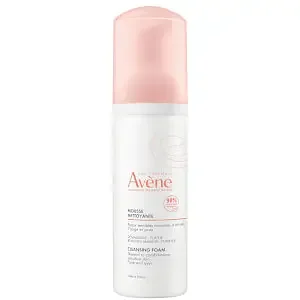
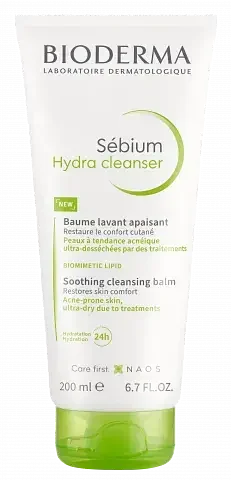
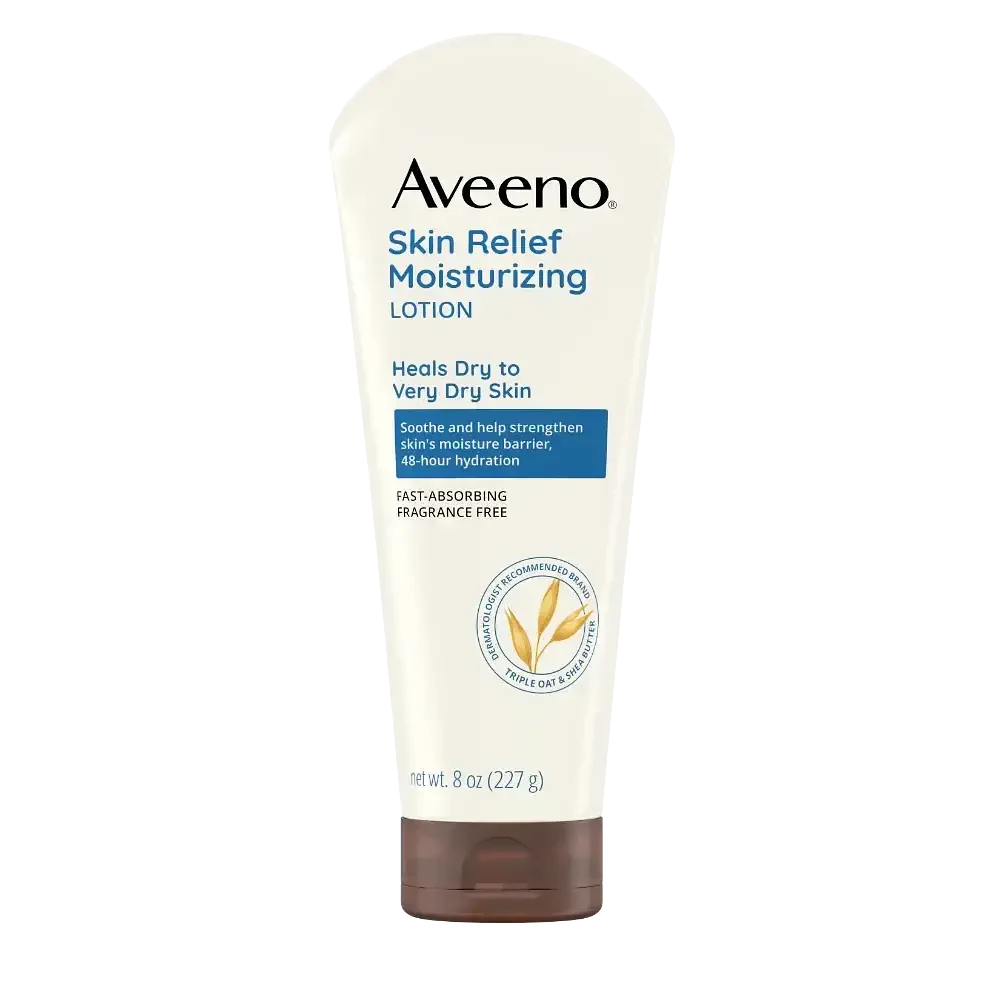
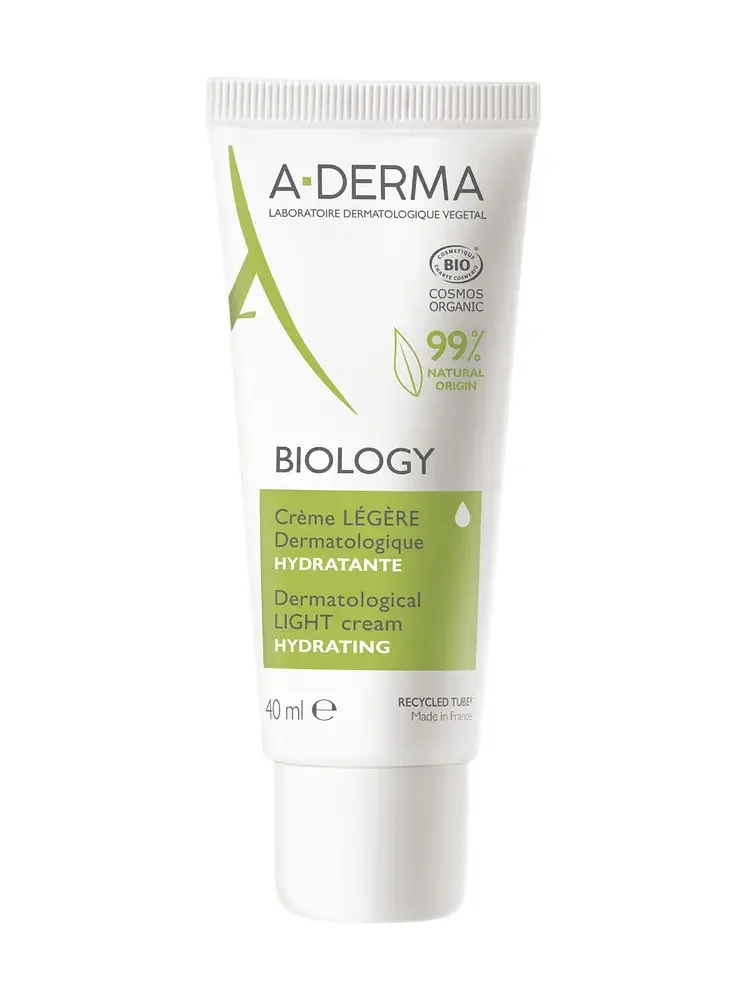
As an Amazon Associate, AllerNote earns from qualifying purchases.
Always scan the actual label before use — formulations change.
Scan a product for this concern
What is quaternium-15?
Quaternium-15 is a quaternary-ammonium compound used as a preservative in cosmetics, sold under trade names like Dowicil 200. It belongs to the formaldehyde releaser family, and among that family it has a particular distinction: it releases more free formaldehyde than any other donor in common use. That potency lets it work at very low concentrations — and it's also exactly why dermatologists treat it as one of the most important releaser allergens.
In the EU it is permitted up to 0.2%, and products releasing more than 10 ppm formaldehyde must carry the "releases formaldehyde" warning.
Why quaternium-15 matters more than the other releasers
All formaldehyde releasers share a mechanism, but they aren't equal. The key variable is how much free formaldehyde each one actually releases, and quaternium-15 sits at the top of that scale. The practical consequences:
- Higher sensitising potential. More released formaldehyde means a greater chance of teaching the immune system to react in the first place.
- More likely to trigger existing allergy. For someone already formaldehyde-allergic, quaternium-15 is the releaser most likely to set off a reaction at the low levels found in products.
- Frequently the actual culprit. When formaldehyde allergy is confirmed by patch testing, quaternium-15 is often the specific releaser doing the damage in a person's routine.
The eye-makeup connection
One pattern worth knowing: quaternium-15 has been used in mascara and other eye makeup, and the eyelids are the thinnest, most permeable skin on the body. That combination makes eyelid dermatitis a classic presentation — itchy, scaly, swollen lids that are easy to misread as "sensitive eyes," tiredness, or seasonal allergy.
Eyelid dermatitis is one of the most under-diagnosed contact allergies, partly because the trigger is often transferred there — from nail products, hair products, or an eye cream — rather than applied directly. If your eyelids flare and you can't explain it, a preservative like quaternium-15 is worth putting on the suspect list. AllerNote flags it (and its Dowicil trade names) on any product you scan.
Why reactions are easy to miss
Quaternium-15 causes a delayed (Type IV) hypersensitivity reaction, typically appearing 24–72 hours after contact. That lag breaks the obvious cause-and-effect link: the rash that shows up on Wednesday may be from Monday's product. Combine that with its presence across shampoo, makeup, and lotion, and the source can be genuinely hard to pin down without patch testing.
How to spot and avoid it
- Read labels for Quaternium-15, Dowicil 200, or Dowicil 75.
- Check eye makeup specifically if you have eyelid symptoms — choose mascaras with non-formaldehyde preservation.
- Avoid the whole releaser class if formaldehyde-allergic — DMDM hydantoin, imidazolidinyl urea, diazolidinyl urea, sodium hydroxymethylglycinate, bronopol.
- Prefer alternatives — phenoxyethanol, caprylyl glycol, sodium benzoate/potassium sorbate.
When to see a dermatologist
Persistent eyelid, facial, or scalp dermatitis — especially the delayed, recurring kind — is worth patch testing. Quaternium-15 and formaldehyde are on standard baseline series, so a dermatologist can confirm it directly and help you identify which everyday products are responsible.
The bottom line
Quaternium-15 is the heavyweight of the formaldehyde releasers: a little releases a lot of formaldehyde, which makes it both effective and the releaser most worth avoiding if you're sensitised. Watch for it especially in eye makeup, and if you react to it, treat every formaldehyde releaser as off-limits.
Was this article helpful?
One tap tells us what to write more of. No account needed.
Is this ingredient in your products?
Scan any cosmetic product to check for Quaternium-15 and 30+ other allergens instantly.