Breakfast, Bottled
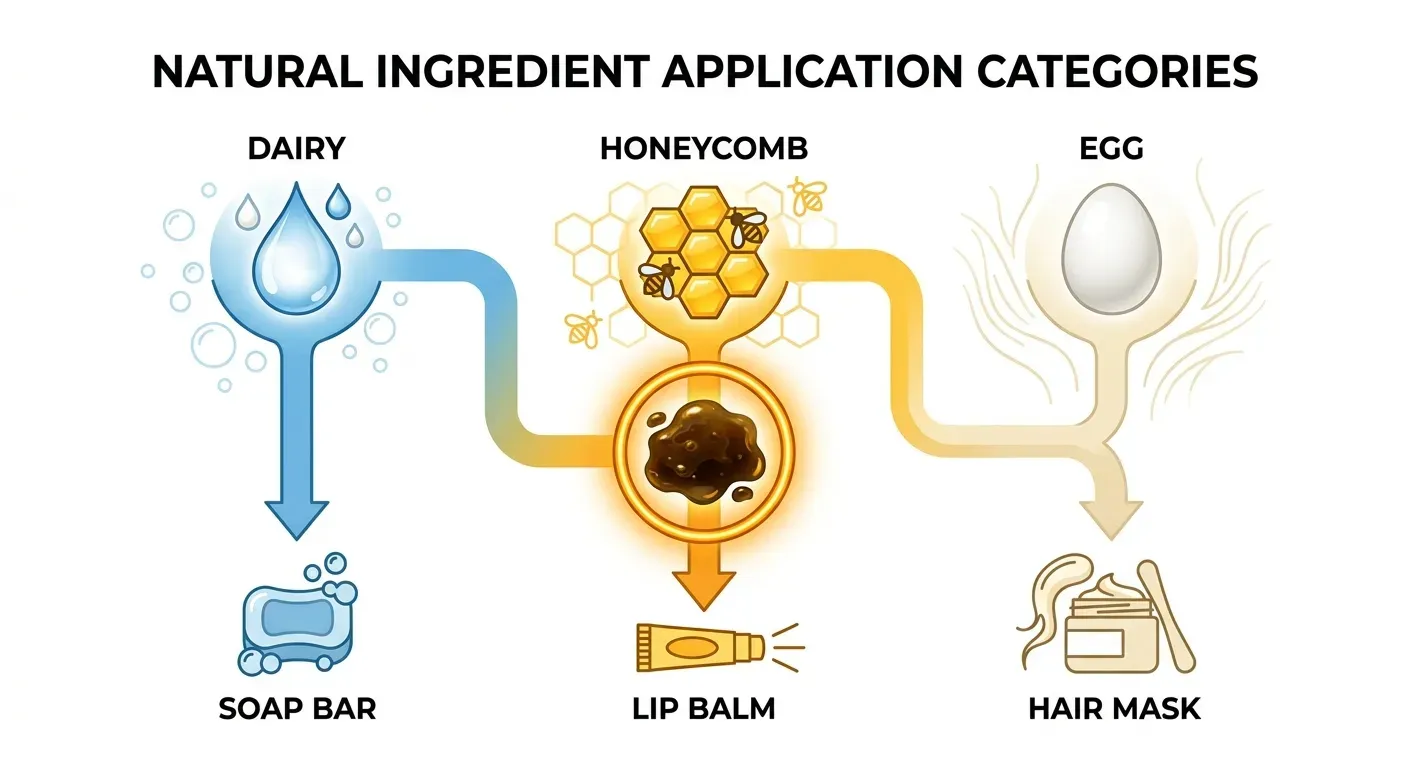
Cleopatra's milk baths never really left — they just rebranded. Goat-milk soap at the farmers market, "rice milk" toners from Seoul, honey-propolis ampoules, egg-white pore masks. The kitchen-beauty aesthetic sells comfort and tradition.
If you're allergic to milk, eggs, or bee products, it also sells exposure. And as with every food-derived ingredient family, the INCI names on the back of the jar don't look like the food on the front.
The Decoder
Dairy
| On the label (INCI) | What it is | Found in |
|---|---|---|
| Lac | Cow's milk | Milk baths, cleansers, lotions |
| Caprae Lac | Goat milk | Artisanal soaps — the #1 dairy cosmetic |
| Sodium Caseinate / Casein | Milk protein | Hair treatments, some masks |
| Lactis Proteinum | Whey protein | "Firming" and premium creams |
| Lactose | Milk sugar | Filler/texturizer — protein traces possible |
| Colostrum | Early milk | Niche "regenerative" skincare |
The protein is the allergen, so the protein-bearing names (casein, whey, whole milk) are the priority. Lactic acid is the famous false positive — fermentation-made, protein-free, and fine for nearly all dairy-allergic users.
Bee products
| On the label (INCI) | What it is | Found in |
|---|---|---|
| Mel / Honey Extract | Honey | Masks, lip balms, cleansers |
| Propolis Cera / Extract | Bee resin ("bee glue") | Ampoules, balms, "healing" salves |
| Cera Alba | Beeswax | Lipsticks, balms, mascaras — ubiquitous |
| Royal Jelly | Larval bee food | Premium creams, K-beauty |
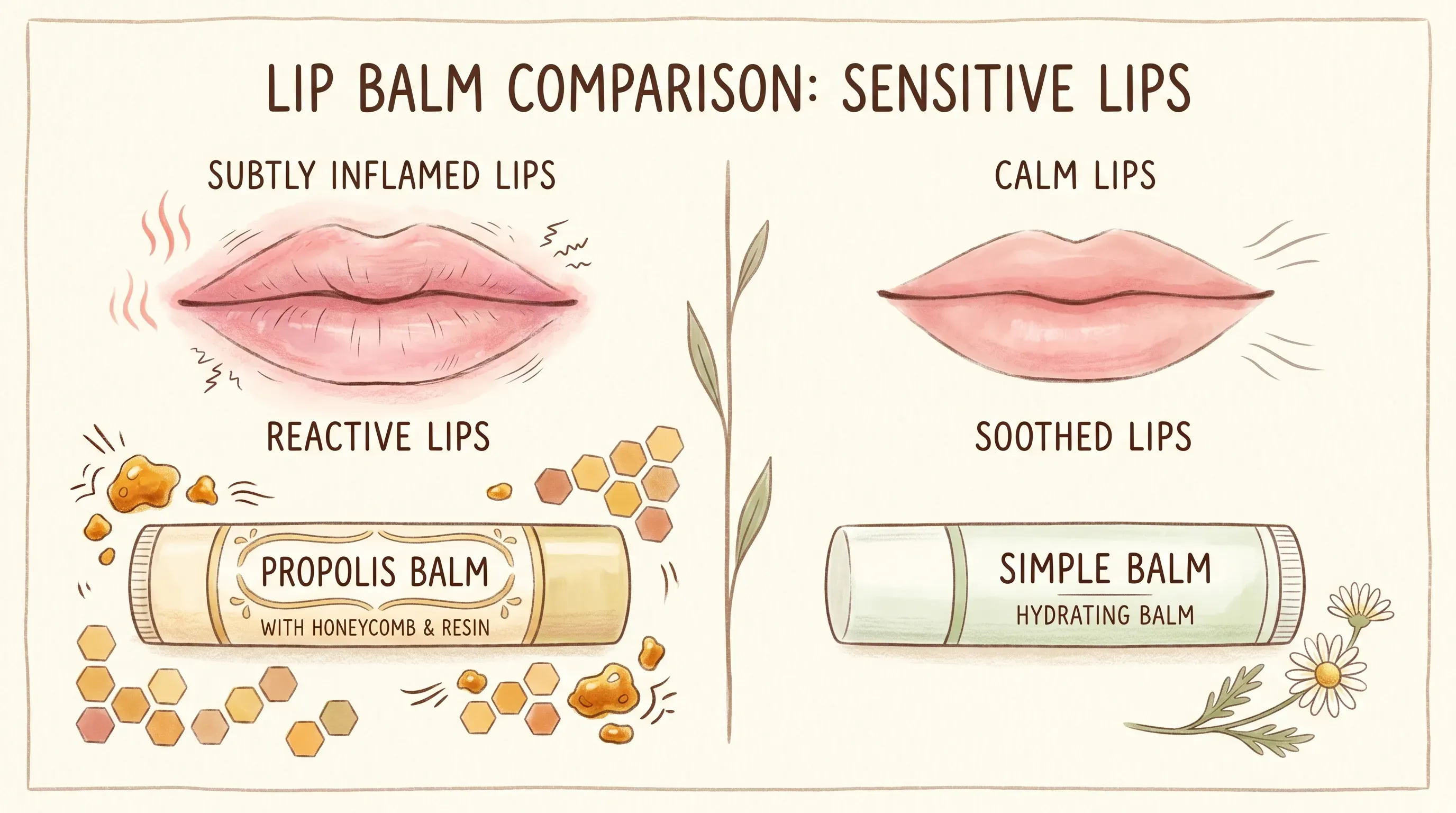
Among bee products, propolis drives the most cosmetic reactions — patch-test clinics report sensitization rates of several percent and climbing, fed by its "natural healing" reputation. It cross-reacts with balsam of Peru, so if you've ever patch-tested positive to that, treat propolis as guilty until proven innocent. Classic tell: persistently chapped, inflamed lips from a "soothing" honey balm.
Beeswax (Cera Alba), by contrast, is highly purified and reactions are rare — most propolis-allergic people tolerate it, though heavily contaminated artisanal wax can blur the line.
Egg
| On the label (INCI) | What it is | Found in |
|---|---|---|
| Ovum | Whole egg | Pore-tightening masks |
| Egg Oil / Egg Yolk Extract | Yolk derivatives | Hair masks, traditional preparations |
| Lysozyme | Egg-white enzyme | Preservative in some cosmetics — the stealth one |
| Albumen | Egg white | DIY-style "lift" masks |
Where Reactions Actually Happen
- Lips first. Honey/propolis balms and milk-protein lip masks combine the most reactive ingredient family with an ingestion route. Most case reports in this category involve lips.
- Artisanal products second. Farmers-market goat-milk soap is made because milk is the selling point — concentrations are high and formulation oversight is low.
- Children with dairy-allergic eczema. Milk proteins on broken skin are both a reaction trigger and a sensitization route — skip the milk-bath products for dairy-allergic kids.
How to Protect Yourself
- Add milk, egg, or bee products to your scanning profile — Lac, Ovum, Mel and friends get flagged automatically.
- Treat "honey," "milk," and "egg" on the FRONT of a label as ingredient claims, not just vibes — unlike most marketing words, these usually mean the ingredient is genuinely inside.
- Cheilitis with a "natural" balm? Suspect propolis and bring it up when patch testing — it's in the standard extended series.
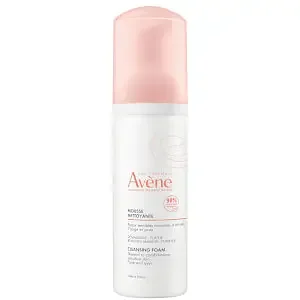
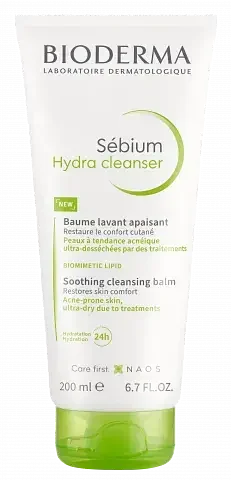
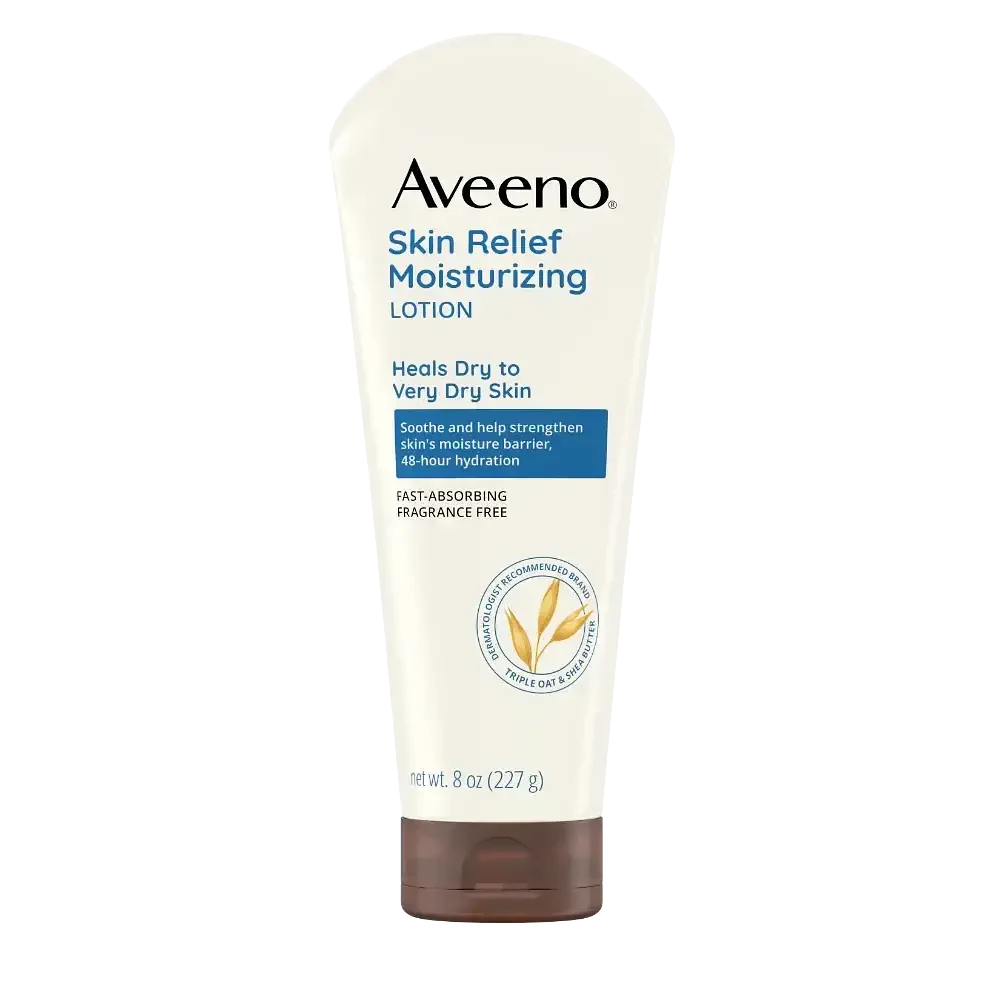
- The picks below are screened free of dairy and bee-derived names for when you want the soothing without the breakfast.
FAQ
Is "vegan" a reliable shortcut?
For this ingredient family, surprisingly useful — certified vegan products exclude milk, egg, honey, propolis, and beeswax by definition. It's one of the few cases where a marketing label maps cleanly onto an allergen family. (It does nothing for nut, oat, or coconut exposure, where vegan products are often richer sources.)
Do milk-derived ceramides exist?
The ceramides in mainstream barrier creams are synthetic or fermentation-derived, not dairy-extracted — no milk protein involved. Dairy-allergic users don't need to avoid ceramide products.
What about snail mucin, lanolin, and other animal ingredients?
Different category — they're animal-derived but not food allergens. Lanolin (wool grease) is its own well-known contact allergen with a dedicated ingredient page; snail mucin allergy is rare but documented, with possible dust-mite cross-reactivity.
Related Reading
- Food Allergens in Skincare: The Cross-Reactivity Guide — the parent guide
- Balsam of Peru — propolis's patch-test partner
- Nut & Seed Oils in Skincare
- Baby Skincare: The Allergen Field Guide