The Latin Wall
Food labels are required to shout "CONTAINS: TREE NUTS" in plain language. Cosmetic labels are not. They list Prunus Amygdalus Dulcis Oil and let you figure out it's almond.
For the nut-allergic, that single regulatory difference turns the beauty aisle into a translation exercise. This guide is the translation — every major nut and seed oil, its label name, where it shows up, and how much it actually matters.
The Decoder Table
| Food allergen | On the label (INCI) | Typical products | Allergy priority |
|---|---|---|---|
| Peanut | Arachis Hypogaea Oil | Baby oils, traditional massage oils | High — avoid with peanut allergy |
| Sweet almond | Prunus Amygdalus Dulcis Oil | Face/body oils, lip balms | High — common and protein-bearing when cold-pressed |
| Sesame | Sesamum Indicum Seed Oil | Facial oils, soaps, "ayurvedic" lines | High — sesame is a top-9 food allergen |
| Hazelnut | Corylus Avellana Seed Oil | Serums, cuticle oils | Medium |
| Walnut | Juglans Regia (shell powder/oil) | Scrubs, masks | Medium — shell powder also scratches skin |
| Macadamia | Macadamia Integrifolia/Ternifolia Seed Oil | Hair products, rich creams | Medium |
| Cashew | Anacardium Occidentale Seed Oil | Rare; some natural lines | Medium |
| Shea | Butyrospermum Parkii (Shea) Butter | Body butters, lip balms — everywhere | Low-medium — see below |
| Argan | Argania Spinosa Kernel Oil | Hair oils, face oils | Low |
| Pistachio | Pistacia Vera Seed Oil | Niche luxury oils | Medium |
Shea is botanically a tree nut, yet documented shea reactions are rare and allergists broadly consider refined shea butter safe even for tree-nut-allergic users — refining removes nearly all protein. The caveat is unrefined/raw shea (common in artisanal and "raw" products), which retains protein and deserves caution. Refinement level is the variable that matters, and "raw" is usually advertised proudly, which helps you spot it.
Why "Clean Beauty" Makes This Harder
The clean-beauty movement replaced synthetic emollients with food-derived ones — that's the entire aesthetic. The result is statistical: the more "natural," "vegan," "food-grade," or "farm-to-face" the branding, the more likely the formula leans on nut and seed oils.
This isn't a knock on those products. It's a warning about defaults: for a nut-allergic shopper, the synthetic-leaning pharmacy brand is often the safer bet than the artisanal oil blend, and the marketing pushes you in exactly the wrong direction.
Product Categories, Ranked by Stakes
- Lip products — oils get ingested. With an IgE food allergy to nuts or sesame, treat lip balm ingredient lists exactly like food labels.
- Anything on broken or eczematous skin — damaged barriers absorb proteins and can drive new sensitization, which is why nut oils on infant eczema are specifically discouraged.
- Leave-on face and body products — long contact time, large area.
- Rinse-off products — lowest stakes, but scrubs with walnut shell add mechanical damage that opens the barrier.
How to Protect Yourself
- Add your specific nuts to your AllerNote profile — the scanner flags the Latin names so you don't have to memorize them.
- Treat "raw," "cold-pressed," and "virgin" as protein warnings, not quality seals, when an allergy is in play.
- Patch test new products on intact forearm skin for 48 hours before face or lip use.
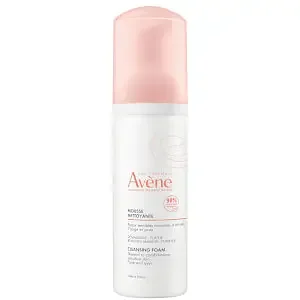
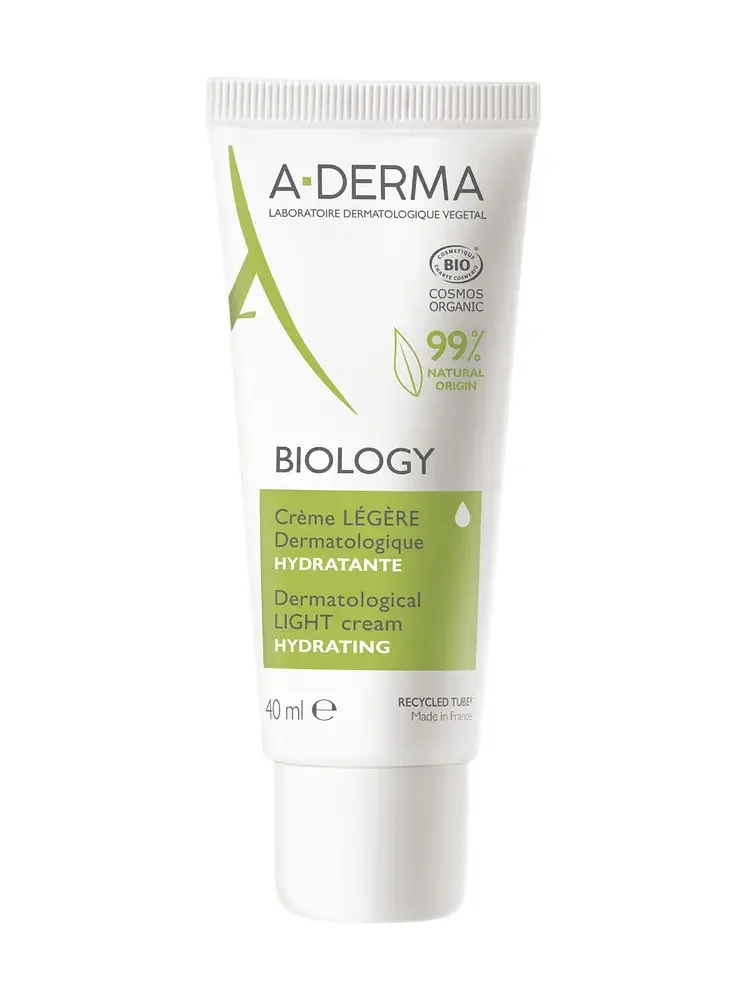
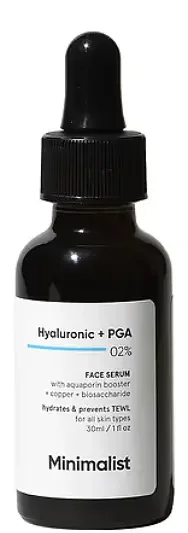
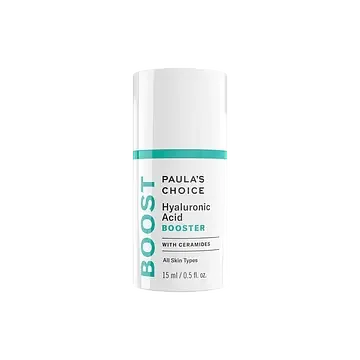
- For kids with eczema + food allergies, keep nut-derived ingredients out of the emollient routine entirely — the picks below are screened free of all major nut and seed oils.
FAQ
Is cocoa butter a nut problem?
No — cocoa (Theobroma Cacao) is a bean, with no meaningful cross-reactivity to tree nuts or peanut. It's one of the safer rich butters for nut-allergic users, though it is comedogenic for some.
What about "fragrance" smelling like almond?
Almond scent is usually benzaldehyde — synthetic, protein-free, and not an allergy concern for nut-allergic users (it can be a contact allergen in its own right, separately). Scent tells you nothing reliable about content in either direction; only the INCI list does.
Are seed oils like jojoba, sunflower, and grapeseed risky too?
Generally no for nut-allergic users — jojoba is technically a liquid wax and notably well tolerated (see its ingredient page), and sunflower/grapeseed allergies are rare. Sesame is the big exception among seeds: it's a major food allergen with real topical case reports.