
Allergen & irritant analysis
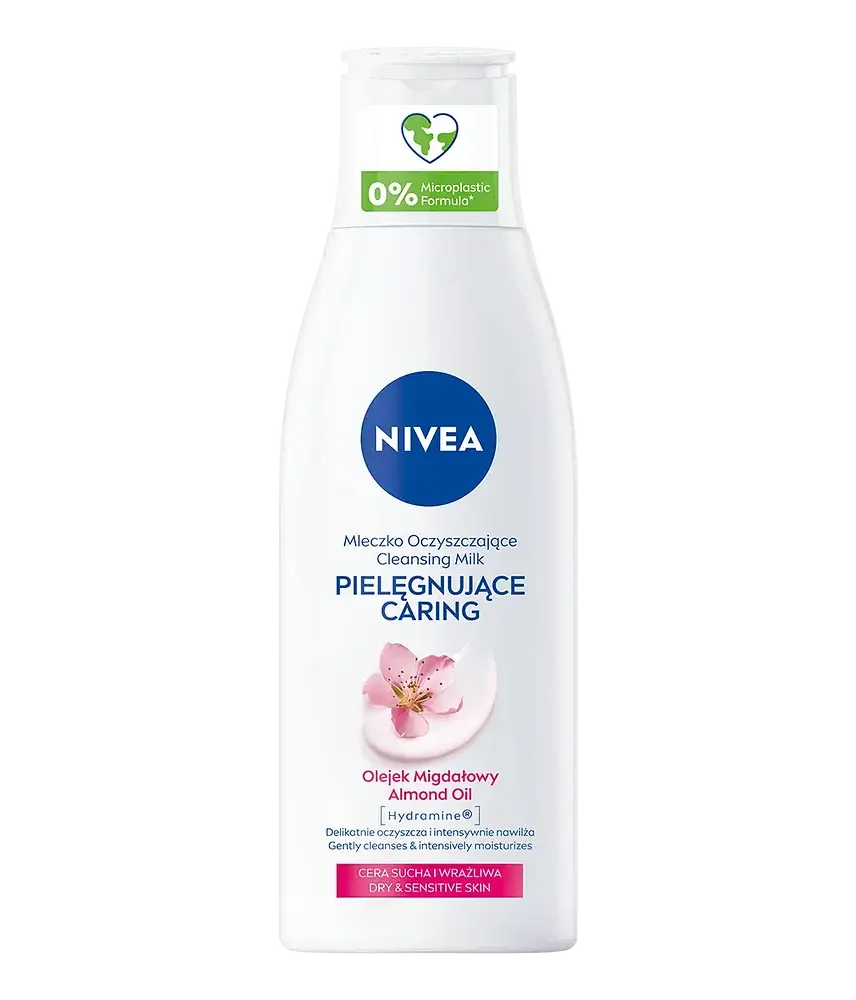
10 flaggedThis makeup remover from Nivea lists 23 ingredients. AllerNote's analysis flags 9 known contact allergens and 1 common irritant in the INCI list. That includes 5 EU-labelled fragrance allergens (linalool, alpha-isomethyl ionone, geraniol, limonene, citronellol). No MI / MCI (isothiazolinones), formaldehyde-releasing preservatives, SLS / SLES sulfates were detected in the listed ingredients.
- PhenoxyethanolKnown allergen (irritant): Phenoxyethanol
- MethylparabenKnown allergen (preservative): Methylparaben
- Benzyl alcoholKnown allergen (preservative): Benzyl Alcohol
- LinaloolKnown allergen (fragrance): Fragrance Mix
- Alpha-isomethyl iononeKnown allergen (fragrance): Alpha-Isomethyl Ionone
- Cetyl alcoholKnown allergen (emollient): Cetyl Alcohol
- GeraniolKnown allergen (fragrance): Geraniol
- LimoneneKnown allergen (fragrance): Limonene
- CitronellolKnown allergen (fragrance): Citronellol
- Sodium hydroxideStrong alkaline substance that can be highly corrosive and irritating in high concentrations; used safely in cosmetics only in neutralized, low concentrations for pH adjustment.
Not detected: MI / MCI (isothiazolinones), formaldehyde-releasing preservatives, SLS / SLES sulfates. Contains: added fragrance, parabens.
Based on what's flagged, take extra care if you're among:
- People with fragrance allergy or fragrance-sensitive skin
- People sensitised to preservatives (e.g. MI/MCI or formaldehyde releasers)
How common are allergens in makeup removers? See our data on the whole category →
Generated from this product's ingredient list and AllerNote's allergen database — educational, not medical advice or a substitute for patch testing.
Benefits
Full Ingredient List
23INCI (full list, INCI order): water, isopropyl palmitate, paraffinum liquidum, glycerin, butyrospermum parkii butter, cetyl alcohol, prunus amygdalus dulcis oil, oleic acid, glyceryl stearate, palmitic acid, stearic acid, arachidic acid, myristic acid, carbomer, sodium hydroxide, phenoxyethanol, methylparaben, geraniol, benzyl alcohol, linalool, alpha-isomethyl ionone, limonene, citronellol
Tap any ingredient to see details
Potential Concerns
- May Worsen Oily SkinMay increase shine or excess oil.
- May Worsen IrritationMay cause stinging, redness, or sensitivity.
- May Trigger AcneCan clog pores or trigger breakouts.
- May Worsen EczemaMay worsen itching or irritation for eczema.
- May Worsen RosaceaCan trigger flare-ups in rosacea-prone skin.
- May Worsen DrynessCan strip moisture and worsen dryness.
Frequently asked questions
Does Cleansing Milk Almond Oil contain fragrance allergens?
Yes — analysing the INCI list, AllerNote found 5 of the EU-labelled fragrance allergens: linalool, alpha-isomethyl ionone, geraniol, limonene, citronellol. If you're fragrance-sensitive or patch-test positive to a fragrance mix, treat Cleansing Milk Almond Oil with caution and patch test before full use.
Does Cleansing Milk Almond Oil contain parabens?
Yes, Cleansing Milk Almond Oil's INCI list includes one or more parabens. For most people that's low-risk — parabens have a notably low contact-allergy rate — but if you've patch-tested positive to parabens specifically, choose a paraben-free alternative.
Is Cleansing Milk Almond Oil suitable for sensitive or allergy-prone skin?
It depends on your specific triggers. Cleansing Milk Almond Oil contains 9 flagged allergens and 1 irritant (listed in the analysis above). If none are on your personal allergen list it may suit you, but patch test first — add your allergens to AllerNote to check Cleansing Milk Almond Oil against your own profile.