
Glycerin
The most-used, best-studied humectant in skincare — cheap, effective, and essentially allergy-free
INCIGlycerin
- Category
- Humectant
- Risk level
- low
- Ubiquity
- The single most common moisturising ingredient in the world — in most creams
- Sweet spot
- ~3–10% feels light; above ~20% it turns sticky and counterproductive
- Tolerability
- GRAS (FDA); your body makes and uses it — true allergy is essentially nonexistent
- How it works
- A humectant — pulls water into the upper skin; pair with an occlusive to lock it in
Look for these names on ingredient lists
This ingredient may appear under any of these names:
Commonly found in
Possible reactions
- Sticky/tacky feel at high concentrations
- Can feel tight in very dry air without a sealing layer on top
- Allergy essentially unheard of
- Safe even on newborns and broken skin
Top picks with Glycerin
Highly rated products that feature Glycerin in their ingredient list.
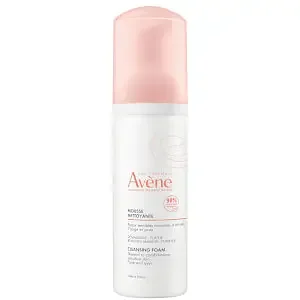
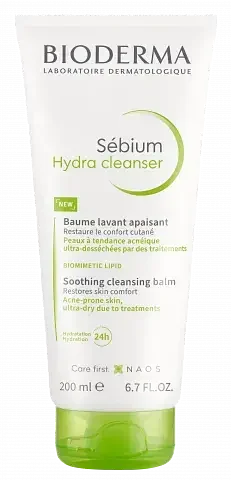
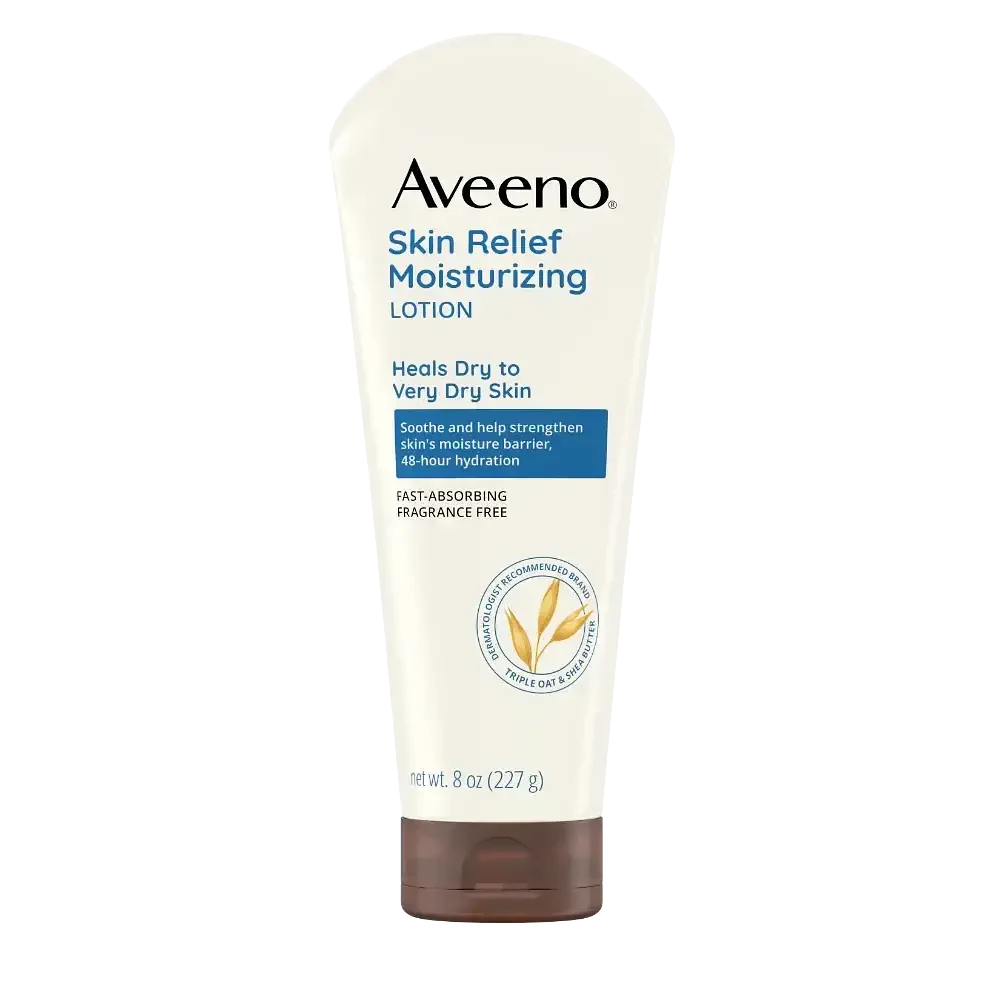

As an Amazon Associate, AllerNote earns from qualifying purchases.
Always scan the actual label before use — formulations change.
What is glycerin?
Glycerin (glycerine, glycerol) is a small sugar alcohol found in every plant and animal cell — and the single most common moisturising ingredient on earth. It's a humectant: it pulls water into the upper skin from the air and from deeper layers, without the greasy feel of heavier occlusives. At normal levels (3–10%) it's invisible on skin; only above ~20% does it turn sticky. Modern cosmetic glycerin is almost always plant-derived (and vegan).
Why it's almost never a problem
Glycerin is so well tolerated that it's a default recommendation for dry, cracked, and even raw post-procedure skin — there are essentially no reports of true glycerin allergy, and your body makes and uses it every day (it's FDA "GRAS").
The two real "issues" are mild and easily managed:
- It needs water to work. Like all humectants, apply it to damp skin and seal with a cream or oil — especially in dry air.
- Stickiness at high concentration — solved by choosing formulas where glycerin is mid-list.
A classic, safe DIY is glycerin + rose water (1:1) as a hydrating toner. (Glycerin + lemon, sometimes suggested for dark elbows, is fine for the glycerin part — but the lemon is acidic and photosensitising, so skip lemon before sun.)
How to use it well
- Look for it in the top 5 ingredients of a moisturiser.
- Apply on damp skin.
- Seal with an occlusive (cream/oil) in dry weather.
- Don't apply 100% glycerin neat — dilute it.
- Boost a hand/foot cream by stirring in a little glycerin for winter.
Alternatives
- If it feels sticky: butylene glycol or pentylene glycol (lighter).
- Longer-lasting hydration: stack with hyaluronic acid, panthenol, ceramides.
- Sensitive skin: glycerin already is the gentlest default — there's nothing more proven.
The bottom line
Glycerin is the workhorse humectant: cheap, effective, vegan, and about as close to allergy-free as skincare gets. Use it on damp skin, seal it in, and don't fear it — if a glycerin product reacts, look at the fragrance or preservative, not the glycerin.
Was this article helpful?
One tap tells us what to write more of. No account needed.
Is this ingredient in your products?
Scan any cosmetic product to check for Glycerin and 30+ other allergens instantly.