
Sodium PCA
A component of your own skin's moisture factor — a lightweight, biocompatible humectant with essentially no reported reactions
INCISodium PCA
- Category
- Humectant
- Risk level
- low
- In your own skin
- PCA makes up roughly 12% of the skin's natural moisturising factor (NMF)
- Efficient
- Holds water effectively, gram for gram, with a weightless, non-sticky feel
- Tolerability
- Among the most biocompatible humectants — allergy essentially nonexistent
- Concentration
- ~0.2–2% in most formulas
Look for these names on ingredient lists
This ingredient may appear under any of these names:
Commonly found in
Possible reactions
- Essentially no reported reactions
- Very rare brief stinging on broken skin
- No allergic contact dermatitis cases in the literature
- Suitable for sensitive and reactive skin
Top picks with Sodium PCA
Highly rated products that feature Sodium PCA in their ingredient list.
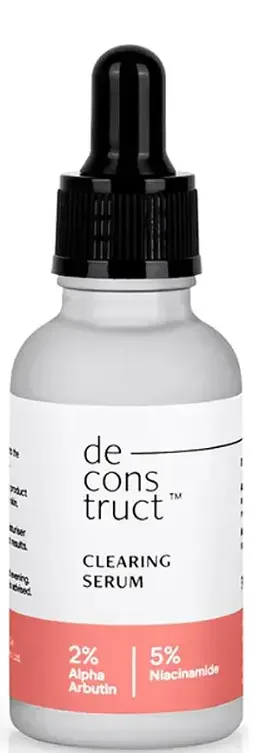
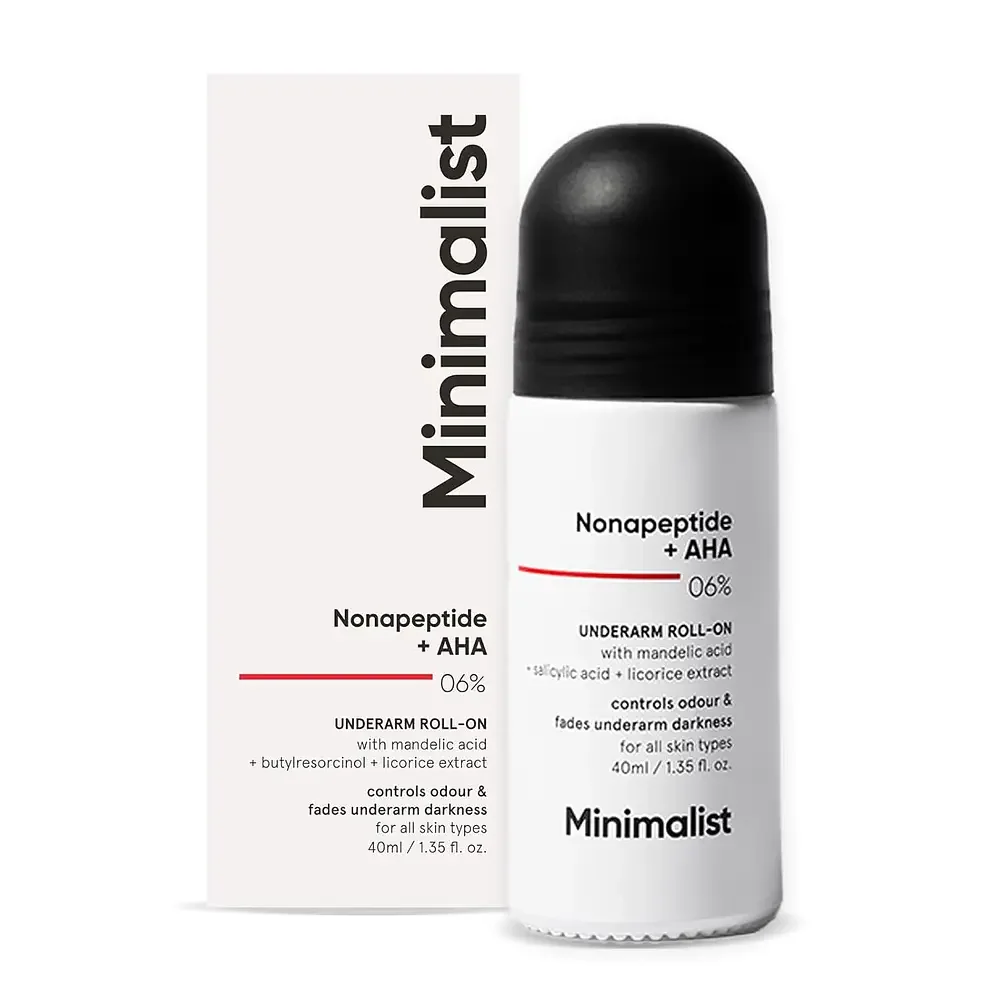
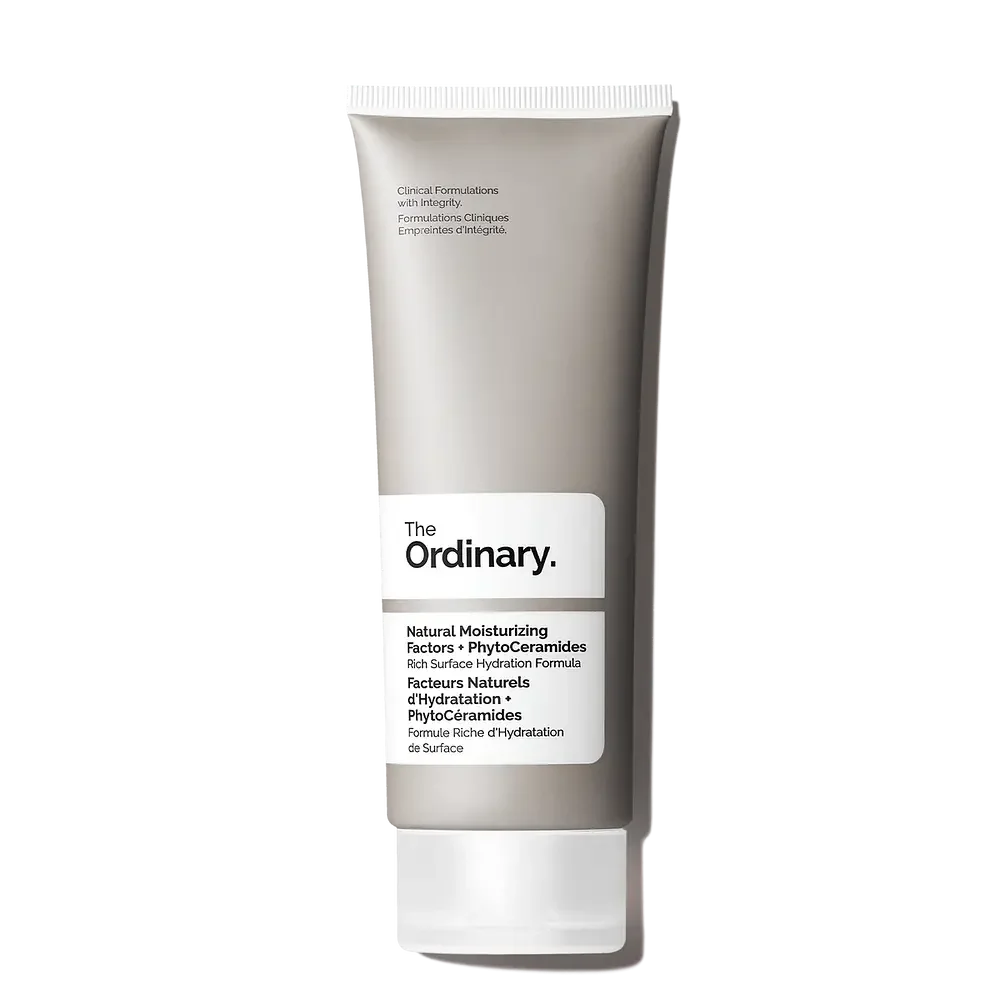
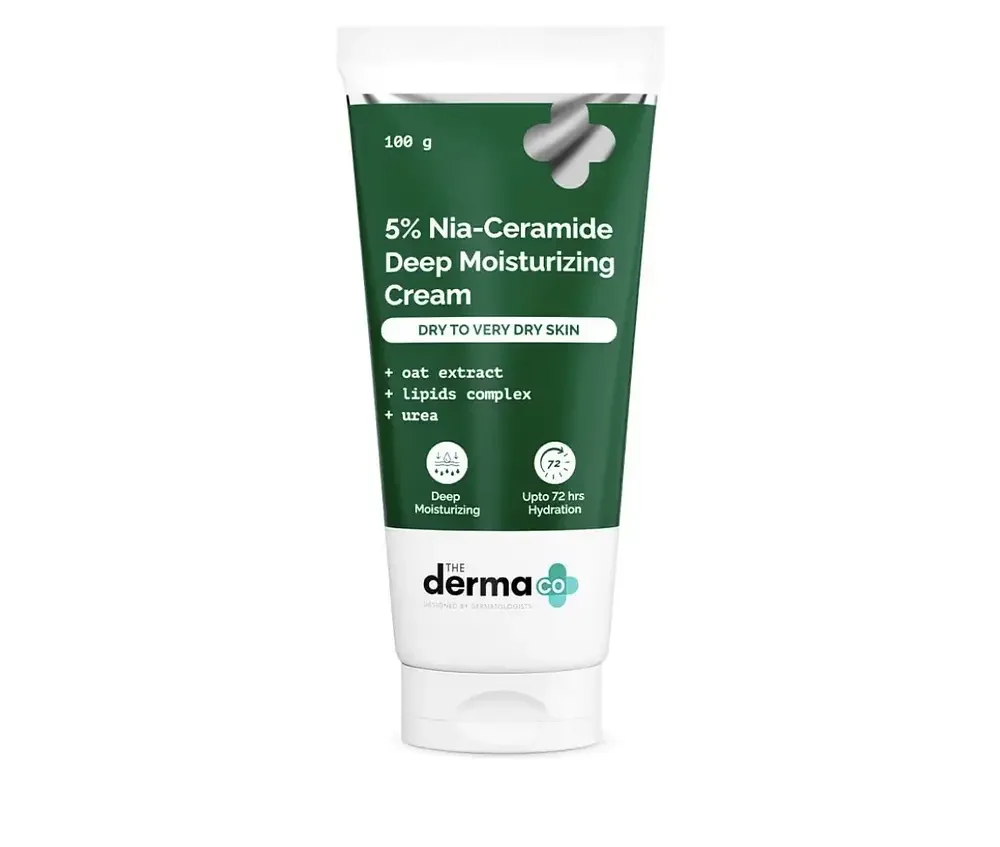
As an Amazon Associate, AllerNote earns from qualifying purchases.
Always scan the actual label before use — formulations change.
What is sodium PCA?
Sodium PCA is the sodium salt of pyrrolidone carboxylic acid — a small, water-loving molecule your skin already produces. It's part of the natural moisturising factor (NMF), the mix of amino acids, salts, and humectants that keeps healthy skin soft and supple (PCA is roughly 12% of NMF). Replenishing it topically is one of the gentlest ways to support hydration.
As a cosmetic ingredient it's weightless and non-sticky, so it suits lightweight toners, mists, and essences — often combined with hyaluronic acid and panthenol.
Why it almost never causes problems
Because your own skin makes it, sodium PCA is one of the most biocompatible ingredients in cosmetics. Safety reviews find no irritation, no sensitisation, and no health concerns at cosmetic levels, and there are essentially no allergic contact dermatitis cases in the literature.
The few complaints come from formula context, not the molecule: a toner with alcohol, fragrance, or a harsh preservative may irritate, but sodium PCA is the bystander. And like all humectants, it works best with a sealing layer on top in dry air.
How to use it well
- Look for it mid-list in toners and essences (~1–2%).
- Apply on damp skin.
- Seal with a cream/oil in dry weather; pair with a gel in humidity.
- Stack with other humectants (glycerin, HA, panthenol) — different depths, complementary.
- Safe to layer with actives — adds no irritation alongside retinol, vitamin C, niacinamide, or AHAs.
Alternatives
- Drier climates: glycerin and panthenol hold up better in low humidity.
- Barrier repair on top: ceramides + cholesterol.
- Budget: plain glycerin performs comparably; sodium PCA's edge is feel and layering, not raw hydration.
The bottom line
Sodium PCA is a weightless, skin-identical humectant with about the cleanest safety record going — ideal for sensitive skin and hot weather. If a product containing it bothers you, look to the fragrance or preservative; the sodium PCA isn't the problem.
Was this article helpful?
One tap tells us what to write more of. No account needed.
Is this ingredient in your products?
Scan any cosmetic product to check for Sodium PCA and 30+ other allergens instantly.