
Tranexamic Acid
A clotting medication repurposed as one of the most effective treatments for melasma — gentle topically, powerful in stubborn pigmentation
INCITranexamic Acid
- Category
- Active
- Risk level
- low
- Origin
- An established oral anti-bleeding medication, repurposed topically for pigmentation
- Mechanism
- Works upstream — blocks the UV/inflammation signal that tells melanocytes to make pigment
- Concentration
- 2–5% topically; oral (250–500 mg twice daily) only under dermatologist supervision
- Best for
- Melasma — including cases resistant to vitamin C, hydroquinone, and arbutin
Look for these names on ingredient lists
This ingredient may appear under any of these names:
Commonly found in
Possible reactions
- Very rare contact dermatitis (topical)
- No stinging at cosmetic concentrations
- Safe for sensitive and melanin-rich skin
- No sun sensitivity
- Topical pregnancy safety uncertain — ask your doctor; oral is avoided in clotting risk
Top picks with Tranexamic Acid
Highly rated products that feature Tranexamic Acid in their ingredient list.
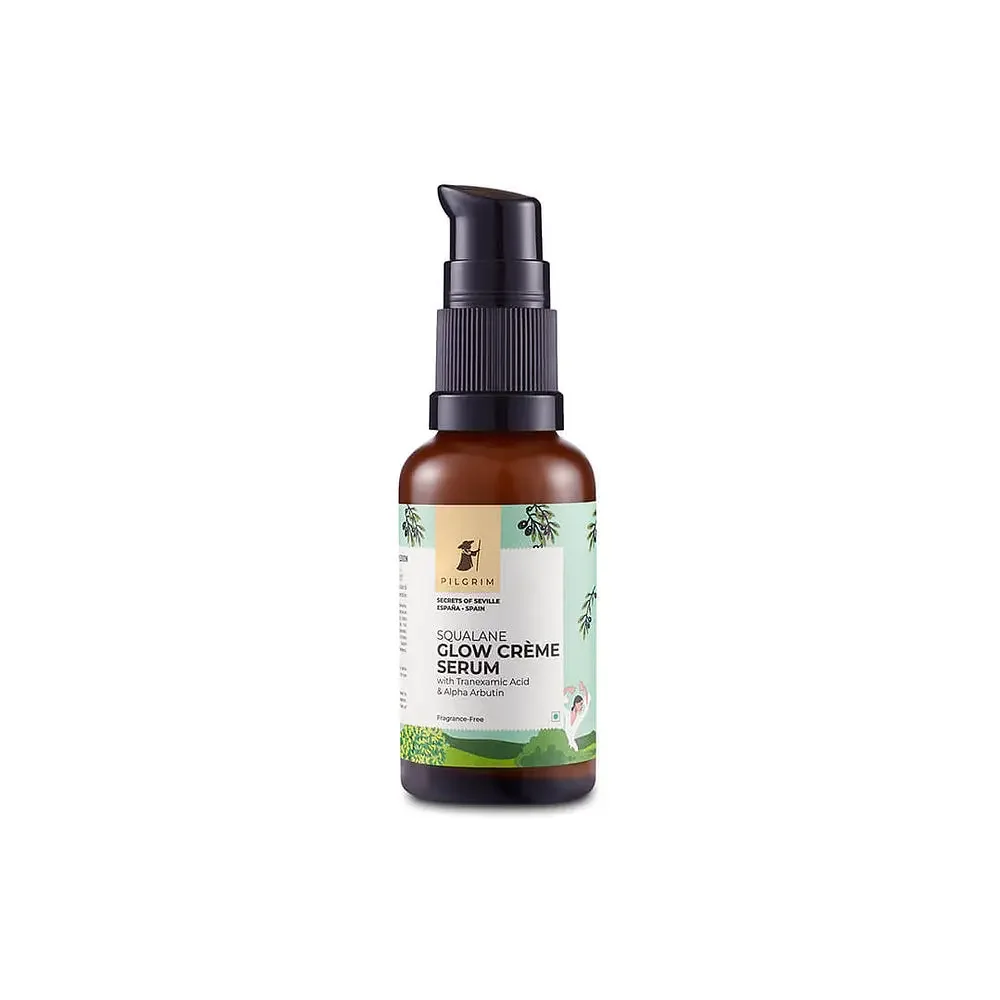
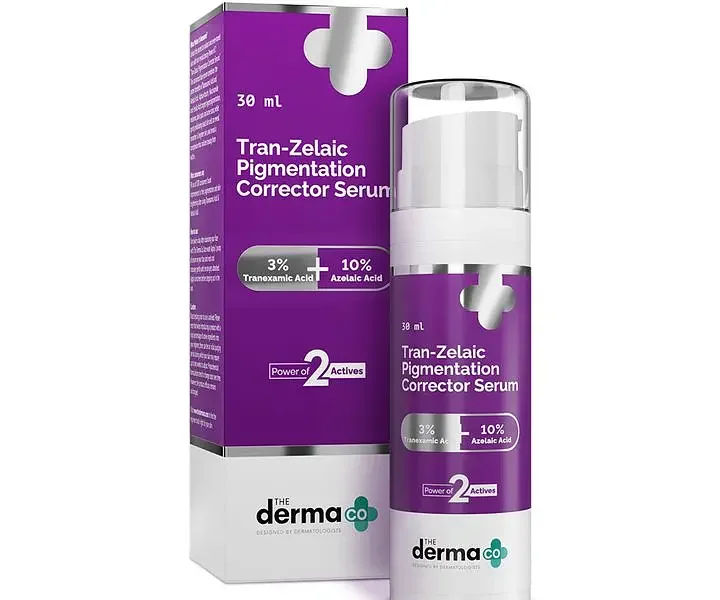
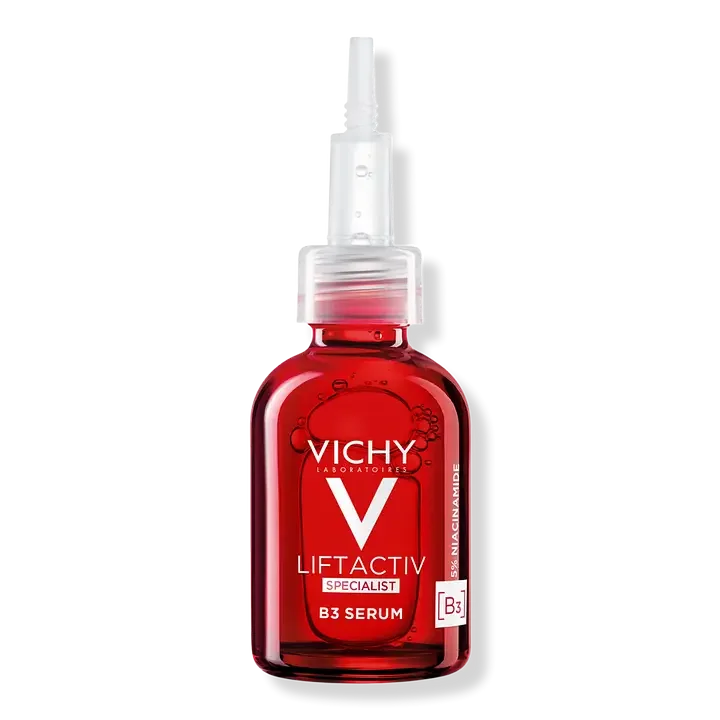
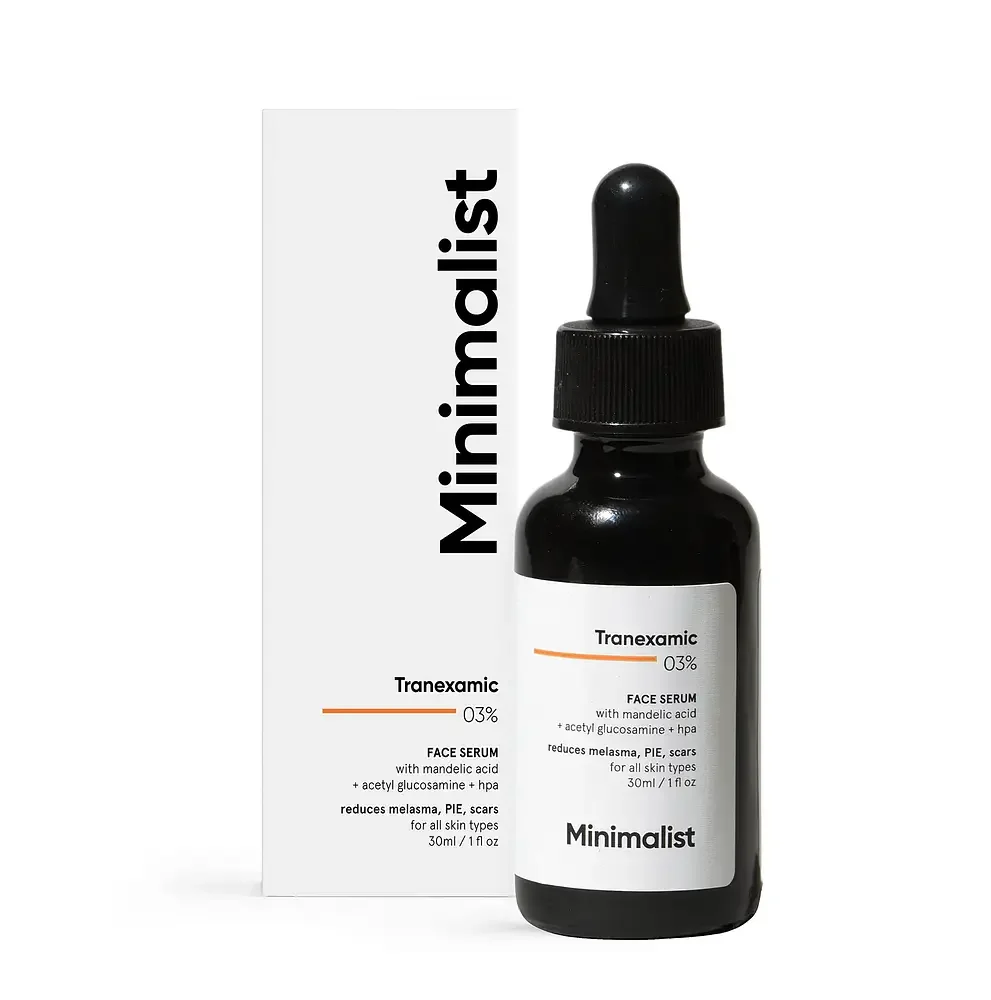
Always scan the actual label before use — formulations change.
What is tranexamic acid?
Tranexamic acid (TXA) is a synthetic derivative of the amino acid lysine, developed in the 1960s as an anti-bleeding medication — oral TXA is still used worldwide for heavy menstrual bleeding and surgical/trauma haemorrhage. Its skincare use is more recent: clinicians noticed that women taking oral TXA for bleeding sometimes saw their melasma fade, and follow-up studies confirmed that TXA — oral or topical — is one of the most effective treatments for melasma, a notoriously stubborn pigmentation.
Its mechanism is what sets it apart. Most brighteners inhibit tyrosinase at the pigment-production step; TXA works further upstream, blocking the signalling pathway by which UV and inflammation tell melanocytes to make more melanin. That's why it often works where tyrosinase inhibitors stall.
Why topical TXA is so well tolerated
At cosmetic strengths (2–5%), topical tranexamic acid is among the gentlest brighteners: water-soluble, neutral pH, non-exfoliating, no sun sensitivity, and contact dermatitis is very rare.
The oral form is different and needs medical supervision because of clotting considerations — it's avoided in people with a history of thrombosis or clotting disorders. Topical TXA doesn't carry those systemic risks, because absorption through intact skin is minimal. A few notes:
- Pregnancy: topical is likely lower-risk than oral, but evidence is limited — ask your doctor.
- Combinations: synergistic with niacinamide, alpha arbutin, and vitamin C (many pigmentation serums blend several).
- Sunscreen: TXA's benefit drops sharply without daily SPF.
How to use it well
- Start with a 3% topical serum — usually well tolerated from day one.
- Twice daily, for consistent pigmentation control.
- Pair with niacinamide, alpha arbutin, or vitamin C.
- Daily SPF — essential.
- Consider oral TXA for stubborn melasma — only under a dermatologist.
Alternatives
- Clearer pregnancy safety: azelaic acid, alpha arbutin.
- Gentle daily brightening: alpha arbutin, niacinamide.
- Acne-related pigmentation: azelaic acid (treats both).
- Fast, dramatic (with risk): prescription hydroquinone.
The bottom line
Tranexamic acid is a repurposed medication that turned out to be a standout for melasma — gentle and low-allergy as a topical, more powerful (and supervised) as an oral. The blood-thinning caution applies to the pill, not your serum; pair topical TXA with sunscreen and it's one of the safest effective options for stubborn pigmentation.
Was this article helpful?
One tap tells us what to write more of. No account needed.
Is this ingredient in your products?
Scan any cosmetic product to check for Tranexamic Acid and 30+ other allergens instantly.