
Homosalate
A common UVB filter under fresh regulatory scrutiny — the EU has cut its limit over endocrine concerns, and it's a salicylate
INCIHomosalate
- Category
- Sunscreen / UV Filter
- Risk level
- medium
- What it covers
- UVB only (~295–315 nm) — no UVA protection, so always paired with a UVA filter
- FDA status
- Absorption above the threshold that triggers more testing; FDA considering lowering the US cap from 15% to 10%
- EU status
- Restricted to 7.34% (down from 10%) over endocrine concerns (SCCS, 2021)
- Salicylate
- A salicylate ester — patch test if you have severe aspirin/salicylate allergy
Look for these names on ingredient lists
This ingredient may appear under any of these names:
Commonly found in
Possible reactions
- Rare contact dermatitis
- Can sting near the eyes
- Possible reaction in salicylate/aspirin-sensitive people
- Systemic absorption (under safety review, not proven harmful)
Top picks without Homosalate
Highly rated products whose ingredient lists don't include Homosalate.
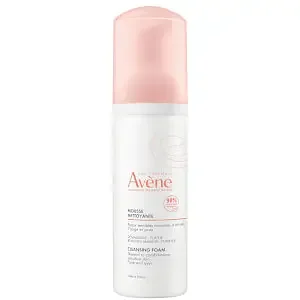
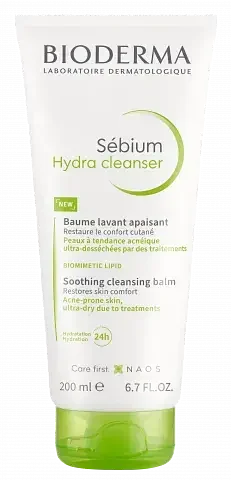
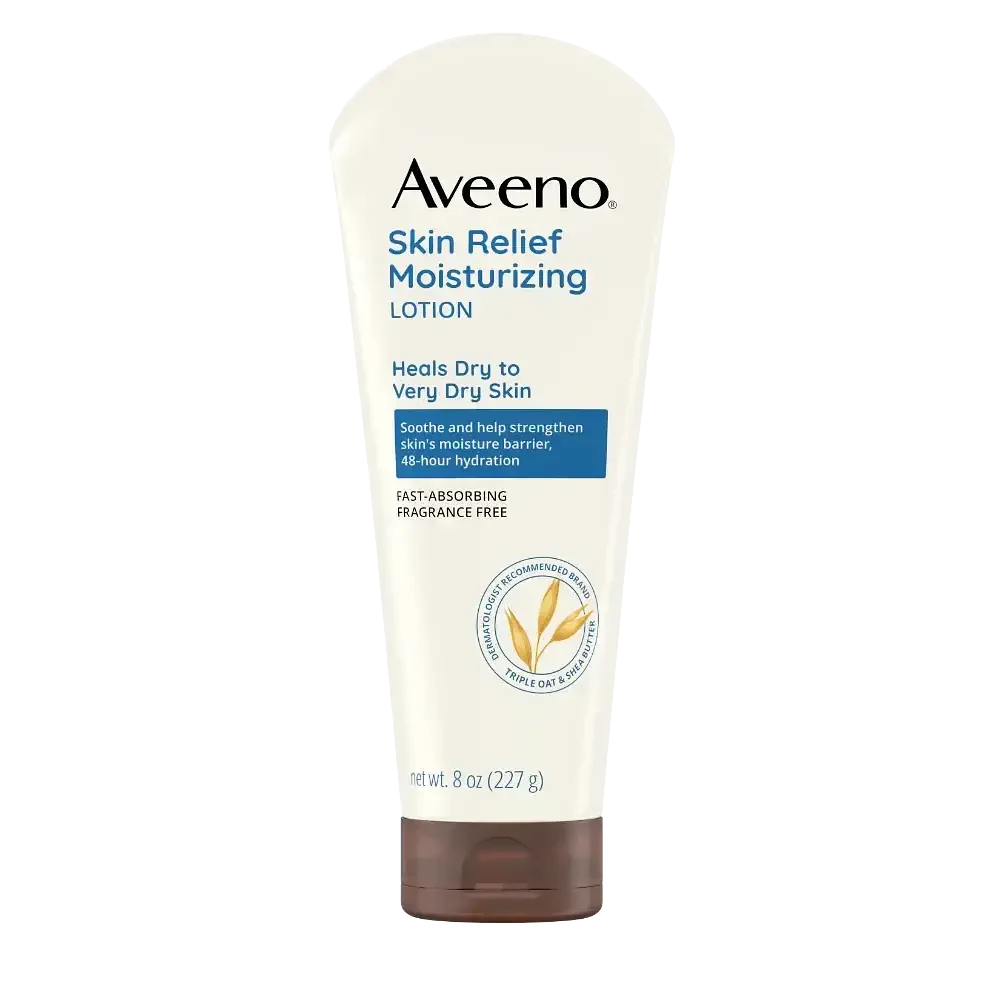

As an Amazon Associate, AllerNote earns from qualifying purchases.
Always scan the actual label before use — formulations change.
Scan a product for this concern
What is homosalate?
Homosalate is a chemical UV filter that absorbs UVB (≈295–315 nm) — the wavelengths behind sunburn and most skin cancer. It's a salicylate ester (chemically related to salicylic acid and aspirin), and it's been a workhorse UVB filter in American-style sunscreens since the 1960s. It does not protect against UVA, so it's always combined with a UVA filter like avobenzone. Being oil-soluble and film-forming, it's water-resistant and cosmetically elegant (no white cast).
What makes homosalate worth a closer look isn't allergy — contact dermatitis is rare — but recent regulatory scrutiny.
Why it's under review
- FDA absorption. A 2019–2020 FDA study found homosalate is absorbed into the bloodstream above the threshold at which the agency requires additional safety testing. As with other chemical filters, that's a "need more data" flag, not proof of harm — and the FDA has not told people to stop using sunscreen. The FDA is weighing lowering the US cap from 15% to 10%.
- EU restriction. The EU's Scientific Committee on Consumer Safety concluded (2021) that homosalate is safe only up to 7.34% (down from 10%), citing endocrine-disruption concerns at higher levels.
- Salicylate family. Severe aspirin/salicylate allergy → patch test.
The honest summary: it remains approved and is used safely within limits, especially as one filter among several. If you'd rather avoid the uncertainty — or you use sunscreen heavily every day — mineral or newer-filter options exist.
How to use it well
- Confirm a UVA filter is present (avobenzone or Tinosorb) — homosalate alone is UVB-only.
- Don't pile on extra salicylates (e.g. a salicylic-acid product) if you're sensitive.
- Reapply every 2–3 hours, apply generously.
- Prefer alternatives if pregnant, choosing for children, or salicylate-allergic.
Alternatives
- Broader, better-reviewed filters (EU/Asia): Tinosorb S, Uvinul A Plus.
- Pregnancy / children / sensitive skin: mineral sunscreens (zinc oxide, titanium dioxide).
- Salicylate allergy: mineral or Tinosorb-based formulas (avoid homosalate and octisalate).
The bottom line
Homosalate is an effective, elegant UVB filter that's having a regulatory moment — absorbed more than once assumed, EU-capped at 7.34%, and a salicylate. None of that means "stop wearing sunscreen"; it means that if you use SPF heavily, are pregnant, or are salicylate-sensitive, a mineral or newer-filter sunscreen is a reasonable swap. Always make sure a UVA filter rides alongside it.
Was this article helpful?
One tap tells us what to write more of. No account needed.
Is this ingredient in your products?
Scan any cosmetic product to check for Homosalate and 30+ other allergens instantly.
References & further reading
- Sunscreen active absorption (FDA study, JAMA 2020) JAMA / FDA
- SCCS opinion on homosalate (7.34% limit) European Commission (SCCS)
- Sunscreen UV filters — overview DermNet