
Magnesium Ascorbyl Phosphate
A gentle, hydrating, neutral-pH vitamin C derivative — ideal for sensitive skin and dry climates
INCIMagnesium Ascorbyl Phosphate
- Category
- Antioxidant
- Risk level
- low
- Stable at neutral pH
- Works around pH 6–7 — no acidic burn
- Slightly hydrating
- The magnesium form has a softer, mildly humectant feel — nice in dry climates
- Tolerability
- One of the gentlest vitamin C forms; allergy essentially unheard of
- Trade-off
- Lower potency gram-for-gram than pure ascorbic acid (slower, gentler results)
Look for these names on ingredient lists
This ingredient may appear under any of these names:
Commonly found in
Possible reactions
- No documented allergic reactions
- No stinging at cosmetic concentrations
- Stable at neutral pH
- Suitable for sensitive and reactive skin
- Pregnancy-safe
Top picks with Magnesium Ascorbyl Phosphate
Highly rated products that feature Magnesium Ascorbyl Phosphate in their ingredient list.
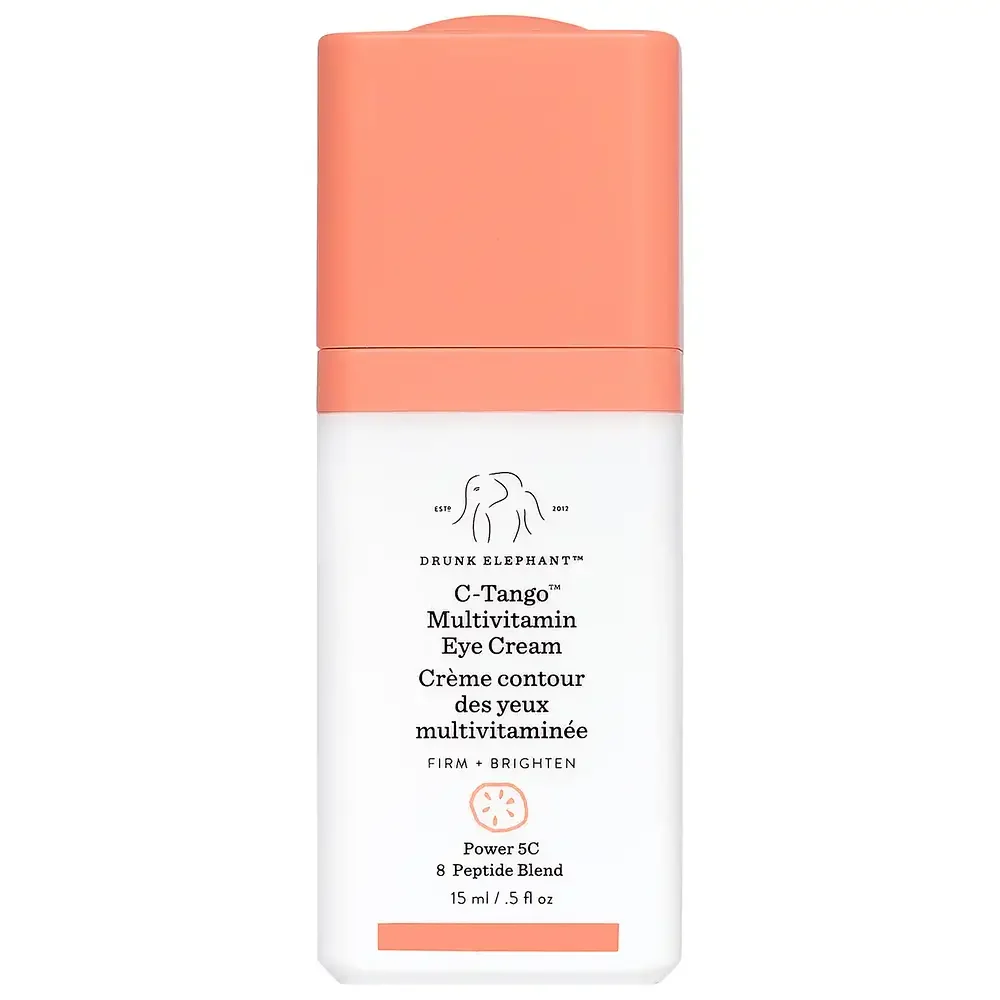
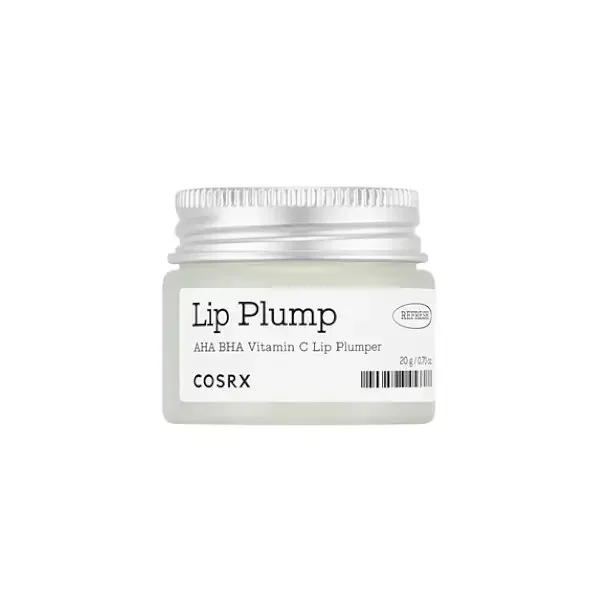
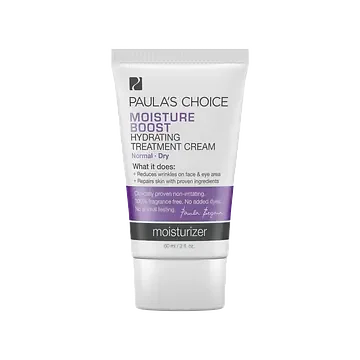
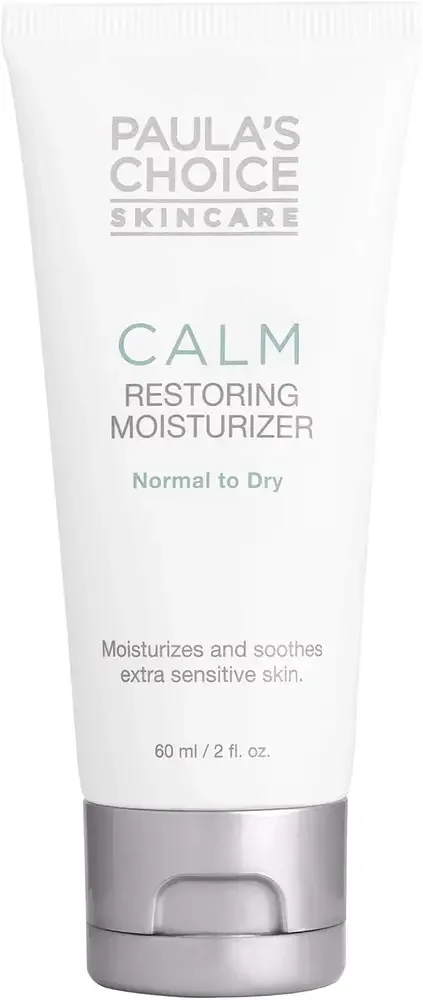
Always scan the actual label before use — formulations change.
What is magnesium ascorbyl phosphate?
Magnesium ascorbyl phosphate (MAP) is a water-soluble vitamin C derivative — ascorbic acid bonded to a phosphate group with a magnesium counter-ion. Like its cousin SAP, it's stable at neutral pH and avoids the sting of pure L-ascorbic acid; skin enzymes then convert it to active vitamin C.
Its distinguishing trait is a slightly more hydrating feel — the magnesium form is softer and mildly humectant, which makes it popular in sensitive-skin serums and products for dry climates.
Why it's so well tolerated
Working at near-neutral pH (≈6–7), MAP sidesteps the irritation pure ascorbic acid causes. It's rated safe at cosmetic levels (1–10%, often 3%), and true allergic contact dermatitis is essentially unheard of. As with SAP, the trade-off is lower potency gram-for-gram — the conversion to active vitamin C is partial, so brightening is gentler and slower. For sensitive, dry, or rosacea-prone skin, that's a good deal.
It's especially comfortable in dry winters, where high-strength L-ascorbic acid can feel dehydrating.
How to use it well
- A ~3% formula is a sensible baseline.
- Morning or evening — stable either way; morning pairs with SPF.
- Layer with humectants (HA, glycerin, panthenol) — great winter stack.
- Choose it over L-ascorbic acid if pure vitamin C stings you.
- Be consistent for 8–12 weeks.
Alternatives
- Maximum potency: L-ascorbic acid 10–20% (if tolerated).
- Acne-prone skin: SAP (slightly better acne evidence).
- Oil-soluble, deeper: THD ascorbate.
- Non-vitamin-C brightening: niacinamide, alpha arbutin, tranexamic acid.
The bottom line
Magnesium ascorbyl phosphate is the gentle, hydrating vitamin C — neutral pH, no sting, very low allergy, and kind to dry and sensitive skin. Accept gentler, slower results than pure vitamin C, pair it with sunscreen, and it's one of the easiest ways to get vitamin C benefits without irritation.
Was this article helpful?
One tap tells us what to write more of. No account needed.
Is this ingredient in your products?
Scan any cosmetic product to check for Magnesium Ascorbyl Phosphate and 30+ other allergens instantly.