
Malic Acid
A mid-size apple-derived AHA — usually a supporting acid and pH adjuster in multi-acid blends rather than a star ingredient
INCIMalic Acid
- Category
- Exfoliant
- Risk level
- low
- What it is
- The tart AHA in apples and grapes; a mid-size molecule (bigger than glycolic, smaller than mandelic)
- Usual role
- A supporting acid in multi-acid blends and a pH adjuster — rarely used alone
- Tolerability
- Low irritation and low allergy at the small percentages typically used
- Reaction type
- Mild AHA irritation/sun sensitivity, not allergy
Look for these names on ingredient lists
This ingredient may appear under any of these names:
Commonly found in
Possible reactions
- Mild tingling at higher strengths
- Occasional dryness
- Low PIH risk on melanin-rich skin
- Mild sun sensitivity
- Very rare contact dermatitis
Top picks with Malic Acid
Highly rated products that feature Malic Acid in their ingredient list.


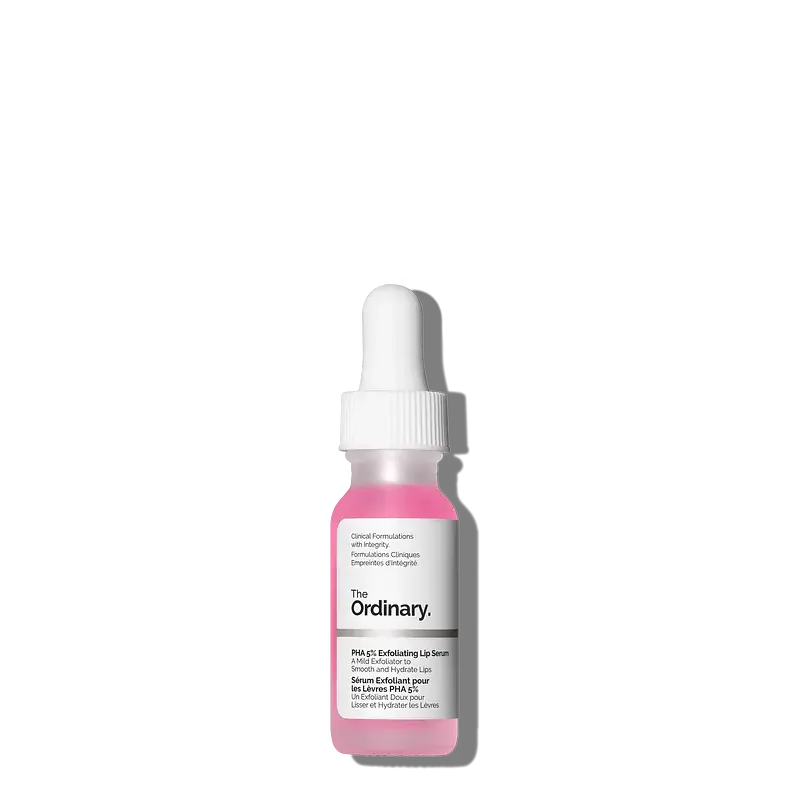
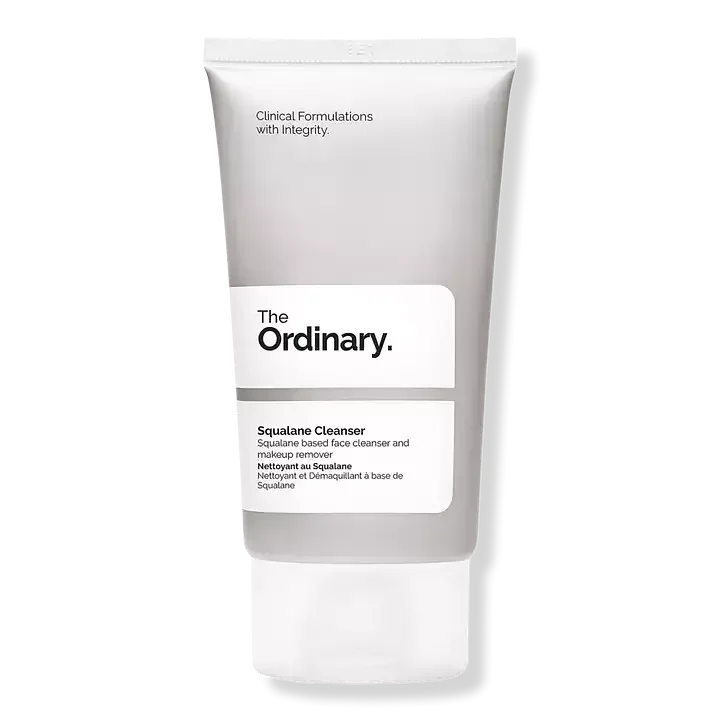
Always scan the actual label before use — formulations change.
What is malic acid?
Malic acid is an alpha hydroxy acid found naturally in apples, grapes, and many fruits — it's the tart note in a green apple. Cosmetic malic acid is synthesised, and in skincare it plays two modest roles: a mild chemical exfoliant for those who want gentler action than glycolic, and a pH adjuster in multi-acid and vitamin C formulas, where it helps hold the acidity in the range those ingredients need.
It's rarely the headline. Most often malic acid is a supporting acid in a blend (with glycolic, lactic, or tartaric acid), the idea being that different molecular sizes exfoliate at slightly different depths for broader, gentler results than one acid at high strength.
Why it's almost never a problem
Malic acid's molecule is larger than glycolic but smaller than mandelic — squarely "moderate" for tolerance — and in practice it's used at small percentages within blends (often under 2%). At those levels, irritation and sun sensitivity are mild, and true contact allergy is uncommon. Its effects are ordinary AHA irritation/photosensitivity, not allergy.
Standard AHA cautions still apply: daily SPF, don't stack it with a separate strong acid on the same night, and pair with niacinamide or ceramides to support the barrier.
How to use it well
- Look for it inside multi-acid blends rather than as a solo product.
- Treat the blend as one exfoliant — don't add another strong acid on top.
- At night, with daily SPF.
- Support the barrier with niacinamide/ceramides.
Alternatives
- Stronger: glycolic or salicylic acid.
- Gentler: mandelic acid or PHAs.
- Brightening without exfoliation: niacinamide, vitamin C.
The bottom line
Malic acid is a low-key, mid-size fruit AHA that mostly works behind the scenes — rounding out multi-acid blends and adjusting pH — rather than starring on its own. At the levels it's used, it's gentle, low-allergy, and asks only for the usual AHA sunscreen habit.
Was this article helpful?
One tap tells us what to write more of. No account needed.
Is this ingredient in your products?
Scan any cosmetic product to check for Malic Acid and 30+ other allergens instantly.
References & further reading
- Alpha hydroxy acids — overview DermNet
- AHAs and skin — review PubMed