
Butyrospermum Parkii Butter (Shea Butter)
The rich, near-ubiquitous plant butter behind most moisturisers — very low allergy risk, and safe for almost everyone despite being a tree "nut"
INCIButyrospermum Parkii Butter
- Category
- Emollient
- Risk level
- low
- What it is
- Fat pressed from the nut of the African shea tree (Vitellaria paradoxa / Butyrospermum parkii)
- What it does
- Emollient and occlusive — softens skin and slows water loss in creams, balms, and body butters
- Allergy risk
- Very low — true allergic contact dermatitis to shea butter is uncommon
- Tree-nut concern
- Refined shea butter contains only negligible nut protein and is generally considered safe even for tree-nut allergy; patch test if your allergy is severe
- Comedogenicity
- Rated low-to-moderate — rich enough to clog pores in very acne-prone skin
Look for these names on ingredient lists
This ingredient may appear under any of these names:
Commonly found in
Possible reactions
- Contact allergy is uncommon
- Possible clogged pores / breakouts in very acne-prone skin
- A heavy or greasy feel some dislike
- Very rare reactions in severe tree-nut allergy (protein content is negligible)
Top picks with Butyrospermum Parkii Butter (Shea Butter)
Highly rated products that feature Butyrospermum Parkii Butter (Shea Butter) in their ingredient list.
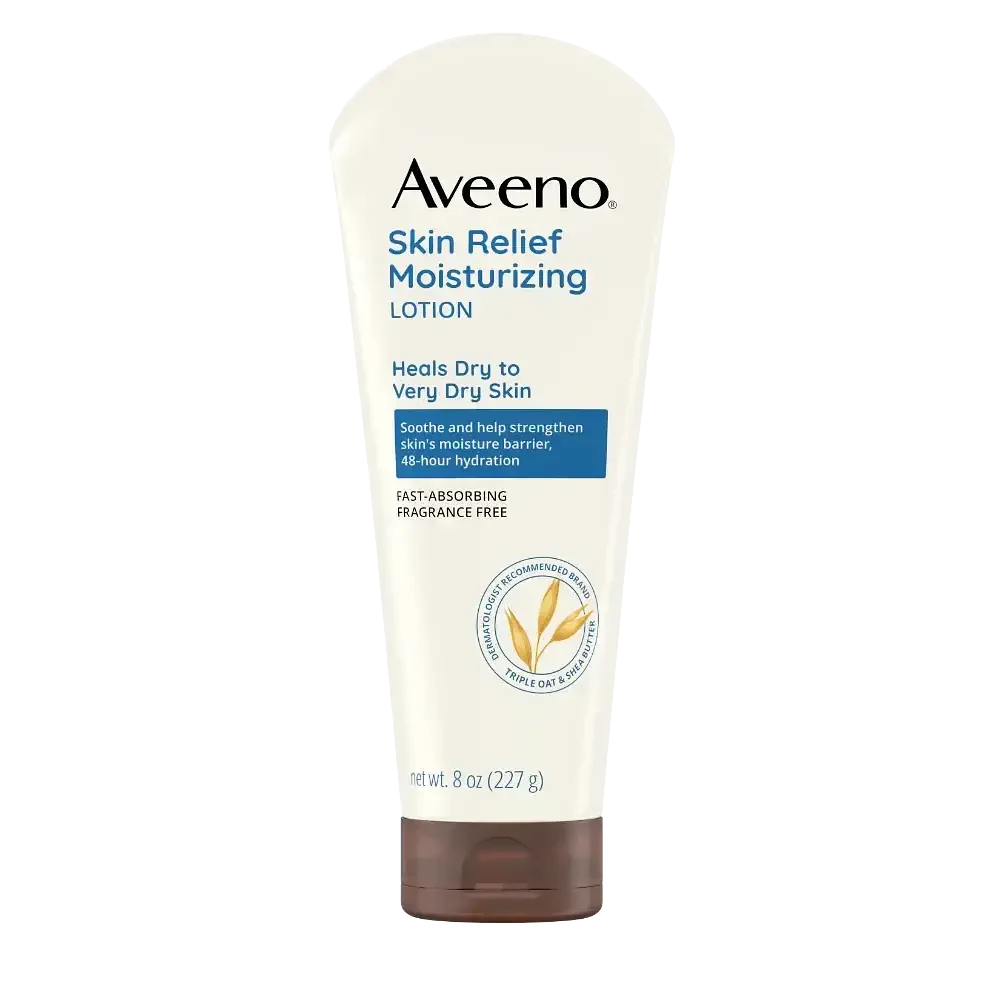

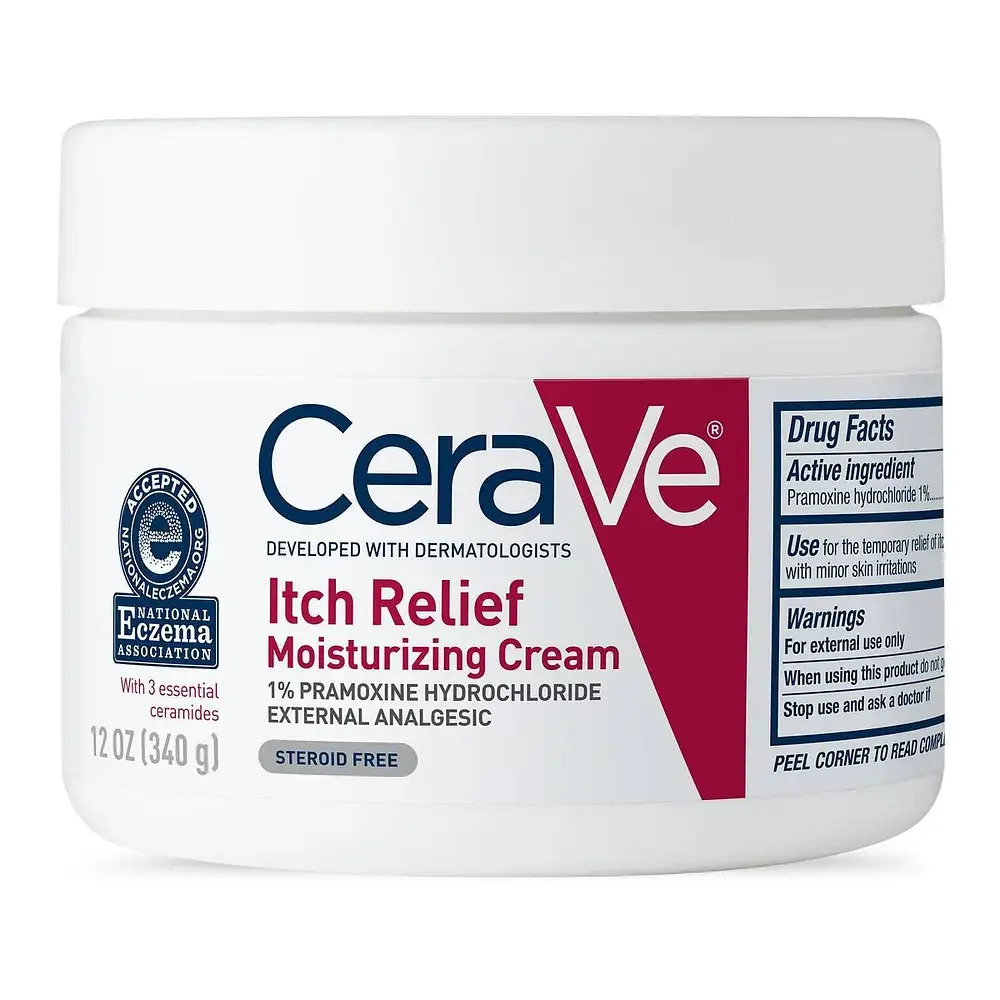

As an Amazon Associate, AllerNote earns from qualifying purchases.
Always scan the actual label before use — formulations change.
What is Butyrospermum Parkii Butter?
Butyrospermum Parkii Butter is the INCI (label) name for shea butter — the rich, off-white fat pressed from the nut of the African shea tree (Vitellaria paradoxa, historically classified as Butyrospermum parkii). If you've ever copied an ingredient list off a body butter or lip balm and wondered what this mouthful means, it's simply shea butter written the way regulators require.
It's a structural workhorse emollient: soft and waxy at skin temperature, packed with fatty acids (mostly oleic and stearic) plus a naturally high fraction of unsaponifiables — triterpenes and vitamin E — that give it its cushiony, barrier-friendly feel. A large share of moisturisers, balms, body butters, and conditioners lean on it to soften skin and slow water loss.
Why it rarely causes problems
Shea butter is rarely allergenic — true allergic contact dermatitis to it is uncommon, and dermatologists frequently recommend it for dry and eczema-prone skin. The occasional issues are:
- Richness / comedogenicity — it's occlusive and rated low-to-moderate on the comedogenic scale, so heavy shea-heavy creams may contribute to breakouts in very acne-prone skin.
- A heavy or greasy feel some people simply dislike in a daytime product.
When someone reacts to a shea-containing cream, the culprit is usually a fragrance or preservative in the same formula — not the shea butter itself.
Shea comes from a tree nut, so it's a fair question if you're nut-allergic. But the proteins that trigger tree-nut allergy are largely removed during processing — refined shea butter contains only trace, often undetectable amounts, and is widely considered safe even for people with tree-nut allergies. The edge cases are unrefined "raw" shea and severe allergies: if that's you, patch test a small amount first or check with your allergist.
How to handle it
- Don't fear it — for dry, sensitive, or eczema-prone skin it's helpful, not harmful.
- Acne-prone? If rich creams clog you, choose lighter gel/fluid textures instead.
- Severe tree-nut allergy? Patch test on your inner arm first, or ask your allergist — the protein risk is very low but not always zero for raw shea.
- Reacting to a shea cream? Shea is an unlikely culprit — check the fragrance and preservatives first; patch test to confirm.
Alternatives (if you genuinely react or find it too rich)
- Acne-prone skin: gel moisturisers thickened with glycerin, hyaluronic acid, or carbomer instead of butters.
- Want a lighter emollient: squalane or dimethicone-based textures give slip without the heaviness.
- Confirmed shea sensitivity: other plant butters or oils (though cross-reactivity between them is uncommon) chosen against your own patch-test results.
The bottom line
Butyrospermum Parkii Butter is just shea butter — a rich, near-ubiquitous plant emollient that softens skin and supports the barrier. Allergy to it is uncommon, and despite coming from a tree nut it's generally safe even for nut-allergic skin because the allergenic proteins are largely refined out. The realistic downsides are richness for acne-prone skin and the occasional severe-allergy edge case — so if in doubt, patch test.
Was this article helpful?
One tap tells us what to write more of. No account needed.
Is this ingredient in your products?
Scan any cosmetic product to check for Butyrospermum Parkii Butter (Shea Butter) and 30+ other allergens instantly.